


Remote Construction Sites: 6 Essential ATEX Devices for Safer Communication
Remote Construction Sites require reliable ATEX devices to ensure safe communication, reduce operational risks, and maintain productivity in hazardous environments.
Introduction
Construction sites located in remote or hazardous areas face unique challenges—limited communication, harsh weather conditions, safety risks, and equipment reliability issues. When such sites involve the risk of explosive gases, dust, or flammable materials, using certified devices becomes a necessity.
This is where ATEX devices for remote construction sites play a vital role.
ATEX-certified phones and tablets ensure that workers stay connected, operations remain safe, and productivity continues—even under extreme environmental conditions. From oilfield projects to infrastructure works in high-risk zones, these devices are revolutionizing the way remote construction projects operate.
1. Understanding ATEX Devices
ATEX devices are explosion-proof communication and computing tools designed to function safely in potentially explosive atmospheres. They comply with the European Union’s ATEX Directive (2014/34/EU) and ATEX standards.
These include:
-
Rugged tablets
-
Explosion-proof cameras
-
Industrial sensors and monitoring systems
At remote construction sites, these devices ensure secure and continuous communication without risking ignition or accidents.
2. Why Remote Construction Sites Need ATEX Devices
Remote construction sites often deal with:
-
Limited network coverage
-
Extreme temperatures
-
High humidity or dust
-
Explosive or flammable materials (fuels, gases, solvents)
In such environments, regular devices may fail or pose a safety hazard. ATEX devices for remote construction sites overcome these issues by providing safe, rugged, and reliable performance even in the toughest conditions.
3. Rugged Design and Durability
Durability is one of the core strengths of ATEX-certified equipment.
These devices are built with:
-
Shockproof casing
-
Corrosion resistance
-
IP68+ water and dust protection
-
Extended battery life
Such durability ensures uninterrupted operations at remote construction sites, where repair facilities are not easily available. In short, ATEX devices for remote construction sites help reduce downtime and maintenance costs.
4. Seamless Communication in Remote Areas
Effective communication is the backbone of any construction project. In remote areas, network reliability can be a challenge.
ATEX smartphones and tablets support:
-
4G LTE and satellite connectivity
-
Dual SIM capability
-
Push-to-talk (PTT) communication
-
Wi-Fi and Bluetooth integration
This ensures that teams remain connected even miles away from urban infrastructure. With ATEX devices for remote construction sites, supervisors can instantly coordinate, send updates, and ensure worker safety in real time.
5. Worker Safety and Compliance
Safety is the top priority on any remote site. ATEX devices are designed to prevent ignition from electrical sparks or overheating.
They meet stringent safety certifications like:
-
ATEX Zone 1 & Zone 2 compliance
-
IP and MIL-STD-810G standards
Using ATEX devices for remote construction sites ensures compliance with international safety laws, reducing the risk of accidents and legal penalties.
6. Integration with Smart Sensors and IoT
Modern ATEX tablets and phones are not just communication tools—they act as intelligent safety hubs.
When connected to IoT-based smart sensors, they monitor:
-
Gas leaks
-
Air quality
-
Worker location
-
Equipment health
This real-time data helps detect potential hazards before incidents occur. It’s another reason why ATEX devices for remote construction sites are critical to modern industrial safety systems.
7. Data Management and Documentation
Construction supervisors often need to capture on-site data, take pictures, record videos, or manage project files.
ATEX tablets offer:
-
Large internal storage
-
Cloud integration
-
Document editing and data sharing
-
Secure encryption features
This helps teams manage data without using unsafe consumer electronics. With ATEX devices for remote construction sites, data is collected and shared efficiently, without compromising safety.
8. Enhanced Productivity
Remote construction teams often struggle with delays due to communication gaps, unplanned maintenance, or safety concerns.
By using ATEX-certified equipment, project managers can:
-
Monitor work progress remotely
-
Send instant alerts
-
Track worker attendance
-
Share instructions in real time
These features significantly boost productivity and coordination, ensuring that ATEX devices for remote construction sites become a crucial investment.
9. Cost Efficiency Over Time
Initially, ATEX-certified equipment might seem expensive compared to regular devices. However, their long-term benefits far outweigh the cost.
They help:
-
Reduce equipment failure
-
Minimize maintenance expenses
-
Prevent costly safety incidents
This means ATEX devices for remote construction sites deliver high ROI by lowering operational and downtime-related expenses.
10. Use Cases of ATEX Devices in Remote Construction Sites
Here are a few examples of where ATEX-certified devices are proving invaluable:
-
Offshore oil and gas platform construction
-
Pipeline development in desert regions
-
Wind turbine or solar farm installations
-
Bridge and tunnel construction in hazardous zones
-
Power grid and substation maintenance
Each of these environments requires ATEX devices for remote construction sites to maintain both safety and productivity standards.
11. Real-Time Monitoring and Control
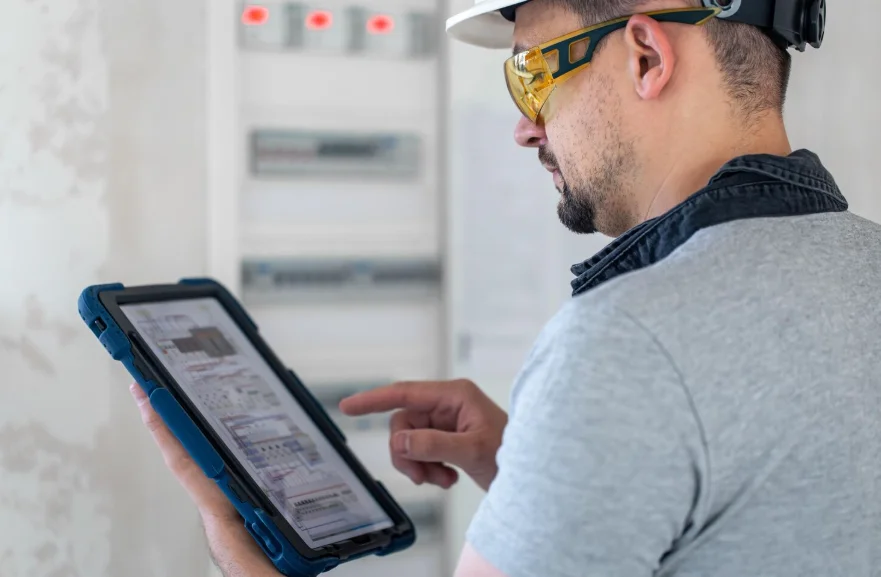
By integrating with control systems, ATEX tablets allow engineers to view real-time project updates. Whether it’s structural progress or environmental safety parameters, data is available instantly.
This transparency ensures efficient decision-making—one more way ATEX devices for remote construction sites transform operations.
12. The Future of Construction Safety
As industries move towards automation and IoT, ATEX-certified mobile technology will play an even greater role.
AI-driven analytics, predictive maintenance, and smart monitoring will make ATEX devices for remote construction sites indispensable tools for the next generation of industrial projects.
Conclusion
Remote construction projects demand advanced, reliable, and safe technology. ATEX devices for remote construction sites deliver exactly that—ensuring secure communication, enhanced productivity, and cost efficiency in the most challenging conditions.
By combining durability, compliance, and smart connectivity, these devices not only safeguard workers but also streamline operations for long-term success.
In short, ATEX devices for remote construction sites redefine how industries work safely, smartly, and efficiently—no matter how remote the project is.
FAQs: ATEX Devices for Remote Construction Sites
1. What are ATEX devices?
ATEX devices are explosion-proof phones, tablets, and tools certified for use in hazardous areas.
2. Why are they needed in remote construction sites?
They ensure safe communication, durability, and compliance where regular devices may fail.
3. How do ATEX devices enhance safety?
They prevent ignition, monitor hazards, and alert workers to potential risks.
4. Can ATEX phones work without strong signals?
Yes, many models support satellite and long-range communication systems.
5. Are ATEX tablets waterproof and dustproof?
Yes, most are IP68-rated and built for harsh outdoor environments.
6. What certifications should I look for?
ATEX Zone 1/2, ATEX, and MIL-STD-810G are key safety certifications.
7. Can ATEX devices connect to IoT systems?
Yes, they integrate with IoT sensors for real-time hazard monitoring.
8. How do these devices improve productivity?
They reduce communication delays and support remote project management.
9. Are ATEX devices cost-effective?
Yes, their durability and safety reduce maintenance and downtime costs.
10. Where can I use ATEX devices?
In oilfields, offshore rigs, mining zones, and other high-risk construction environments.
11. Do ATEX phones have GPS tracking?
Yes, most models include GPS for location-based worker monitoring.
12. Can I take photos or videos using ATEX devices?
Yes, they feature explosion-proof cameras for safe on-site documentation.
13. Are ATEX devices heavy or bulky?
No, modern models are lightweight yet rugged.
14. How long do ATEX device batteries last?
They are designed for long battery life, ideal for remote shifts.
15. Why should industries invest in ATEX devices for remote construction sites?
Because they ensure safety, improve efficiency, and prevent costly downtime.
Industrial Applications & Real-World Use Cases
In hazardous industrial environments such as oil refineries, petrochemical plants, offshore platforms, and mining operations, reliable communication is a critical safety requirement. Workers in Zone 1 and Zone 21 classified areas face constant exposure to flammable gases, vapors, and combustible dust. Any electronic device used must be intrinsically safe to prevent ignition.
Oil & Gas Operations
Field engineers on drilling rigs, well pads, and production platforms rely on ATEX certified devices for work order management, real-time communication with control rooms, digital permit-to-work systems, and photographic documentation. Our devices are deployed across ADNOC, Saudi Aramco, KOC, KNPC, ONGC, Petrobras, and Shell facilities worldwide.
Refinery & Petrochemical Safety
Process safety management requires continuous communication between operators, maintenance technicians, and HSE personnel. ATEX phones enable instant push-to-talk during turnarounds, emergency responses, and inspection rounds. Explosion-proof tablets allow viewing P&IDs and digital checklists in the field.
Offshore Platform Operations
Offshore environments present salt spray corrosion, extreme weather, and limited charging infrastructure. Our IP68-rated devices withstand these conditions while maintaining Zone 1 certification for crane coordination, emergency mustering, and helicopter manifesting.
Safety Compliance Standards
- ATEX Directive 2014/34/EU — European explosive atmospheres standard
- Ex ia IIC T4 Gb — Zone 1 intrinsic safety for gas groups
- Ex ia IIIC T135°C Db — Zone 21 dust protection
- IP68 — Dust and water protection
- MIL-STD-810H — Military-grade durability
Browse Products → | Request Quote → | Certifications →
Related ATEX Products & Resources
Explore our range of ATEX-certified devices for hazardous areas: