


ATEX Devices Monitor Vibration and Temperature: 5 Critical Insights
ATEX Devices Monitor Vibration and Temperature to detect faults early, prevent failures, and ensure safe machine performance in hazardous environments.
Introduction
In modern industrial environments, equipment reliability is critical. Even a minor machine failure can cause costly downtime, production loss, or safety risks. That’s why ATEX devices that monitor vibration and temperature of machines are essential in industries operating in explosive or hazardous zones. These devices ensure that machinery operates within safe limits, alerting workers before potential breakdowns occur.
1. Understanding Vibration and Temperature Monitoring
Machines like motors, pumps, compressors, and turbines generate heat and vibration during operation. Excessive levels of either can indicate issues such as misalignment, bearing wear, imbalance, or lubrication failure.
Monitoring vibration and temperature of machines provides early detection of these problems. Real-time data allows operators to take preventive actions before damage or accidents happen — improving both performance and safety.
2. The Role of ATEX Devices
ATEX-certified devices are designed for use in environments where flammable gases, vapors, or dust are present. They meet strict safety standards that prevent ignition and explosions.
Using ATEX devices to monitor vibration and temperature of machines ensures that measurement tools themselves do not become a hazard. These rugged devices are sealed, intrinsically safe, and resistant to extreme heat, dust, and moisture.
Common ATEX monitoring tools include:
-
Smart sensors with temperature and vibration probes
-
Explosion-proof wireless transmitters
-
Intrinsically safe tablets and phones for data visualization
-
Cloud-based monitoring dashboards
3. Why Vibration and Temperature Monitoring Is Essential
ATEX Devices Monitor Vibration and Temperature isn’t just about efficiency — it’s about protection. The key benefits include:
-
Early fault detection: Detect bearing or motor issues before they escalate.
-
Reduced downtime: Plan maintenance instead of reacting to sudden failures.
-
Enhanced worker safety: Avoid overheating and mechanical explosions.
-
Cost savings: Extend machinery lifespan and reduce repair costs.
-
Data-driven insights: Predict and optimize operational performance.
In ATEX zones, where even a spark can trigger disaster, monitoring systems provide critical safety assurance.
4. How ATEX Devices Work
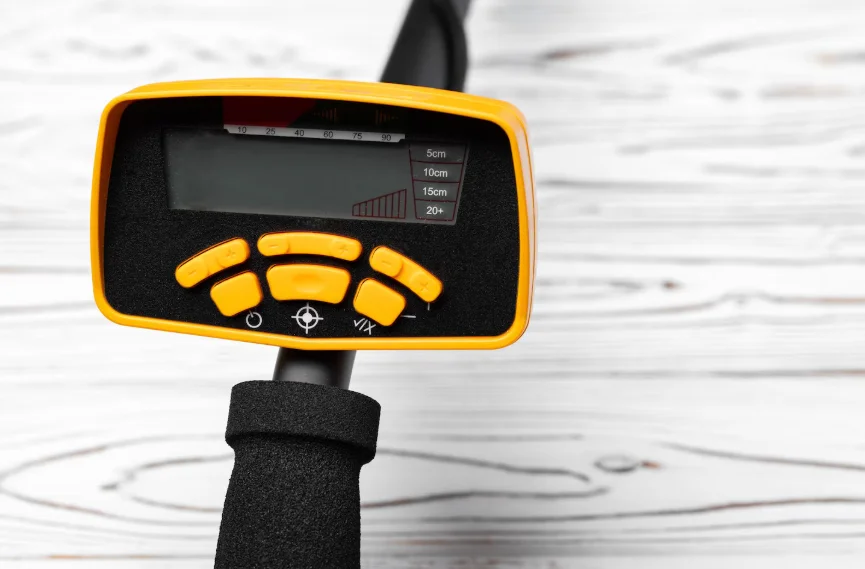
ATEX Devices Monitor Vibration and Temperature use advanced sensors to collect and transmit data continuously.
-
Vibration sensors measure displacement, velocity, or acceleration.
-
Temperature sensors detect thermal fluctuations in bearings, shafts, and housings.
-
Smart gateways transfer this data to centralized control systems or cloud platforms.
-
AI-based analytics interpret anomalies and trigger real-time alerts.
Operators and maintenance teams can view trends remotely via ATEX tablets or phones, ensuring immediate response to irregular readings.
5. Industries Using These Devices
ATEX-certified monitoring systems are widely used across industries such as:
-
Oil and gas plants
-
Petrochemical refineries
-
Power generation facilities
-
Mining operations
-
Food and beverage processing
-
Marine and offshore installations
Each of these environments faces risks from heat, vibration, and flammable materials — making ATEX Devices Monitor Vibration and Temperature a safety necessity.
6. Integration with Predictive Maintenance
Modern industries are shifting from reactive to predictive maintenance.
ATEX devices help implement this by collecting historical and real-time data to forecast failures.
When you ATEX Devices Monitor Vibration and Temperature, you gain the ability to:
-
Schedule maintenance only when needed
-
Prevent unnecessary shutdowns
-
Optimize energy usage
-
Maintain compliance with ATEX and IECEx safety standards
7. Real-Time Alerts and Cloud Connectivity
With IoT-enabled ATEX Devices Monitor Vibration and Temperature happens in real time. If a machine overheats or vibrates abnormally, instant alerts are sent to supervisors through control systems or mobile apps.
This capability allows for:
-
Immediate shutdown to prevent hazards
-
Remote access to critical data
-
Enhanced collaboration between safety teams
By combining cloud analytics and smart monitoring, companies gain full visibility of their machinery health.
8. Safety and Compliance Benefits
ATEX devices monitor vibration and temperature of machines
- ATEX 2014/34/EU Directive
-
ATEX Standards
-
ISO 17359 (Condition Monitoring)
Compliant monitoring solutions reduce legal and operational risks while maintaining a safer workplace in explosive environments.
9. The Future of Industrial Monitoring
The future of machine monitoring lies in smart, connected, and autonomous systems. AI-powered ATEX devices can predict faults before they occur, integrate with ERP systems, and even suggest maintenance schedules.
As industries digitize, ATEX Devices Monitor Vibration and Temperature of machines will play an increasingly vital role in sustainable and safe operations.
Conclusion
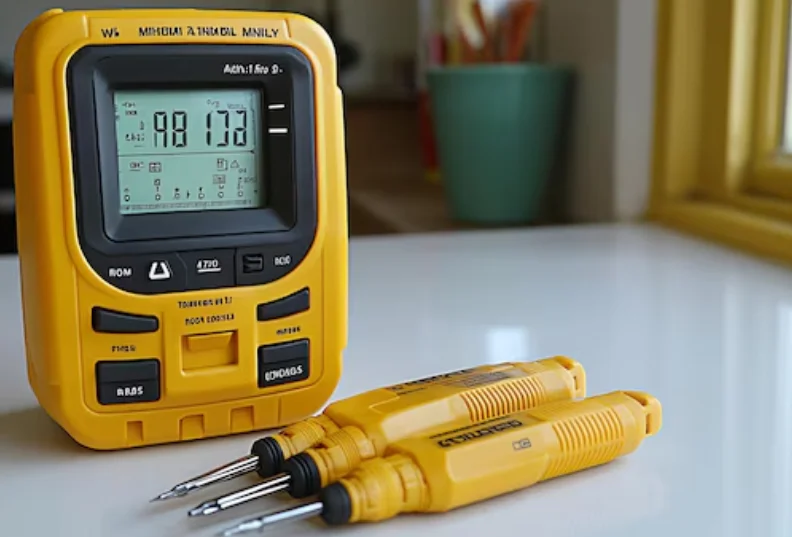
In hazardous industries, safety cannot be compromised. Using ATEX-certified devices to monitor vibration and temperature of machines not only enhances operational efficiency but also ensures regulatory compliance and worker protection.
By adopting intelligent monitoring solutions, companies can achieve:
-
Reduced downtime
-
Lower repair costs
-
Higher productivity
-
Improved safety performance
In short, these technologies create a bridge between safety and innovation — keeping both machines and people protected in the most challenging environments.
FAQs
1.how does ATEX Devices Monitor Vibration and Temperature of machines mean?
It refers to tracking changes in machine movement and heat levels to detect faults early.
2. Why is vibration monitoring important?
Because it helps identify issues like imbalance, misalignment, or bearing wear before failure occurs.
3. How do ATEX devices ensure safety during monitoring?
They are explosion-proof and intrinsically safe, preventing ignition in hazardous zones.
4. Can ATEX devices connect wirelessly?
Yes, many support wireless data transmission via IoT or Bluetooth for remote monitoring.
5. What industries need ATEX monitoring systems?
Oil, gas, mining, petrochemical, power, and manufacturing industries.
6. Do these devices require regular calibration?
Yes, calibration ensures accurate readings and compliance with ATEX standards.
7. How does temperature monitoring prevent accidents?
It alerts operators when machinery overheats, reducing fire and explosion risks.
8. Can vibration and temperature be monitored simultaneously?
Yes, most ATEX devices are designed for dual monitoring functions.
9. Are ATEX monitoring systems expensive?
Initial costs are higher, but they save money through reduced downtime and repairs.
10. What is the role of IoT in vibration and temperature monitoring?
IoT enables real-time data access and predictive analytics across industrial networks.
11. How often should vibration levels be checked?
Continuous monitoring is ideal, especially for critical machinery.
12. What is the ATEX certification for?
It certifies that a device is safe for use in explosive or flammable environments.
13. Can data from ATEX devices be integrated into ERP systems?
Yes, for centralized control and predictive maintenance planning.
14. Are these devices durable in harsh conditions?
Absolutely, ATEX devices are built to withstand dust, moisture, and high heat.
15. How do these systems improve productivity?
By reducing unexpected downtime and ensuring smooth machine operation.
Industrial Applications & Real-World Use Cases
In hazardous industrial environments such as oil refineries, petrochemical plants, offshore platforms, and mining operations, reliable communication is a critical safety requirement. Workers in Zone 1 and Zone 21 classified areas face constant exposure to flammable gases, vapors, and combustible dust. Any electronic device used must be intrinsically safe to prevent ignition.
Oil & Gas Operations
Field engineers on drilling rigs, well pads, and production platforms rely on ATEX certified devices for work order management, real-time communication with control rooms, digital permit-to-work systems, and photographic documentation. Our devices are deployed across ADNOC, Saudi Aramco, KOC, KNPC, ONGC, Petrobras, and Shell facilities worldwide.
Refinery & Petrochemical Safety
Process safety management requires continuous communication between operators, maintenance technicians, and HSE personnel. ATEX phones enable instant push-to-talk during turnarounds, emergency responses, and inspection rounds. Explosion-proof tablets allow viewing P&IDs and digital checklists in the field.
Offshore Platform Operations
Offshore environments present salt spray corrosion, extreme weather, and limited charging infrastructure. Our IP68-rated devices withstand these conditions while maintaining Zone 1 certification for crane coordination, emergency mustering, and helicopter manifesting.
Safety Compliance Standards
- ATEX Directive 2014/34/EU — European explosive atmospheres standard
- Ex ia IIC T4 Gb — Zone 1 intrinsic safety for gas groups
- Ex ia IIIC T135°C Db — Zone 21 dust protection
- IP68 — Dust and water protection
- MIL-STD-810H — Military-grade durability
Browse Products → | Request Quote → | Certifications →
Related ATEX Products & Resources
Explore our range of ATEX-certified devices for hazardous areas: