


Edge Computing: 5 Smart Ways to Boost Speed & Cut Latency in Industrial IoT
Edge Computing boosts industrial data processing by reducing latency, improving speed, and enabling real-time insights for scalable IoT operations.
Introduction
In today’s data-driven industrial world, Edge Computing is reshaping how businesses collect, process, and use information. Instead of sending all data to distant cloud servers, this innovative technology brings computation closer to where it’s needed — near sensors, machines, and IoT devices.
For industries such as oil and gas, manufacturing, mining, and energy, every second counts. Even a slight delay in data transmission can lead to costly downtime or safety risks. Edge Computing eliminates that delay by enabling real-time data processing right at the operational site.
By processing data locally, edge solutions reduce latency, improve security, and enhance reliability — even in remote or hazardous environments where stable connectivity is a challenge. It’s a core technology driving the Industrial Internet of Things (IIoT), predictive maintenance, and smart automation.
Simply put, Edge Computing empowers industries to make faster, smarter, and safer decisions — at the edge, where it truly matters.
Introduction: What Is Edge Computing?
Edge Computing is a transformative technology that brings computation and data storage closer to the location where it is needed — at the “edge” of the network. Instead of relying on centralized cloud data centers, edge computing processes data locally, near IoT devices, sensors, or machinery.
For industries, this means faster response times, reduced latency, enhanced data privacy, and greater reliability — especially in hazardous or remote environments where cloud connectivity can be limited.
In simple terms, edge computing ensures that devices think and act locally, rather than sending every piece of data to a distant cloud for analysis.
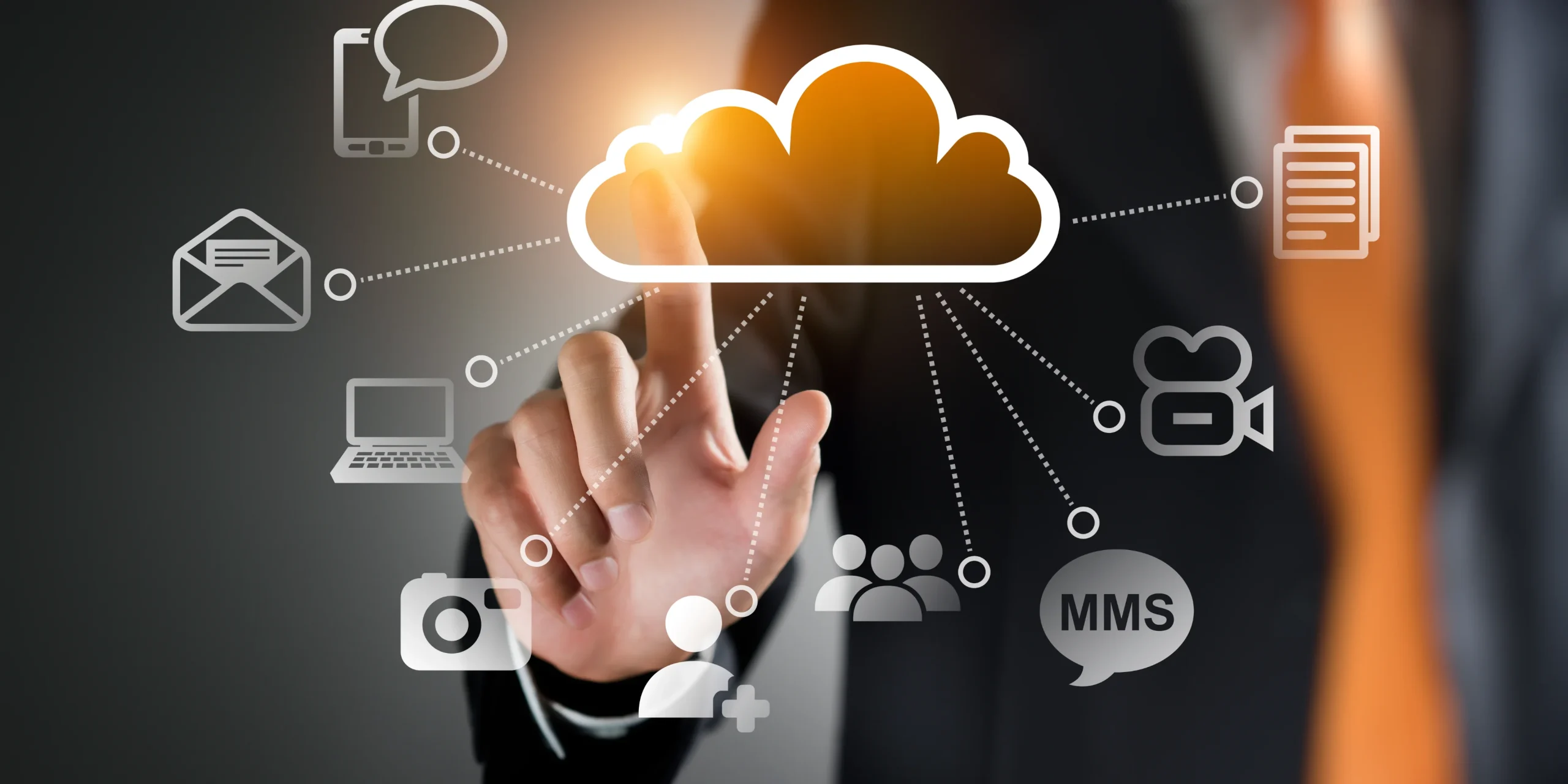
Why Edge Computing Matters in Modern Industry
Industrial operations rely on real-time insights. In sectors such as oil and gas, manufacturing, mining, and utilities, machines, sensors, and IoT devices generate vast amounts of data every second.
If every byte of that data were sent to the cloud, the delay would be unacceptable — especially when safety and productivity depend on instant reactions.
That’s where Edge Computing steps in — it processes data right where it’s produced, enabling faster decisions, reducing bandwidth usage, and improving reliability.
How Edge Computing Works
The architecture of Edge Computing consists of several key components:
-
Edge Devices:
These include rugged tablets, smart sensors, and industrial gateways installed on the shop floor or in the field. They collect and process data locally. -
Edge Nodes:
Mini-servers or computing units that analyze and filter data before it is sent to the central cloud or control center. -
Cloud Integration:
The cloud still plays a role for advanced analytics, long-term storage, and large-scale machine learning — but only essential data reaches it. -
Communication Networks:
Edge devices connect through Ethernet, Wi-Fi, LTE, or private 5G networks for reliable data transmission.
In short, Edge Computing decentralizes data handling, keeping time-sensitive operations close to where they happen.
Benefits of Edge Computing in Industrial Environments
1. Reduced Latency
Industrial applications such as robotics, machine vision, and safety monitoring require real-time response. Edge computing eliminates the delay caused by data transmission to distant servers.
2. Enhanced Reliability
Even when internet connectivity is lost, edge devices can continue to operate independently. This autonomy ensures continuous workflow in remote or hazardous zones.
3. Improved Security and Compliance
Sensitive operational data stays within the local network, minimizing exposure to cyber threats. For industries working under ATEX standards, this localized processing also supports compliance.
4. Optimized Bandwidth
Only filtered and relevant data is transmitted to the cloud. This reduces bandwidth consumption and operational costs.
5. Real-Time Decision Making
Edge Computing allows instant data-driven actions, improving operational efficiency, predictive maintenance, and safety response.
Edge Computing and the Industrial Internet of Things (IIoT)
The Industrial Internet of Things (IIoT) relies on interconnected sensors, actuators, and controllers. These devices generate real-time data for predictive maintenance, process optimization, and asset management.
Edge Computing enhances IIoT by enabling on-site analytics — ensuring decisions are made within milliseconds, not seconds.
For instance:
-
In oil refineries, edge systems detect gas leaks and automatically trigger alarms before human intervention.
-
In manufacturing, edge analytics monitors machine vibrations to predict failures early.
-
In mining operations, rugged tablets at the edge ensure workers stay connected and informed even deep underground.
Edge Network in Hazardous Environments
In explosive or high-risk zones, such as oil rigs or chemical plants, network reliability and safety compliance are critical.
Edge Computing minimizes dependence on external connectivity. Explosion-proof devices like rugged edge gateways and intrinsically safe tablets process data on-site, helping to:
-
Prevent downtime
-
Enhance worker safety
-
Ensure continuous monitoring
-
Maintain compliance with ATEX, ATEX, and ISO standards
By using edge intelligence, industries can predict hazards, automate shutdowns, and analyze safety trends — all locally and securely.
Key Applications of Edge Computing Across Industries
1. Oil and Gas
Real-time monitoring of pipelines, pressure levels, and gas leaks through edge analytics improves operational safety and efficiency.
2. Manufacturing
Smart factories use edge computing for robotics coordination, predictive maintenance, and quality control.
3. Mining
Edge devices ensure workers remain connected underground and critical data is analyzed instantly to prevent accidents.
4. Energy and Utilities
Grid monitoring, smart meters, and renewable energy systems rely on edge computing for immediate data analysis and power optimization.
5. Transportation and Logistics
Fleet management systems use edge analytics to track vehicles, monitor fuel consumption, and enhance route efficiency.
Edge Computing vs. Cloud Computing
| Feature | Edge Computing | Cloud Computing |
|---|---|---|
| Latency | Ultra-low (milliseconds) | High (depends on internet speed) |
| Data Storage | Local or near-device | Centralized remote servers |
| Reliability | Works offline or with low connectivity | Requires stable internet |
| Security | Data stays on-site | Data travels over public networks |
| Best Use Case | Real-time industrial applications | Large-scale analytics and AI |
The two are complementary, not competitors. Edge handles immediate processing, while the cloud manages long-term analysis and scalability.
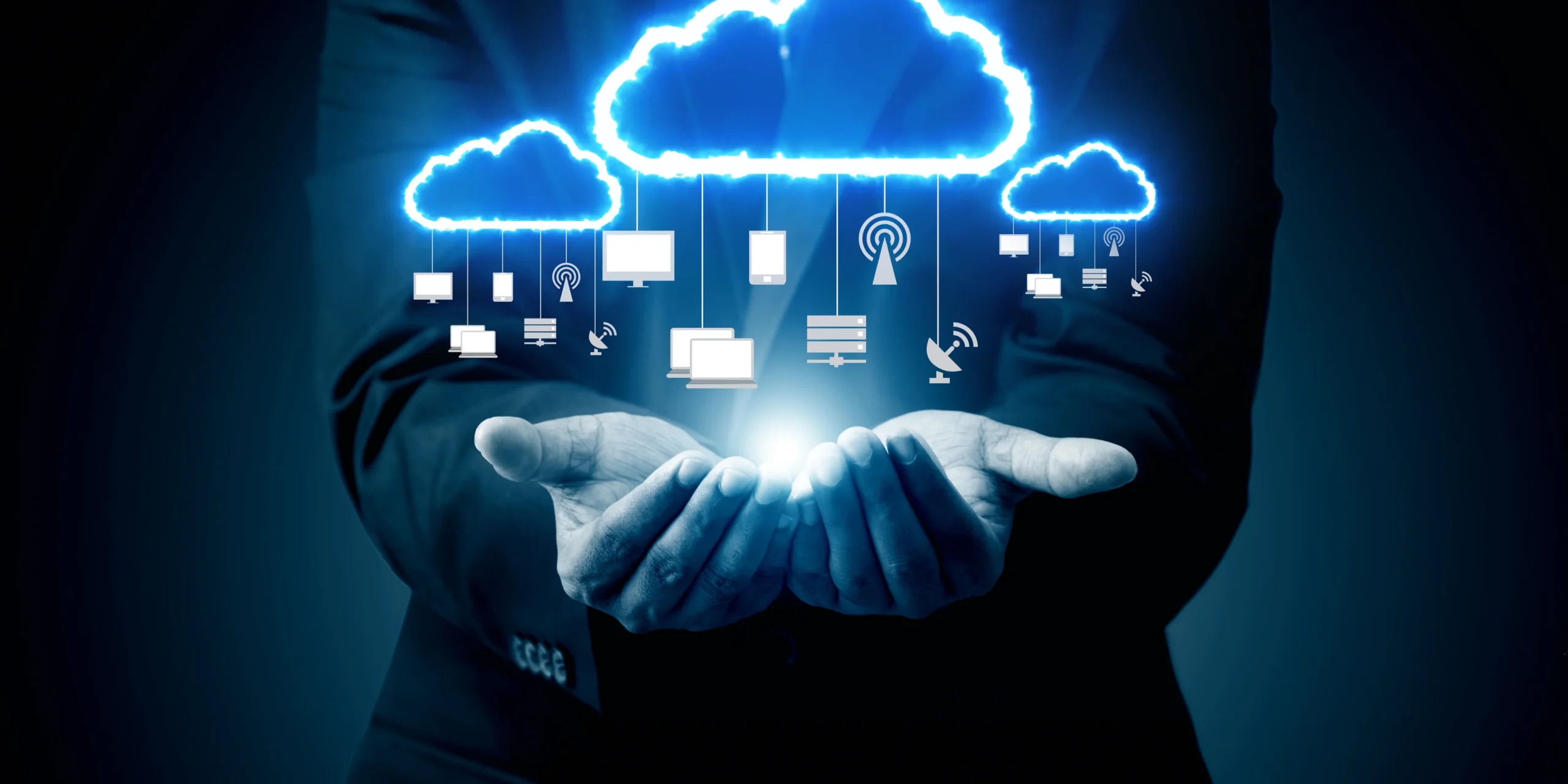
Edge Computing Architecture in Industry
A typical industrial edge architecture includes:
-
Edge Devices (sensors, PLCs, rugged tablets)
-
Edge Gateway (for data aggregation and filtering)
-
Local Server or Fog Node (for analytics and AI models)
-
Cloud Backend (for long-term storage and enterprise-level insights)
This layered design ensures optimal performance, flexibility, and security for industrial automation systems.
Edge AI: The Next Evolution
Combining Edge Data Analysis with Artificial Intelligence (AI) gives rise to Edge AI — where intelligent algorithms run locally on edge devices.
Benefits include:
-
On-device predictive maintenance
-
Smart visual inspection
-
Autonomous robotics
-
Instant anomaly detection
For example, cameras equipped with edge AI can detect safety violations in real-time without depending on cloud-based video analysis.
Challenges of Edge Network
Despite its advantages, there are challenges to consider:
-
Hardware Costs:
Deploying rugged and ATEX-certified devices can be expensive initially. -
Complex Management:
Managing distributed nodes across industrial sites requires strong orchestration. -
Data Synchronization:
Ensuring consistency between local and cloud systems is vital. -
Cybersecurity Threats:
Edge nodes must be regularly updated and monitored to avoid vulnerabilities. -
Skill Gap:
Industrial teams need training to manage and deploy edge-based solutions effectively.
Future of Edge Computing
By 2030, experts predict that over 70% of industrial data will be processed outside the cloud.
Edge Computing will power:
-
Smart cities
-
Autonomous factories
-
Connected vehicles
-
Real-time safety monitoring
The rise of 5G, AI integration, and IoT expansion will further strengthen edge technology’s role in industrial digital transformation.
Conclusion
Edge network represents a paradigm shift from centralized data processing to localized intelligence.
For industries operating in complex or hazardous environments, this technology ensures faster decisions, improved safety, and optimized efficiency.
At Infinity-Ex, edge-driven solutions empower industries to stay connected, compliant, and competitive in a data-driven world.
Edge data analysis is not just the future — it’s already redefining how industries think, act, and innovate.
Top 10 FAQs about Edge Analysis
1. What is Edge network?
Edge Computing is a distributed IT architecture that processes data near its source instead of sending it to a centralized cloud.
2. How does Edge Computing benefit industries?
It reduces latency, enhances security, and ensures uninterrupted data processing in industrial environments.
3. Is Edge Computing replacing cloud computing?
No, it complements the cloud by handling time-sensitive tasks locally while the cloud manages heavy data analysis.
4. What are Edge Devices?
Edge devices are local computing units such as sensors, gateways, and rugged tablets that process data near the data source.
5. Why is Edge network important for hazardous environments?
Because it allows data processing and decision-making without relying on internet connectivity, ensuring safety and reliability.
6. What role does AI play in Edge Computing?
AI enables edge devices to make intelligent, real-time decisions without human intervention.
7. What are some examples of edge netword in industry?
Pipeline monitoring, predictive maintenance, quality inspection, and remote asset management.
8. How secure is Edge data processing?
It enhances security by keeping sensitive data local and minimizing exposure to cyber threats.
9. What industries benefit the most from edge data processing?
Oil and gas, manufacturing, energy, mining, and logistics sectors gain the most through faster data processing and automation.
10. What is the future of Edge network?
The future involves tighter integration with 5G, AI, and IoT technologies — powering intelligent, autonomous industrial ecosystems.
Related ATEX Products & Resources
Explore our range of ATEX-certified devices for hazardous areas: