


Electrical Safety Month: 5 Critical Rules to Prevent Workplace Hazards
Electrical Safety Month highlights key workplace safety practices to prevent electrical hazards, reduce accidents, and promote a safer working environment.
Introduction
Every year, Electrical Safety Month serves as an important reminder of the critical role electricity plays in modern industries—and the dangers that come with it. From manufacturing plants to oil refineries and chemical facilities, electrical hazards can result in serious injuries, fires, and costly downtime.
The goal of Electrical Safety Month is to promote awareness, training, and preventive actions that keep workers safe and ensure facilities meet strict compliance standards such as UL Certification and ATEX directives.
In this article, we’ll explore why Electrical Safety Month matters, key safety tips for workers, and how ATEX-certified devices are helping industries achieve safer and more reliable operations.
1. Why Electrical Safety Month Matters
Electricity powers nearly every aspect of industrial operations, but even minor negligence can lead to major hazards. Electrical Safety Month highlights the importance of understanding and mitigating these risks.
1.1 The Growing Need for Safety Awareness
According to industry statistics, thousands of electrical accidents occur annually due to poor equipment maintenance, lack of training, or improper handling of electrical systems. These incidents not only harm workers but can also damage expensive machinery and cause production losses.
Electrical Safety Month encourages both employers and employees to prioritize training, compliance, and the use of explosion-proof and intrinsically safe equipment in hazardous zones.
1.2 Aligning with Global Safety Standards
Regulatory frameworks such as ATEX, ATEX, and UL Certification provide clear safety guidelines for electrical devices used in hazardous environments. By aligning with these standards, industries ensure that their equipment is built to resist ignition sources, reducing the risk of explosions or fires.
2. The Role of ATEX-Certified Devices During Electrical Safety Month
One of the most effective ways to enhance workplace safety during Electrical Safety Month is to adopt ATEX-certified devices. These devices are designed for hazardous environments where explosive gases or dust are present.
2.1 What Are ATEX-Certified Devices?
ATEX-certified devices are tested and approved under the European Union’s ATEX Directive to ensure they are safe for use in explosive atmospheres. Examples include explosion-proof phones, tablets, radios, and cameras used in oil & gas, mining, and chemical industries.
When used during Electrical Safety Month awareness campaigns, these devices demonstrate the importance of reliable technology that prevents ignition and supports safe operations.
2.2 Benefits of Using ATEX-Certified Equipment
-
Reduced Explosion Risk — Designed to prevent sparks or excessive heat.
-
Compliance Assurance — Meets global safety standards like UL and ATEX.
-
Durability — Built to withstand extreme temperatures and pressure.
-
Worker Safety — Enables safe communication and monitoring in restricted zones.
By promoting these devices during Electrical Safety Month, industries emphasize the value of certified tools in preventing accidents.
3. Key Electrical Safety Practices to Promote This Month
3.1 Conduct Regular Safety Audits
Routine inspections and testing of electrical systems are essential. Identify faulty wiring, damaged insulation, or outdated devices that could pose a hazard.
3.2 Train Employees on Safe Handling
Proper training is at the core of Electrical Safety Month. Workers should understand how to handle live equipment, perform lockout/tagout procedures, and use protective gear.
3.3 Use UL-Certified and ATEX-Certified Devices
Both UL and ATEX certifications signify that equipment has undergone rigorous safety testing. Using such devices ensures that workplaces meet compliance requirements and minimize electrical risks.
3.4 Maintain Clear Signage and Emergency Protocols
Emergency signs, proper labeling, and evacuation routes should be clearly visible in all industrial areas. Electrical Safety Month is the perfect time to audit and improve these protocols.
3.5 Promote a Safety-First Culture
Beyond compliance, safety should be part of daily operations. Encourage open reporting of potential risks and reward adherence to safety procedures.
4. Industrial Sectors That Benefit Most from Electrical Safety Awareness
During Electrical Safety Month, several high-risk industries take proactive steps to enhance safety, including:
-
Oil and Gas Refineries – Regular equipment inspections prevent gas ignition.
-
Mining Operations – Intrinsically safe communication devices reduce explosion risks.
-
Chemical Manufacturing – ATEX-compliant sensors and monitors ensure controlled processes.
-
Power Plants – UL-certified panels and switches maintain reliable power distribution.
-
Construction Sites – Safety training and certified tools reduce electrical shock risks.
These industries rely heavily on ATEX-certified devices to maintain a safe working environment throughout the year—not just during Electrical Safety Month.
5. The Connection Between UL Certification and Electrical Safety
While Electrical Safety Month promotes awareness, UL Certification ensures that products meet technical and performance standards for safe operation.
5.1 What Is UL Certification?
Underwriters Laboratories (UL) is a global safety organization that tests and certifies electrical products. UL-certified equipment is verified for safe voltage operation, insulation, and resistance to environmental hazards.
5.2 Why UL Certification Matters
-
Guarantees product reliability
-
Ensures compliance with international standards
-
Reduces liability for manufacturers and operators
-
Builds customer trust in product safety
By combining UL Certification with ATEX compliance, industries create a multi-layered defense against electrical accidents.
6. Promoting Electrical Safety Month in Your Organization
Here are a few ways companies can actively participate in Electrical Safety Month:
-
Host Safety Workshops: Educate employees about electrical risks and prevention methods.
-
Distribute Awareness Material: Posters, infographics, and internal newsletters.
-
Upgrade to Certified Equipment: Replace old devices with UL and ATEX-certified models.
-
Recognize Safe Workers: Reward teams that consistently follow safety protocols.
-
Conduct Mock Drills: Test emergency responses and identify areas for improvement.
When organizations take these steps, they not only promote awareness but also build a long-term culture of electrical safety.
7. How ATEX-Certified Devices Support Electrical Safety
ATEX-certified devices play a major role during Electrical Safety Month by ensuring uninterrupted operations in explosive zones. Some examples include:
-
Explosion-Proof Smartphones – Enable safe communication in Zone 1 and Zone 2 areas.
-
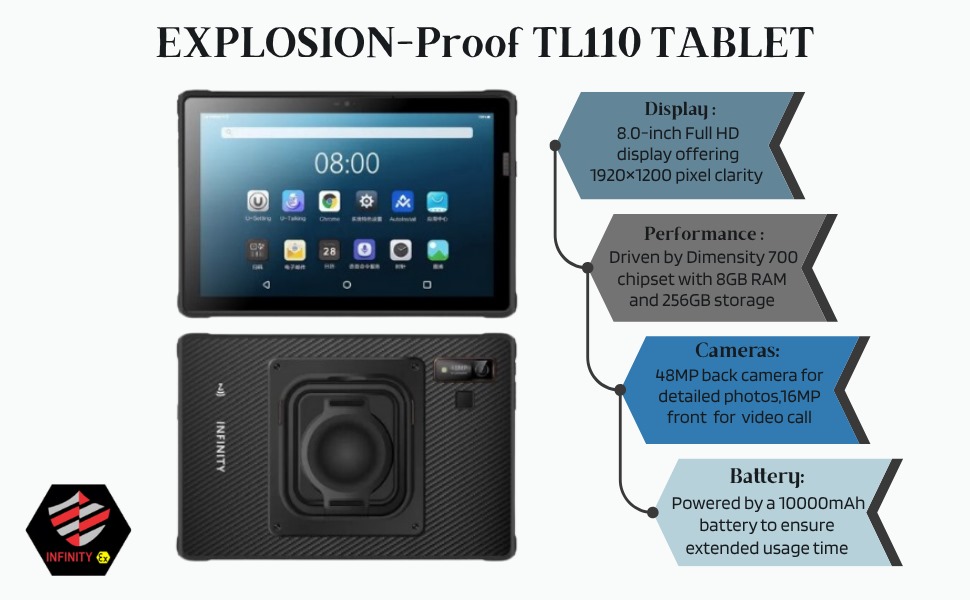
Rugged Tablets – Allow digital inspection and data entry in hazardous zones.
-
Safety Cameras – Monitor high-risk sites without sparking hazards.
These devices are proof that technology and safety can coexist, helping industries advance while maintaining compliance.

Conclusion
Electrical Safety Month is more than an annual campaign—it’s a global call to action. It reminds industries that electricity, while vital, demands respect, maintenance, and strict adherence to safety protocols.
By integrating UL Certification, ATEX standards, and electrical safety training, organizations can drastically reduce workplace hazards and protect their most valuable asset: their people.
As we observe Electrical Safety Month, let’s commit to building safer workplaces through innovation, awareness, and certified technology.
Industrial Applications & Real-World Use Cases
In hazardous industrial environments such as oil refineries, petrochemical plants, offshore platforms, and mining operations, reliable communication is a critical safety requirement. Workers in Zone 1 and Zone 21 classified areas face constant exposure to flammable gases, vapors, and combustible dust. Any electronic device used must be intrinsically safe to prevent ignition.
Oil & Gas Operations
Field engineers on drilling rigs, well pads, and production platforms rely on ATEX certified devices for work order management, real-time communication with control rooms, digital permit-to-work systems, and photographic documentation. Our devices are deployed across ADNOC, Saudi Aramco, KOC, KNPC, ONGC, Petrobras, and Shell facilities worldwide.
Refinery & Petrochemical Safety
Process safety management requires continuous communication between operators, maintenance technicians, and HSE personnel. ATEX phones enable instant push-to-talk during turnarounds, emergency responses, and inspection rounds. Explosion-proof tablets allow viewing P&IDs and digital checklists in the field.
Offshore Platform Operations
Offshore environments present salt spray corrosion, extreme weather, and limited charging infrastructure. Our IP68-rated devices withstand these conditions while maintaining Zone 1 certification for crane coordination, emergency mustering, and helicopter manifesting.
Safety Compliance Standards
- ATEX Directive 2014/34/EU — European explosive atmospheres standard
- Ex ia IIC T4 Gb — Zone 1 intrinsic safety for gas groups
- Ex ia IIIC T135°C Db — Zone 21 dust protection
- IP68 — Dust and water protection
- MIL-STD-810H — Military-grade durability
Browse Products → | Request Quote → | Certifications →
Related ATEX Products & Resources
Explore our range of ATEX-certified devices for hazardous areas: