


Electromagnetic Interference (EMI): 7 Critical Threats to Device Performance
Electromagnetic Interference (EMI) can severely impact device performance, causing signal disruption, data loss, and system failure. Learn key effects and prevention strategies.
Introduction
Electromagnetic Interference (EMI) is a silent but powerful threat that can seriously disrupt the performance of modern electronic devices. In critical industries such as oil & gas, manufacturing, healthcare, and telecommunications, even minor electronic disturbances can lead to system failures, operational downtime, or safety hazards.
When unwanted electromagnetic signals interfere with electronic circuits, the result can be communication breakdowns, inaccurate data, and compromised safety—especially in high-risk and explosive environments. Because of these risks, managing Electromagnetic Interference is not optional; it is essential for ensuring reliable performance, regulatory compliance, and the protection of both systems and personnel.
Learning EMI and Its Sources
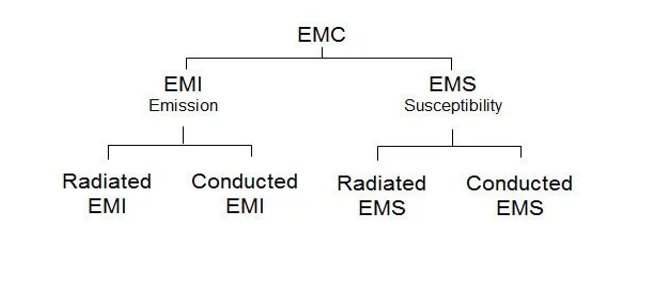
EMI is the situation that arises when electromagnetic energy emitted by one gadget interferes with another gadget. This interference may either lower, impede or even fully stop the normal operation or performance of the affected equipment.
- Conducted EMI – passes through physical carriers such as cables and power lines.
- Radiated EMI – is conveyed by air, through electromagnetic waves.
The typical sources of EMI are:
- Electric generators and electric motors.
- Radio transmitters and cell phones.
- Oil and gas industrial equipment.
- Switch-mode power supplies.
- Welding apparatus and ventilators.
The increasing concentration of electronic types of systems particularly within industrial areas enhances the possibilities of EMI problems. This renders the EMI management an important issue in the environment involved in high reliability and safety concerns.
Effects of EMI on the Functioning of the Device
The implications of EMI may be as mild as inconvenience to atrocious breakdowns. Within a sensitive system, a slight electromagnetic interference can cause false readings, data corruption, or unwanted system failures.
Signal Degradation:
EMI is able to interfere with communication systems and create distortion of signals which may result in loss of data packets or distortion transmission. It is particularly an issue with remote oil rigs or gas plants that are dependent on a wireless monitoring system.
Reduced Accuracy in Sensors:
In fine-tuning equipment, like a flow meter or a pressure gauge, false measurement may be produced by EMI. In the oil and gas industry, non-accurate readings could lead to risky processes or inefficiencies in the processes.
Equipment Malfunction:
Uncontrolled EMI may result in erratic behavior of the device, or software crashes or failure of components. In the case of safety-critical devices in Atex-rated areas (explosive atmospheres), these failures would prove to be disastrous.
Safety Risks:
Uncontrolled sparks or electromagnetic emissions could be a source of inflammable fires in areas which store flammable materials, such as oil or gas. Devices deployed in such areas therefore should be Atex certified meaning that they are supposed to be designed to work without any a
ccident in the event of an explosion.
Atex Certification and Electromagnetic Interference Compliance
The Atex Directive (Atmosphere Explosible) is a European regulation that, in turn, regulates equipment and protective systems, that can be used in explosive atmospheres. Atex certified devices are tightly tested to make sure that they do not produce electromagnetic disturbances to ignite combustible substances.

In the case of oil and gas companies, Atex compliance does not constitute a mere legal obligation, but a basic rule in terms of safety. To eliminate hazards caused by EMI, the manufactures have to develop a product that is compliant with the Atex and EMC (Electromagnetic Compatibility) standards. This will include the use of shields in the enclosures, grounding systems, as well as filters to reduce the interference.
Eliminating Electromagnetic Interference in Industrial Environments
In order to achieve the best conduct of the devices, industries have used many EMI mitigation methods:
- Shielding: Surrounding of the world with conductive material prevents the outside electromagnetic fields.
- Grounding and Bonding: Correct grounding minimizes voltage differences that have the potential to cause EMI.
- Filtering: In line filters, the flow of interference into and out of a system is blocked.
- Cable Management: Cable management cable is in the form of twisted-pair or coaxial cables, which minimize radiation and EMI pickup.
- Equipment Layout: High-power and low-power systems are separated to a minimum to avoid cross-interference.
- Routine Testing: Periodic testing of EMC makes sure that there is continued adherence to the EMC and to identify any problem of interference early.
EMI Testing and Certification: Role
Through periodic tests, EMC will be tested when weak points during pre-mount tests are highlighted before transferring the devices to the real environment where they are utilized. Adherence to international standards like international standard of electrical and electronic components, CISPR and Atex are forced by the testing. The tests replicate the actual electromagnetic surroundings of life so that the appliances will be in a position to operate without interruptions or bring about any safety risk.
Conclusion
Electromagnetic Interference is a noise maker that has the potential to interfere with the functionality, accuracy and safety of myriad applications. The EMI concerns in Atex-controlled oil and gas fields are not a choice, but a question of life and death of the operations. Industries can protect their devices, data and people through vigorous designing, compliance and proactive maintenance against the invisible menace of electromagnetic disruption.
FAQs
1.What do you mean by EMI?
Electromagnetic Interference refers to unnecessary electromagnetic radiations that disturb the normal functioning of electrical or electronic gadgets.
2.What is the importance of Electromagnetic Interference in oil and gas industry?
In oil and gas, EMI may affect control systems and safety sensors as well as communication networks-this would possibly result in awkward circumstances.
3.What is the meaning of Atex certification?
Atex certification is done to guarantee that equipment are safe to operate in explosive atmospheres e.g the one that contains flammable gases or vapors.
4.How can Electromagnetic Interference be prevented?
Some of the preventive steps that are taken are opting to use shielded cables, grounding, use of EMI filters and setting up the systems with proper separation between high and low power circuits.
5. What is Electromagnetic Interference (EMI)?
Electromagnetic Interference, or EMI, is the disturbance caused when an external electromagnetic field affects the normal operation of an electronic device. It can originate from sources like power lines, radio signals, motors, or other nearby equipment.
6. How does Electromagnetic Interference affect device performance?
EMI can disrupt signal transmission, cause data corruption, or lead to unpredictable device behavior. In critical systems, it may even result in malfunctions or shutdowns, especially in environments with high-frequency electromagnetic activity.
7. What types of devices are most vulnerable to EMI?
Sensitive electronic devices such as communication systems, medical instruments, industrial sensors, and control units are highly susceptible to electromagnetic interference due to their reliance on precise electronic signals.
8. How can industries reduce Electromagnetic Interference on device performance?
To minimize EMI, industries often use shielding materials, grounding systems, and twisted-pair cabling. Additionally, proper equipment spacing and compliance with EMC (Electromagnetic Compatibility) standards are essential for interference control.
9. What standards regulate protection against Electromagnetic Interference?
International standards such as IEC 61000, CISPR, and MIL-STD-461 define testing and limits for electromagnetic compatibility, ensuring that devices can operate safely without emitting or being affected by excessive interference.
10. Can Electromagnetic Interference be completely eliminated?
It’s nearly impossible to eliminate EMI entirely, but it can be effectively managed. By integrating proper shielding, filtering, and circuit design practices, the impact of electromagnetic interference on device performance can be reduced to negligible levels.
Related ATEX Products & Resources
Explore our range of ATEX-certified devices for hazardous areas: