


Explosion-Proof Junction Box: 5 Smart Ways to Boost Safety & Reduce Risk (2025)
Explosion-Proof Junction Box improves industrial safety by boosting protection, reducing electrical risks, and ensuring reliable performance in hazardous areas.
Introduction
In industries where flammable gases, vapors, or dust are present, even the smallest spark can lead to catastrophic explosions. To prevent such incidents, every electrical connection and enclosure must be designed for safety and durability.
One essential component in this safety chain is the Explosion-Proof Junction Box — a specialized enclosure that protects electrical connections from igniting surrounding explosive atmospheres.
Whether used in oil refineries, chemical plants, or gas processing facilities, explosion-proof junction boxes are a critical part of electrical safety systems that comply with ATEX, and NEC standards.
What Is an Explosion-Proof Junction Box?
An Explosion-Proof Junction Box is an enclosure designed to contain any explosion that occurs within it, preventing the flames or hot gases from igniting the external hazardous atmosphere.
Unlike standard electrical boxes, these junction boxes are made from robust materials such as aluminum, stainless steel, or cast iron. They feature flame paths, threaded covers, and certified gaskets to maintain complete containment integrity.
These boxes are installed in hazardous zones (Class I, II, III, Divisions 1 & 2) where the presence of explosive materials makes ordinary electrical components unsafe.
Why Explosion-Proof Junction Boxes Are Important
Explosion-proof junction boxes are crucial in minimizing explosion risks in industrial environments.
Key Reasons:
-
Prevent Ignition – Contain internal sparks or explosions.
-
Protect Electrical Circuits – Shield wiring from moisture, dust, and chemicals.
-
Ensure Compliance – Meet OSHA, ATEX, and ATEX safety standards.
-
Enhance System Durability – Provide long-term resistance against corrosion and mechanical stress.
-
Maintain Operational Continuity – Reduce downtime caused by safety incidents.
How Explosion-Proof Junction Boxes Work
The design of an Explosion-Proof Junction Box ensures that if an explosion occurs inside, it cannot spread outside the enclosure.
Key Working Principle:
-
The internal explosion’s energy is contained and cooled by the box’s flame paths.
-
The threaded joints and gaskets act as flame arrestors, preventing ignition of the external environment.
-
The heavy-duty body absorbs pressure, ensuring the box remains intact.
This mechanism makes these junction boxes ideal for connecting cables, relays, and devices in explosive gas or dust environments.
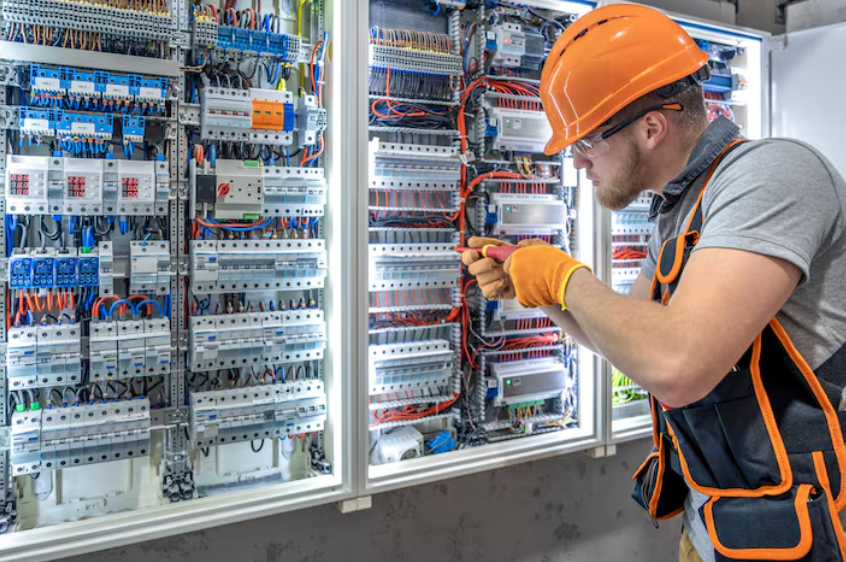 junction box ” width=”846″ height=”562″ />
Construction and Design Features
1. Material Strength
Explosion-proof junction boxes are built using:
-
Cast aluminum – lightweight and corrosion-resistant.
-
Stainless steel – ideal for offshore and chemical applications.
-
Copper-free alloys – reduce spark risk.
2. Sealing Mechanisms
Gaskets, O-rings, and flame-proof threads ensure a complete seal against external contaminants.
3. Temperature Rating
Certified for wide temperature ranges, ensuring reliable performance in hot and cold conditions.
4. Mounting Options
Available in wall-mounted, floor-mounted, or pole-mounted configurations depending on the environment.
Explosion-Proof Junction Box Certifications
To be used in hazardous areas, junction boxes must carry proper certifications:
-
ATEX (Europe) – Compliance with Directive 2014/34/EU.
-
ATEX (Global) – International certification for explosive atmospheres.
-
NEC / UL (USA) – Classified for Class I, II, III; Divisions 1 & 2.
-
CSA (Canada) – Canadian equivalent for hazardous location approval.
Each certification ensures that the Explosion-Proof Junction Box meets strict design and testing standards to contain internal explosions effectively.
Applications of Explosion-Proof Junction Boxes
Explosion-proof junction boxes are widely used in:
-
Oil & Gas Refineries
-
Chemical Processing Plants
-
Mining Operations
-
Pharmaceutical Facilities
-
Paint Manufacturing
-
Power Generation Plants
-
Marine and Offshore Platforms
In each of these sectors, the Explosion-Proof Junction Box acts as a safe hub for cable terminations, signal distribution, and instrumentation wiring.
Installation Guidelines
Proper installation is essential for maintaining the safety integrity of explosion-proof enclosures.
Best Practices:
-
Use certified glands and fittings for cable entry.
-
Ensure tight closure of covers after maintenance.
-
Maintain minimum clearance distances as per NEC/ATEX.
-
Avoid modifying the box without manufacturer approval.
-
Conduct regular inspections for corrosion or seal damage.
Incorrect installation can compromise safety and void certification compliance.
Explosion-Proof Junction Box vs. Flameproof Box
Although the terms are often used interchangeably, there is a subtle difference:
| Feature | Explosion-Proof Junction Box | Flameproof Box |
|---|---|---|
| Standard Used | NEC (North America) | IEC/ATEX (Europe) |
| Protection Mechanism | Contains explosion within | Prevents flame propagation |
| Typical Material | Aluminum or steel | Cast iron or stainless steel |
| Certification | UL, CSA | ATEX |
Both types aim to prevent external ignition — the difference lies mainly in certification standards and regional applications.
Maintenance and Inspection
Maintaining an Explosion-Proof Junction Box involves:
-
Cleaning external surfaces to remove dust buildup.
-
Checking for corrosion, loose fittings, or cracks.
-
Verifying gasket and thread integrity.
-
Ensuring all bolts are securely tightened.
-
Keeping inspection records for compliance audits.
Routine maintenance not only ensures safety but also extends the operational life of the equipment.
Advantages of Explosion-Proof Junction Boxes
Safety: Prevents ignition in explosive environments.
Durability: Resistant to corrosion, vibration, and impact.
Reliability: Certified and tested for extreme conditions.
Flexibility: Suitable for various cable configurations.
Compliance: Meets international explosion-protection standards.
These benefits make Explosion-Proof Junction Boxes indispensable in modern industrial systems.
How to Choose the Right Explosion-Proof Junction Box
When selecting a junction box, consider:
-
Hazard classification (Gas or Dust Zone)
-
Material compatibility (Aluminum, SS316, or GRP)
-
Ingress Protection (IP) Rating
-
Number of cable entries
-
Temperature and corrosion resistance
Working with certified suppliers ensures that the Explosion-Proof Junction Box matches your specific operational and environmental requirements.
Future Trends in Explosion-Proof Junction Box Technology
With the rise of smart industries, manufacturers are now integrating digital technologies into junction boxes.
New designs feature:
-
IoT-enabled monitoring for temperature and pressure.
-
Modular configurations for easier maintenance.
-
Lightweight composites for offshore safety applications.
-
Hybrid certifications (ATEX + ATEX) for global use.
The evolution of the Explosion-Proof Junction Box reflects the growing demand for safety, efficiency, and connectivity in hazardous environments.
Conclusion
Safety in hazardous environments depends on the reliability of every electrical component — and the Explosion-Proof Junction Box is one of the most critical of them all.
By containing internal explosions and preventing ignition of external atmospheres, these junction boxes protect lives, assets, and infrastructure.
Whether in oil rigs, refineries, or chemical plants, compliance with ATEX, and NEC standards ensures peace of mind and operational integrity.
Choosing the right Explosion-Proof Devices isn’t just a technical decision — it’s a commitment to workplace safety and global compliance.
FAQs
1. What is an Explosion-Proof Box?
It’s an enclosure that prevents internal explosions from igniting external hazardous environments.
2. Where are Explosion-Proof Junction used?
In oil refineries, gas plants, chemical factories, and other hazardous zones.
3. What materials are used for these junction boxes?
Typically cast aluminum, stainless steel, or copper-free alloys.
4. Are all junction boxes explosion-proof?
No. Only certified boxes with ATEX, or UL approval are explosion-proof.
5. What are the certifications required?
ATEX, IECEx, UL, and CSA depending on the region.
6. Can I install a normal box in a hazardous area?
No. Only explosion-proof equipment is allowed.
7. How do explosion-proof boxes prevent ignition?
They contain and cool any internal explosion before it escapes.
8. What maintenance is required?
Regular inspection for corrosion, seal integrity, and proper closure.
9. Do explosion-proof boxes support IoT sensors?
Yes, modern versions include IoT-enabled monitoring capabilities.
10. What’s the lifespan of an explosion-proof junction box?
Typically 10–20 years with proper maintenance and inspection
Industrial Applications & Real-World Use Cases
In hazardous industrial environments such as oil refineries, petrochemical plants, offshore platforms, and mining operations, reliable communication is a critical safety requirement. Workers in Zone 1 and Zone 21 classified areas face constant exposure to flammable gases, vapors, and combustible dust. Any electronic device used must be intrinsically safe to prevent ignition.
Oil & Gas Operations
Field engineers on drilling rigs, well pads, and production platforms rely on ATEX certified devices for work order management, real-time communication with control rooms, digital permit-to-work systems, and photographic documentation. Our devices are deployed across ADNOC, Saudi Aramco, KOC, KNPC, ONGC, Petrobras, and Shell facilities worldwide.
Refinery & Petrochemical Safety
Process safety management requires continuous communication between operators, maintenance technicians, and HSE personnel. ATEX phones enable instant push-to-talk during turnarounds, emergency responses, and inspection rounds. Explosion-proof tablets allow viewing P&IDs and digital checklists in the field.
Offshore Platform Operations
Offshore environments present salt spray corrosion, extreme weather, and limited charging infrastructure. Our IP68-rated devices withstand these conditions while maintaining Zone 1 certification for crane coordination, emergency mustering, and helicopter manifesting.
Safety Compliance Standards
- ATEX Directive 2014/34/EU — European explosive atmospheres standard
- Ex ia IIC T4 Gb — Zone 1 intrinsic safety for gas groups
- Ex ia IIIC T135°C Db — Zone 21 dust protection
- IP68 — Dust and water protection
- MIL-STD-810H — Military-grade durability
Browse Products → | Request Quote → | Certifications →
Related ATEX Products & Resources
Explore our range of ATEX-certified devices for hazardous areas: