


Top 10 Myths About Explosion-Proof Safety Equipment
In hazardous industrial environments, the right explosion-proof safety device can mean the difference between a safe workday and a catastrophic incident. Unfortunately, misconceptions about these safety systems often lead to poor decisions, non-compliance, and increased risks. From oil rigs and chemical plants to grain silos and mining operations, understanding the facts is essential for workplace safety.
This article aims to bust 10 common myths about explosion-proof safety equipment, providing clarity so you can make well-informed safety choices for your business.
Myth #1: Explosion-Proof Safety Equipment Is Indestructible
Many believe that explosion-proof safety equipment can survive any blast or extreme condition. The truth is, these devices are designed to contain internal explosions and prevent ignition of surrounding flammable substances, not to withstand unlimited external pressure or impact. Misusing them under the assumption of indestructibility can result in dangerous failures.
Myth #2: Explosion-Proof Means No Fire Risk
While explosion-proof safety equipment minimizes ignition risks, it does not eliminate fire hazards entirely. Proper installation, adherence to safety standards, and scheduled inspections are essential. Neglecting these measures can lead to unsafe conditions despite having certified equipment.
Myth #3: All Explosion-Proof Safety Equipment Is the Same
Equipment is classified according to specific hazards—gas, dust, or temperature ratings. Using a device outside its certified environment can compromise safety. For example, a Zone 2 gas-rated device may not be safe in a Zone 1 dust environment. Always match explosion-proof safety equipment to the exact hazard class of your workplace.
Myth #4: Explosion-Proof and Intrinsically Safe Are the Same
Explosion-proof safety equipment is designed to contain explosions, while intrinsically safe equipment operates with limited electrical energy to prevent sparks. They are complementary but not interchangeable. Choosing the wrong type can result in non-compliance and safety failures.
Myth #5: Only Large Industries Need Explosion-Proof Safety Equipment
Small workshops, labs, and storage areas with flammable gases, vapors, or dust face similar risks to large facilities. Regulatory standards apply regardless of company size. Even a small paint shop may require certified explosion-proof safety equipment.
Myth #6: Explosion-Proof Safety Equipment Never Needs Maintenance
Like all safety gear, this equipment requires inspections, cleaning, and testing. Ignoring maintenance can lead to malfunction, non-compliance, and expensive replacements. A well-maintained explosion-proof safety system can operate effectively for years.
Myth #7: Explosion-Proof Safety Equipment Is Too Expensive
Although the initial investment is higher, it prevents costly downtime, regulatory fines, and accident-related losses. Cheap, uncertified equipment may cost less upfront but can cause devastating financial and safety consequences.
Myth #8: Explosion-Proof Protection Is Only for Electrical Devices
Mechanical systems, lighting fixtures, ventilation units, and communication systems can all require explosion-proof safety equipment depending on the environment. Leaving non-electrical components unprotected can create dangerous weak points in safety systems.
Myth #9: Any Device Can Become Explosion-Proof with a Protective Case
A protective case alone doesn’t make equipment explosion-proof. Certified explosion-proof safety equipment must be designed with specialized materials, sealing systems, and tested to meet strict ATEX standards.
Myth #10: Explosion-Proof Safety Equipment Isn’t Needed in Well-Ventilated Areas
Ventilation reduces but doesn’t remove the risk of ignition. Unexpected leaks, equipment failures, or environmental changes can still lead to explosions. Explosion-proof safety equipment adds an extra layer of protection that works in all ventilation conditions.
Frequently Asked Questions (FAQs)
1. What is explosion-proof safety equipment?
It’s equipment designed to contain internal explosions and prevent ignition of surrounding hazardous materials.
2. How do I know if equipment is certified?
Look for ATEX, or UL markings on the device.
3. Can I use explosion-proof equipment anywhere?
Only in environments for which it’s rated—check gas group, dust group, and temperature class.
4. What’s the difference between explosion-proof and flameproof?
They are similar in concept but defined by different standards—explosion-proof is a broader term.
5. Do intrinsically safe devices replace explosion-proof equipment?
No, they serve different purposes based on the hazard type.
6. How often should I inspect my explosion-proof equipment?
At least annually, or more frequently in high-risk areas.
7. Is explosion-proof safety equipments mandatory by law?
Yes, in many jurisdictions where hazardous areas exist.
8. Does using non-certified equipment increase insurance costs?
Yes, and it may also void coverage in case of an accident.
9. Can mechanical equipment be explosion-proof?
Yes, moving parts can be enclosed or designed for explosion containment.
10. Are portable devices available in explosion-proof versions?
Yes, including radios, tablets, and lighting systems.
11. Does temperature affect certification?
Yes, exceeding rated temperatures can cause failure.
12. Can explosion-proof equipment fail during an explosion?
Yes, if used outside its design limits or if poorly maintained.
13. How does explosion-proof safety device reduce downtime?
By preventing accidents that would otherwise halt operations.
14. What’s the role of ATEX in explosion-proof certification?
ATEX sets EU-wide standards for equipment in explosive atmospheres.
15. Are explosion-proof enclosures weatherproof?
Not always—weather resistance is a separate rating.
Conclusion
Explosion-proof safety equipment is not just a regulatory checkbox—it’s a critical safeguard for protecting workers, assets, and the environment. By understanding and debunking common myths, industries can make informed decisions, ensure compliance, and create a safer work environment.
When lives and operations are at stake, there’s no substitute for using certified, well-maintained explosion-proof safety equipment designed for your specific hazards.
Industrial Applications & Real-World Use Cases
In hazardous industrial environments such as oil refineries, petrochemical plants, offshore platforms, and mining operations, reliable communication is a critical safety requirement. Workers in Zone 1 and Zone 21 classified areas face constant exposure to flammable gases, vapors, and combustible dust. Any electronic device used must be intrinsically safe to prevent ignition.
Oil & Gas Operations
Field engineers on drilling rigs, well pads, and production platforms rely on ATEX certified devices for work order management, real-time communication with control rooms, digital permit-to-work systems, and photographic documentation. Our devices are deployed across ADNOC, Saudi Aramco, KOC, KNPC, ONGC, Petrobras, and Shell facilities worldwide.
Refinery & Petrochemical Safety
Process safety management requires continuous communication between operators, maintenance technicians, and HSE personnel. ATEX phones enable instant push-to-talk during turnarounds, emergency responses, and inspection rounds. Explosion-proof tablets allow viewing P&IDs and digital checklists in the field.
Offshore Platform Operations
Offshore environments present salt spray corrosion, extreme weather, and limited charging infrastructure. Our IP68-rated devices withstand these conditions while maintaining Zone 1 certification for crane coordination, emergency mustering, and helicopter manifesting.
Safety Compliance Standards
- ATEX Directive 2014/34/EU — European explosive atmospheres standard
- Ex ia IIC T4 Gb — Zone 1 intrinsic safety for gas groups
- Ex ia IIIC T135°C Db — Zone 21 dust protection
- IP68 — Dust and water protection
- MIL-STD-810H — Military-grade durability
Browse Products → | Request Quote → | Certifications →
Related ATEX Products & Resources
Explore our range of ATEX-certified devices for hazardous areas:
Selecting the Right Device for Your Operation
Choosing the correct explosion-proof device depends on your specific operational requirements, environmental conditions, and workflow needs. Here are the key factors to consider when evaluating intrinsically safe communication equipment for your facility:
For Field Operators and Technicians
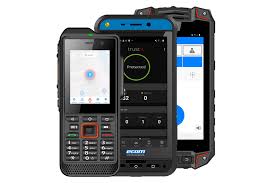
Personnel performing daily rounds, equipment inspections, and maintenance tasks benefit from compact phones with long battery life and rugged construction. The EX72 Plus delivers excellent balance between size, durability, and Zone 1 certified functionality for hands-on field work.
For Engineers and Supervisors
Professionals who need to reference drawings, access CMMS systems, review data trends, and manage digital permits require larger displays and more processing power. The EX 101 Ultra and INFINITY EX 100 PRO provide the performance needed for these demanding tasks while maintaining full ATEX certification.
For Tablet-Based Workflows
Operations transitioning to digital permit-to-work, electronic logbooks, or tablet-based inspection systems need larger screen formats. The TL110 5G Tablet provides a desktop-class experience in a Zone 1 rated package, ideal for control room extensions, field engineering, and supervisor walkdowns.
Key Selection Criteria
- Zone classification of your operating environment (Zone 1 gas and/or Zone 21 dust)
- Temperature range at your facility (our devices operate from minus 20 to plus 60 degrees Celsius)
- Battery duration needed for your shift length (8, 12, or 16 hour shifts)
- Application requirements such as SAP, push-to-talk, camera quality, or GPS accuracy
- Network compatibility with your facility communications infrastructure
Contact our team for a personalized device recommendation based on your specific operational requirements.