


Explosion‑Proof Sealing and Encapsulation: Essential Industrial Design for Safety
This article explores how explosion‑proof sealing and encapsulation prevent industrial hazards, offering maintenance guidance and safety insights for hazardous environments. Discover it in oil & gas, chemical, mining, pharmaceutical, and food processing facilities. It is a fundamental design approach in industrial settings that contain flammable vapors, gases, and combustible dust. It ensures that electrical equipment does not introduce sparks or heat to hazardous atmospheres, thereby safeguarding personnel, equipment, and facilities. It is increasingly critical across refining, chemical, mining, pharmaceutical, and food processing industries.
What Is Explosion‑Proof Sealing and Encapsulation?
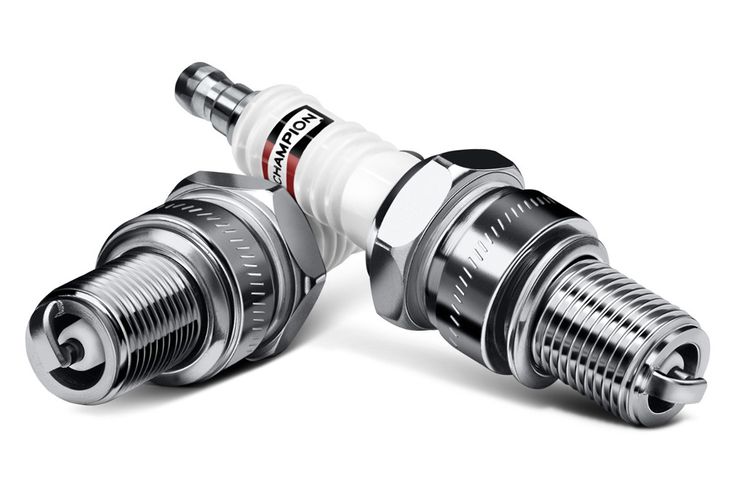
Industrial environments such as oil refineries, chemical plants, pharmaceutical labs, and mines face a risk of explosion due to flammable gases and combustible dust. It refers to engineering techniques that physically isolate electrical components—sparks and heat—from the surrounding hazardous atmosphere while containing any internal ignitions. Explosion‑proof sealing and encapsulation designs incorporate robust enclosures and internal protection systems to prevent external ignition.
How Explosion‑Proof Sealing and Encapsulation Prevent Explosions
Explosion‑Proof Sealing
Explosion‑proof sealing functions by confining sparks and heat within an enclosure, preventing contact with flammable external media. By sealing gaps and entry points, explosion‑proof sealing prevents penetration of dangerous gases, vapors, dust, and moisture. This barrier also protects sensitive equipment from corrosion and electrical failures due to environmental exposure.
Explosion‑Proof Encapsulation
Explosion‑proof encapsulation involves embedding electrical parts in solid or gel-like substances (resin, silicone gel, polyurethane) that limit spark formation and dissipate heat. The encapsulating material suppresses internal ignition and protects components from dust, moisture, vibration, and chemical exposure. Explosion‑proof encapsulation offers a robust layer of protection to critical circuitry within sealed housings.
Combined Approach: Explosion‑Proof Sealing and Encapsulation
Combining explosion‑proof sealing and encapsulation delivers maximum safety in hazardous environments:
-
Explosion‑proof sealing prevents external flammable media from entering the enclosure.
-
Explosion‑proof encapsulation prevents internal spark generation and heat from escaping.
-
Used together, explosion‑proof sealing and encapsulation form a comprehensive safety strategy, meeting regulatory requirements and ensuring operational reliability.
Implementation of Explosion‑Proof Sealing
Explosion‑proof sealing typically relies on: 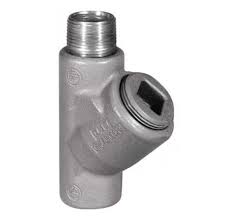
-
O‑rings and sealing gaskets made from rubber, silicone, or durable elastomers, preventing gas/dust ingress.
-
Sealants and coatings applied to internal flanges or openings to block microscopic pathways for hazardous substances.
-
Cable glands, conduit seals, and entry fittings rated for explosion‑proof sealing, ensuring that wiring penetrations maintain enclosure integrity.
Precise material selection, tight tolerances, and robust installation per manufacturer specifications are critical. Degradation due to temperature extremes, chemical exposure, or wear emphasizes the importance of inspection and replacement.
Implementation of Explosion‑Proof Encapsulation
Common methods of explosion‑proof encapsulation include:

Epoxy resin encapsulation: Provides rigid chemical‑resistant protection.
Silicone gel encapsulation: Maintains flexibility across temperature changes and resists moisture.
Polyurethane encapsulation: Offers excellent shock and moisture resistance and mechanical durability.
These encapsulants prevent spark and heat transmission and shield components from harsh environmental stressors. Careful design ensures repairability remains feasible, though encapsulated components are generally more difficult to access.
Maintenance Practices for Explosion‑Proof Sealing and Encapsulation
Routine Inspection of Sealing Elements
Regular checks on gaskets, O-rings, sealants, and cable glands are vital. Replace damaged or worn materials promptly to maintain explosion‑proof sealing integrity.
Periodic Assessment of Encapsulated Components
Inspect encapsulated modules for cracking, degradation, or delamination. Older encapsulation may lose effectiveness due to thermal cycling or chemical exposure.
Strict Adherence to Manufacturer Guidelines
Follow installation, torque specifications, material compatibility, and service renewal schedules to maintain explosion‑proof sealing and encapsulation performance.
Operator and Technician Training
Educate staff on the principles and importance of explosion‑proof sealing and encapsulation. Training should include correct maintenance practices, recognition of wear, and safe handling during repair or replacement.
Environment‑Driven Frequency Adjustments
In particularly harsh environments—such as high temperature, corrosive chemicals, or heavy dust—inspection intervals for explosion‑proof sealing and encapsulation must be shorter, reflecting accelerated wear.
Challenges in Explosion‑Proof Sealing and Encapsulation
-
Material degradation: Sealing gaskets and encapsulants may deteriorate under thermal, chemical, or mechanical stress.
-
Repair difficulty: Encapsulated components can be difficult or costly to repair or replace.
-
Material compatibility: Selection must consider chemical resistance, temperature range, flexibility, and longevity to ensure explosion‑proof sealing and encapsulation effectiveness.
Industries Dependent on Explosion‑Proof Sealing and Encapsulation
Explosion‑proof sealing and encapsulation is crucial in:
-
Oil & Gas: Protects electrical equipment in refining, offshore platforms, and gas pipelines.
-
Chemical Manufacturing: Prevents ignition of volatile chemicals in processing plants.
-
Mining: Shields miners and equipment from combustible dust and gases underground.
-
Pharmaceutical: Keeps volatile solvents or reactive compounds safely contained.
-
Food Processing: Especially in sugar mills, flour plants, or grain handling facilities, explosion‑proof sealing and encapsulation mitigates dust explosion hazards.
FAQ: Explosion‑Proof Sealing and Encapsulation

What is the primary role of explosion‑proof sealing?
To block ingress of flammable gases or dust into electrical enclosures and prevent internal sparks from igniting external hazardous media.
Do sealing and encapsulation work together?
Yes. Explosion‑proof sealing and encapsulation often operate in tandem—sealing keeps hazardous materials out, while encapsulation contains sparks and heat inside.
How often should joints be inspected?
The frequency depends on environmental severity, but regular inspections—aligned with manufacturer guidance—are essential. Harsh conditions require more frequent checking.
What forms of encapsulant are typically used?
Epoxy resin, silicone gel, and polyurethane are common choices depending on required rigidity, flexibility, and chemical resistance.
Which industries commonly apply these techniques?
Oil & gas, chemical processing, mining, pharmaceuticals, and food industries all rely on explosion‑proof sealing and encapsulation for safety.
Best Practices Summary
| Practice | Description |
|---|---|
| Combined Protection | Use both explosion‑proof sealing and encapsulation for maximum safety. |
| High‑Quality Materials | Opt for certified industry-grade elastomers, encapsulants, and enclosures. |
| Regular Maintenance | Inspect and replace seals and encapsulants before degradation risks rise. |
| Manufacturer Compliance | Follow specifications to ensure explosion‑proof sealing and encapsulation remain effective. |
| Staff Training | Ensure technicians understand hazard zones and proper maintenance. |
Conclusion
In hazardous industrial settings, These are key design and maintenance strategies to protect against fire and explosion risks. Explosion‑proof sealing keeps hazardous gases and dust out; explosion‑proof encapsulation prevents sparks and heat from escaping. Together, explosion‑proof sealing and encapsulation deliver a robust safety system. By using suitable materials, inspecting systematically, and following recommended practices, industries can ensure reliable explosion‑proof sealing and encapsulation performance that safeguards personnel, infrastructure, and operations.
Produits et Ressources ATEX Connexes
Découvrez notre gamme d’appareils certifiés ATEX :