


Gas Detectors: 6 Essential Tools to Prevent Invisible Workplace Threats
Gas Detectors help prevent invisible workplace hazards by detecting dangerous gases early, protecting workers, and ensuring safer industrial environments.
Introduction
In industrial environments, safety is not just a requirement—it’s a necessity. Among the essential tools ensuring worker protection, gas detectors play a critical role. These compact yet powerful devices continuously monitor the atmosphere for hazardous gases and provide timely alerts to prevent accidents, injuries, or even fatalities.
Whether in oil refineries, chemical plants, or confined spaces, gas detection systems have become the first line of defense against invisible dangers. This article explores what gas detectors are, how they work, their types, and why ATEX-certified options are vital in hazardous zones.
What Are Gas Detectors?
A gas detector is an electronic device designed to identify the presence of gases in an area—often as part of a safety system. These devices can detect toxic, flammable, or oxygen-depleting gases, ensuring that the air workers breathe is safe. When dangerous levels are detected, alarms are triggered to prompt evacuation or corrective actions.
Modern gas detectors are designed with advanced sensors and ATEX certification, ensuring compliance with international safety standards for use in explosive or hazardous areas.
Why Gas Detection Is Essential
Invisible gases pose one of the greatest risks in industrial environments. Without proper detection systems, leaks can go unnoticed until it’s too late. Here are a few key reasons why every facility should install reliable gas detectors:
-
Prevent Explosions: Flammable gases like methane or propane can ignite if undetected.
-
Protect Human Health: Toxic gases such as hydrogen sulfide (H₂S) or carbon monoxide (CO) can be lethal in small concentrations.
-
Ensure Regulatory Compliance: ATEX-certified gas monitor meet safety regulations for hazardous areas.
-
Continuous Monitoring: Real-time readings and automatic alerts help maintain constant vigilance.
How Gas Detectors Work
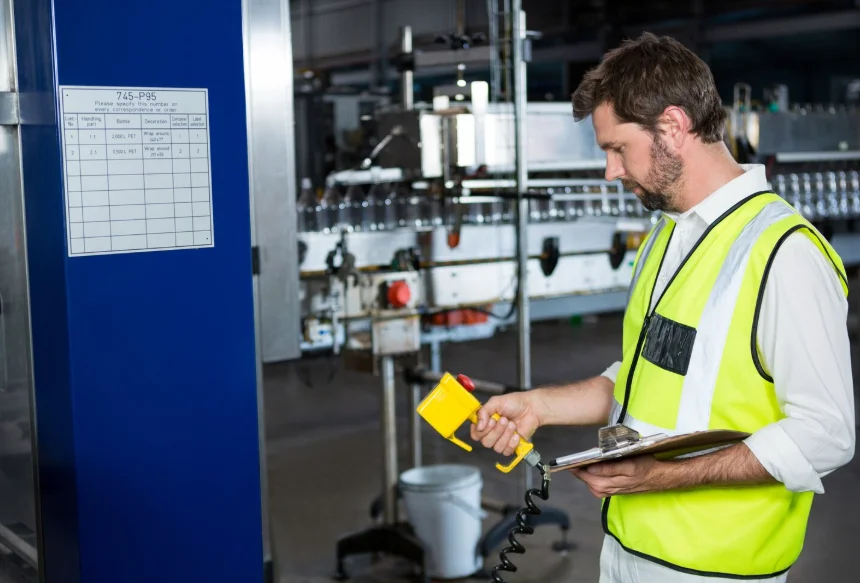
Gas detect system operate through sensors that react to specific gas types. When the gas concentration crosses a pre-set threshold, the sensor triggers an alarm.
The working mechanism generally involves the following components:
-
Sensor: Detects gas molecules.
-
Processor: Interprets the signal from the sensor.
-
Alarm system: Alerts workers visually or audibly when gas levels are unsafe.
Common Sensor Types:
-
Catalytic sensors – detect combustible gases by oxidizing them and measuring heat changes.
-
Infrared sensors – identify hydrocarbon gases by measuring light absorption.
-
Electrochemical sensors – measure toxic gases through chemical reactions that produce electrical currents.
-
Photoionization detectors (PID) – detect volatile organic compounds (VOCs) through ionization.
Types of Gas Detectors
-
Single-Gas Detectors: Designed to monitor one specific gas, ideal for targeted applications.
-
Multi-Gas Detectors: Detect multiple gases simultaneously, offering comprehensive safety coverage.
-
Fixed Gas Detection Systems: Installed permanently in facilities to provide continuous monitoring.
-
Portable Gas Detectors: Compact, battery-powered devices for workers operating in different areas.
-
Wireless Gas Monitor: Offer real-time remote monitoring and integrate with industrial IoT systems.
Applications of Gas Monitor
Gas detectors are used across multiple industries where safety and compliance are critical:
-
Oil & Gas Refineries – Detect flammable gases to prevent explosions.
-
Chemical Manufacturing Plants – Monitor toxic vapors and leaks.
-
Mining Operations – Identify methane or carbon monoxide buildup.
-
Food Processing Units – Ensure safe ammonia levels in refrigeration systems.
-
Construction and Confined Spaces – Maintain safe oxygen levels for workers.
-
Wastewater Treatment Plants – Detect hydrogen sulfide and methane emissions.
Benefits of ATEX-Certified Gas Detectors
Using ATEX-certified gas detectors ensures that the device is safe to operate in explosive environments. These certifications guarantee that the product has undergone rigorous testing for ignition prevention and reliability.
Benefits include:
-
Compliance with European and international safety standards.
-
Reduced risk of fire and explosion.
-
Reliable operation in harsh industrial conditions.
-
Long-term cost savings through durable design and reduced downtime.
Maintenance and Calibration
To maintain accuracy and reliability, gas Monitors require periodic calibration and maintenance.
Best practices include:
-
Performing bump tests before each use.
-
Calibrating sensors at recommended intervals.
-
Keeping detectors clean and dry.
-
Regularly replacing sensor cartridges or batteries.
Proper maintenance ensures that the gas detector remains accurate and continues to meet safety standards.
Choosing the Right Gas Detectors System
When selecting a gas detector, consider the following factors:
-
Type of gases present in your environment.
-
Workplace classification (ATEX Zone 0, 1, or 2).
-
Portability — fixed or handheld device.
-
Battery life and data logging capabilities.
-
Certifications like ATEX, or UL for safety compliance.
Selecting the correct model ensures both regulatory compliance and maximum worker protection.
Future of Gas Detection Technology
As industries move toward smart manufacturing, gas are evolving too. The latest models feature IoT connectivity, cloud-based monitoring, AI-driven analytics, and predictive maintenance capabilities. These advancements improve response times, data accuracy, and overall safety performance.
Conclusion
In hazardous environments, gas monitor are indispensable. They serve as silent guardians, continuously monitoring air quality and alerting workers to unseen dangers.
Investing in ATEX-certified not only protects personnel and equipment but also ensures compliance with international safety standards. As technology evolves, these devices will continue to play a vital role in maintaining safe and efficient industrial operations.
FAQs
1. What is a gas monitor used for?
A gas detector is used to detect harmful or explosive gases in the air, ensuring worker safety.
2. What types of gases can gas sense?
They can detect flammable gases, toxic gases like CO or H₂S, and oxygen levels.
3. How often should gas detectors be calibrated?
Ideally, calibration should be done every 3 to 6 months depending on usage.
4. What is an ATEX-certified gas monitor?
It’s a gas detector tested for safe use in explosive or hazardous zones.
5. What industries need gas detectors most?
Oil & gas, mining, chemical, construction, and wastewater industries.
6. Are portable gas detectors reliable?
Yes, modern portable detectors offer accurate and instant readings.
7. Can gas detectors detect multiple gases at once?
Yes, multi-gas detectors can monitor up to 4–6 gases simultaneously.
8. Do gas detectors need regular maintenance?
Yes, regular maintenance ensures sensor accuracy and device reliability.
9. What is a bump test?
It’s a quick test to verify that the gas monitor sensors and alarms function correctly.
10. What’s the difference between fixed and portable gas detection
Fixed detectors are installed permanently, while portable ones are handheld for mobility.
11. How do infrared gas detection system work?
They detect hydrocarbons by measuring the absorption of infrared light.
12. What’s the lifespan of a gas Monitor?
Typically 3–5 years, depending on model and maintenance.
13. Can gas detection work in extreme temperatures?
Yes, ATEX-certified models are designed for harsh industrial conditions.
14. Why is gas detection important in confined spaces?
Because harmful gases can accumulate quickly and pose immediate health risks.
15. Are gas detection system part of safety compliance standards?
Yes, they are mandatory for compliance in hazardous area regulations like ATEX and IECEx.
Industrial Applications & Real-World Use Cases
In hazardous industrial environments such as oil refineries, petrochemical plants, offshore platforms, and mining operations, reliable communication is a critical safety requirement. Workers in Zone 1 and Zone 21 classified areas face constant exposure to flammable gases, vapors, and combustible dust. Any electronic device used must be intrinsically safe to prevent ignition.
Oil & Gas Operations
Field engineers on drilling rigs, well pads, and production platforms rely on ATEX certified devices for work order management, real-time communication with control rooms, digital permit-to-work systems, and photographic documentation. Our devices are deployed across ADNOC, Saudi Aramco, KOC, KNPC, ONGC, Petrobras, and Shell facilities worldwide.
Refinery & Petrochemical Safety
Process safety management requires continuous communication between operators, maintenance technicians, and HSE personnel. ATEX phones enable instant push-to-talk during turnarounds, emergency responses, and inspection rounds. Explosion-proof tablets allow viewing P&IDs and digital checklists in the field.
Offshore Platform Operations
Offshore environments present salt spray corrosion, extreme weather, and limited charging infrastructure. Our IP68-rated devices withstand these conditions while maintaining Zone 1 certification for crane coordination, emergency mustering, and helicopter manifesting.
Safety Compliance Standards
- ATEX Directive 2014/34/EU — European explosive atmospheres standard
- Ex ia IIC T4 Gb — Zone 1 intrinsic safety for gas groups
- Ex ia IIIC T135°C Db — Zone 21 dust protection
- IP68 — Dust and water protection
- MIL-STD-810H — Military-grade durability
Browse Products → | Request Quote → | Certifications →
Related ATEX Products & Resources
Explore our range of ATEX-certified devices for hazardous areas: