


Explosion-Proof Phone Battery Replacement Guide (2026)
How to Replace Batteries Safely in Explosion-Proof Phones
Replacing a battery might sound simple — but when it comes to explosion-proof phone battery replacement, safety and compliance take center stage. These specialized devices are used in high-risk industrial environments such as oil rigs, chemical plants, and mining zones, where a single spark can trigger catastrophe.
In this article, you’ll learn how to safely replace batteries in explosion-proof phones, step by step, with a strong focus on safety, compliance, and manufacturer guidelines.
Understanding Explosion-Proof Phones
Explosion-proof phones (also called intrinsically safe smartphones) are purpose-built for use in hazardous environments. These devices are specially engineered to prevent ignition caused by internal sparks or heat.
They come certified under globally recognized standards:
-
ATEX (Atmosphères Explosibles) – Standard in Europe.
-
ATEX – International Electro-technical Commission for explosive environments.
-
CSA and UL – Common North American certifications.
These certifications ensure that the phone will not ignite flammable gases, vapors, or dust, even in extreme working conditions. Any action, like battery replacement, must be done with precision to maintain safety compliance.
Safety Precautions Before Explosion-Proof Phone Battery Replacement
Before opening your device, understand that explosion-proof certification is voided until resealed and re-tested. Always follow these precautions:
-
Power Off Completely – Prevent electrical short circuits.
-
Work in a Controlled Environment – Ensure no flammable materials, gases, or dust are present.
-
Wear Anti-Static Gear – Use an anti-static wrist strap or conductor tools.
-
Avoid Metal Tools – Use plastic or anti-static tools to prevent shorting.
-
Use Personal Protective Equipment (PPE) – Gloves and safety goggles are mandatory to avoid battery-related accidents such as leaks or explosions.

Step-by-Step Guide to Explosion-Proof Phone Battery Replacement
1. Consult the User Manual
Explosion-proof phones vary by model. Your manual will provide:
-
Battery compatibility information
-
Required tools
-
Safety instructions
-
Notes about re-certification (if required after opening)
2. Remove the Protective Housing
-
Unscrew all safety screws and remove any protective latches.
-
Do not force the housing open, as this can break waterproof and explosion-proof seals.
3. Disconnect the Battery Connector
-
Gently remove the connector using your fingers or a plastic spudger.
-
Avoid pulling wires directly.
4. Remove the Old Battery
-
If the battery is glued, apply isopropyl alcohol to loosen the adhesive.
-
Carefully lift the battery without bending, puncturing, or crushing it.
-
Damaged lithium-ion batteries can emit gas or even ignite.
5. Inspect the Battery Bay
-
Check for corrosion, residue, or moisture.
-
Clean with a dry, lint-free cloth only.
-
Do not use water or harsh chemicals.
6. Install the New Certified Battery
-
Only use OEM-authorized batteries.
-
Align properly and push gently into place.
-
Reconnect the battery using gentle pressure, not force.
7. Reseal the Phone Housing
-
Double-check that gaskets and seals are properly aligned.
-
Improper sealing can invalidate explosion-proof certification.
-
If required, conduct leak or pressure tests.
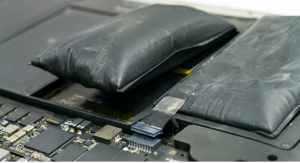
What to Do with Damaged or Swollen Batteries
Damaged batteries are a serious hazard in explosive environments. Follow these steps:
-
Do not puncture or compress a swollen battery.
-
Store in a fireproof, non-metallic container.
-
Dispose of at certified hazardous waste facilities or through the device manufacturer’s battery return program.
Why Only Use Authorized Replacement Batteries
Using counterfeit or uncertified batteries in an explosion-proof phone is both dangerous and illegal.
Non-certified batteries may:
-
Lack thermal management
-
Be incompatible in size or voltage
-
Have no short-circuit protection
-
Compromise the phone’s intrinsic safety features
Only use manufacturer-approved batteries to maintain safety compliance and preserve device integrity.
When to Call a Professional Technician
If you’re unsure about replacing your battery, or if your device is under warranty, avoid DIY repair. Instead:
-
Contact an authorized service center for proper handling.
-
Request repair documentation for safety and compliance records.
-
Ensure that the phone is re-tested and certified after repair.
Common Mistakes to Avoid During Explosion-Proof Phone Battery Replacement
Even trained personnel can sometimes overlook crucial steps when replacing batteries in explosion-proof phones. Avoiding these common mistakes ensures both safety and certification retention:
-
Skipping certification checks after reassembly can render the device non-compliant.
-
Using unapproved tools like metal screwdrivers increases the risk of sparks.
-
Forcing battery removal may puncture lithium-ion cells, leading to fire hazards.
-
Not testing the seals properly after closing the device compromises the explosion-proof enclosure.
Always follow manufacturer protocols and consult safety officers if unsure.
How Often Should You Replace Batteries in Explosion-Proof Phones?
The Explosion-Proof Phone Battery cycle for explosion-proof phone batteries depends on usage patterns, environmental conditions, and manufacturer guidelines. On average:
-
Every 18–24 months under normal use
-
Annually if used in extreme temperatures or continuous operation
-
Immediately if swelling, overheating, or fast drain is observed
Regular monitoring of battery health helps prevent operational downtimes and safety hazards. Scheduled explosion-proof phone battery replacement keeps your equipment reliable and safe.
Environmental Considerations in Hazardous Zones
In high-risk industries like oil and gas, mining, and chemical processing, environmental factors significantly impact battery safety. These include:
-
Extreme heat or humidity
-
Vibration and shock exposure
-
Presence of explosive gases or dust
In such zones, even minor deviations during Explosion-Proof Phone Battery can become critical. Therefore, explosion-proof phones should only be serviced by trained professionals or under strict supervision.
Explosion-Proof Phone Battery Replacement Done Right
Handling an explosion-proof phone battery replacement is far more complex than with a regular smartphone. Your actions can directly impact the safety, compliance, and performance of the device.
Use certified replacement batteries
Follow the manufacturer’s manual
Work in a safe, clean, and static-free environment
Avoid shortcuts that could compromise safety
Call professionals when needed
In high-risk industrial settings, safety is not optional — it’s mission-critical. When in doubt, leave it to the experts and protect both your equipment and your life.
Industrial Applications & Real-World Use Cases
In hazardous industrial environments such as oil refineries, petrochemical plants, offshore platforms, and mining operations, reliable communication is a critical safety requirement. Workers in Zone 1 and Zone 21 classified areas face constant exposure to flammable gases, vapors, and combustible dust. Any electronic device used must be intrinsically safe to prevent ignition.
Oil & Gas Operations
Field engineers on drilling rigs, well pads, and production platforms rely on ATEX certified devices for work order management, real-time communication with control rooms, digital permit-to-work systems, and photographic documentation. Our devices are deployed across ADNOC, Saudi Aramco, KOC, KNPC, ONGC, Petrobras, and Shell facilities worldwide.
Refinery & Petrochemical Safety
Process safety management requires continuous communication between operators, maintenance technicians, and HSE personnel. ATEX phones enable instant push-to-talk during turnarounds, emergency responses, and inspection rounds. Explosion-proof tablets allow viewing P&IDs and digital checklists in the field.
Offshore Platform Operations
Offshore environments present salt spray corrosion, extreme weather, and limited charging infrastructure. Our IP68-rated devices withstand these conditions while maintaining Zone 1 certification for crane coordination, emergency mustering, and helicopter manifesting.
Safety Compliance Standards
- ATEX Directive 2014/34/EU — European explosive atmospheres standard
- Ex ia IIC T4 Gb — Zone 1 intrinsic safety for gas groups
- Ex ia IIIC T135°C Db — Zone 21 dust protection
- IP68 — Dust and water protection
- MIL-STD-810H — Military-grade durability
Browse Products → | Request Quote → | Certifications →
Related ATEX Products & Resources
Explore our range of ATEX-certified devices for hazardous areas: