


IP66 Explosion-Proof Enclosure: 5 Powerful Ways to Prevent Dangerous Failures
IP66 Explosion-Proof Enclosure ensures reliable protection against dust, water, and explosive hazards—preventing failures and improving industrial safety.
Introduction
IP66 Explosion-Proof Enclosure is essential for protecting electrical and electronic components in industries where flammable gases, vapors, or combustible dust are present. In such hazardous environments, safety and regulatory compliance are critical.
Designed to deliver a high level of protection, the IP66 explosion-proof enclosure safeguards sensitive equipment against dust ingress, powerful water jets, and explosive risks. This article explores its importance, construction, and key benefits, helping industries ensure reliable and safe operations in high-risk zones.
What Is an IP66 Explosion-Proof Enclosure?
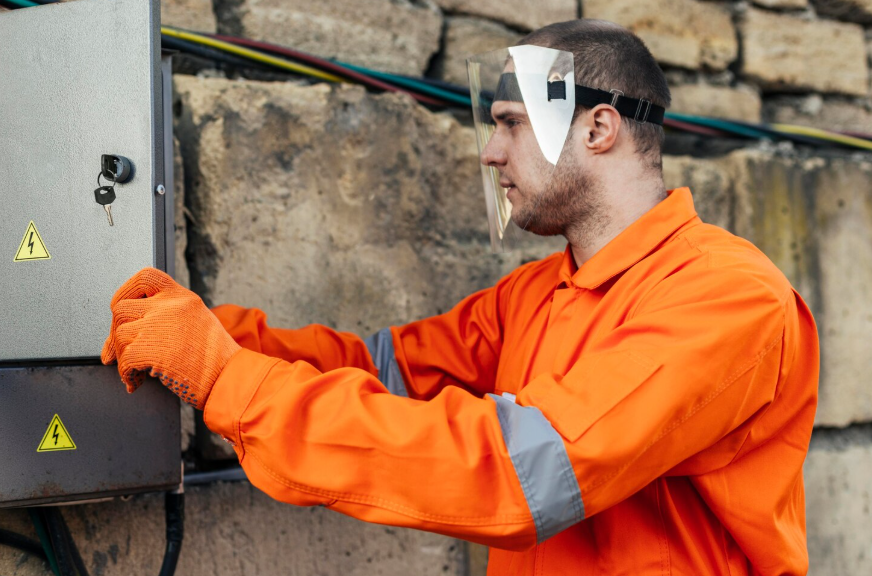
An IP66 explosion-proof enclosure is a robust housing designed to prevent internal explosions from spreading to the surrounding atmosphere.
The “IP66” rating specifies the Ingress Protection level — the first digit “6” means complete protection against dust, while the second “6” means strong protection against powerful water jets.
These enclosures are essential for hazardous locations such as:
-
Chemical processing plants
-
Oil and gas refineries
-
Offshore platforms
-
Mining operations
-
Power generation facilities
They ensure that sparks or heat from internal components do not ignite external flammable substances.
Key Features of IP66 Explosion-Proof Enclosures
-
High-Grade Material Construction
Usually made from stainless steel, aluminum, or GRP (Glass Reinforced Polyester) to ensure durability and corrosion resistance. -
Flameproof Design
Designed to contain any internal explosion and prevent flames or hot gases from escaping. -
Water and Dust Resistance
IP66 protection makes it ideal for outdoor and industrial use, even in harsh weather or dusty conditions. -
Temperature Resistance
Can operate efficiently in extreme temperature ranges from -40°C to +60°C. -
Compliance with ATEX Standards
These enclosures are certified for use in Zone 1, Zone 2, Zone 21, and Zone 22 hazardous areas, ensuring global safety compliance.
Technical Specifications (Typical)
| Parameter | Details |
|---|---|
| Protection Rating | IP66 / Ex d IIB / IIC |
| Material | Stainless Steel 316L / Aluminum Alloy |
| Surface Finish | Powder Coated / Polished |
| Operating Temperature | -40°C to +60°C |
| Cable Entry | M20–M63 (customizable) |
| Mounting | Wall-mounted / Floor-mounted |
| Certifications | ATEX, CE |
Applications of IP66 Explosion-Proof Enclosures
-
Oil and Gas Industry – For protecting junction boxes, switches, and monitoring equipment.
-
Chemical Plants – For enclosing control units in explosive gas environments.
-
Mining Operations – Ensures safety where methane gas or coal dust is present.
-
Pharmaceutical Manufacturing – Protects sensitive electronic devices in solvent-rich environments.
-
Marine and Offshore – Corrosion-resistant design ideal for coastal and offshore rigs.
Advantages of Using IP66 Explosion-Proof Enclosures
-
Enhanced Safety – Prevents ignition of explosive gases and dust.
-
Weatherproof Protection – IP66 rating ensures performance under heavy rain and dust storms.
-
Long Service Life – Built to last even in aggressive industrial conditions.
-
Regulatory Compliance – Meets international ATEX requirements.
-
Flexible Design – Available in different sizes and materials to fit specific needs.
Installation and Maintenance Tips
-
Always ensure proper grounding and tight cable entries to maintain the IP66 seal.
-
Use approved explosion-proof glands for all cable connections.
-
Inspect seals and gaskets regularly for cracks or damage.
-
Avoid over-tightening bolts, as it can compromise the flameproof joint integrity.
-
Verify all certification labels before installation in hazardous areas.
Difference Between IP65, IP66, and IP67 Enclosures
| Rating | Dust Protection | Water Protection | Typical Use |
|---|---|---|---|
| IP65 | Fully dust-tight | Protected from water jets | Indoor/outdoor mild exposure |
| IP66 | Fully dust-tight | Protected from powerful water jets | Outdoor industrial use |
| IP67 | Fully dust-tight | Protected from temporary immersion | Underwater or deep cleaning environments |
The IP66 explosion-proof enclosure offers the best balance between dust and water protection, making it the most versatile choice for hazardous industries.
Certifications and Standards
These enclosures comply with major international standards such as:
-
ATEX Directive 2014/34/EU
-
ATEX certification System
-
EN 60079-0 / EN 60079-1 / EN 60079-31
-
UL and CSA Standards (for North America)
Each certification ensures safety and quality assurance across different global markets.
Why Choose IP66 Explosion-Proof Enclosures?
Using an IP66 explosion-proof enclosure is not just about compliance—it’s about ensuring safety, reliability, and performance. Whether you’re securing control systems, junction boxes, or lighting components, these enclosures provide unmatched protection in volatile industrial environments.
By combining IP66 ingress protection with explosion-proof products, they deliver the highest level of defense against both environmental and explosive hazards.
Conclusion
The IP66 explosion-proof enclosure is a cornerstone of industrial safety, ensuring that electrical and electronic systems operate safely in the most challenging environments. Its robust design, global certifications, and weatherproof features make it indispensable across industries such as oil & gas, chemical, and marine sectors.
For industries prioritizing safety, durability, and compliance, an IP66 explosion-proof enclosure is the ultimate choice.
FAQs
1. What does IP66 mean in an explosion-proof enclosure?
It means the enclosure is completely dust-tight and protected against powerful water jets.
2. Where are IP66 explosion-proof enclosures used?
They’re used in oil & gas plants, chemical industries, mining, and offshore environments.
3. Are IP66 enclosures waterproof?
Yes, they can resist strong water jets but are not designed for underwater use.
4. Are they ATEX certified?
Yes, most IP66 explosion-proof enclosures come with ATEX certifications.
5. Can I customize the size and material?
Yes, manufacturers offer various custom options depending on your installation needs.
Industrial Applications & Real-World Use Cases
In hazardous industrial environments such as oil refineries, petrochemical plants, offshore platforms, and mining operations, reliable communication is a critical safety requirement. Workers in Zone 1 and Zone 21 classified areas face constant exposure to flammable gases, vapors, and combustible dust. Any electronic device used must be intrinsically safe to prevent ignition.
Oil & Gas Operations
Field engineers on drilling rigs, well pads, and production platforms rely on ATEX certified devices for work order management, real-time communication with control rooms, digital permit-to-work systems, and photographic documentation. Our devices are deployed across ADNOC, Saudi Aramco, KOC, KNPC, ONGC, Petrobras, and Shell facilities worldwide.
Refinery & Petrochemical Safety
Process safety management requires continuous communication between operators, maintenance technicians, and HSE personnel. ATEX phones enable instant push-to-talk during turnarounds, emergency responses, and inspection rounds. Explosion-proof tablets allow viewing P&IDs and digital checklists in the field.
Offshore Platform Operations
Offshore environments present salt spray corrosion, extreme weather, and limited charging infrastructure. Our IP68-rated devices withstand these conditions while maintaining Zone 1 certification for crane coordination, emergency mustering, and helicopter manifesting.
Safety Compliance Standards
- ATEX Directive 2014/34/EU — European explosive atmospheres standard
- Ex ia IIC T4 Gb — Zone 1 intrinsic safety for gas groups
- Ex ia IIIC T135°C Db — Zone 21 dust protection
- IP68 — Dust and water protection
- MIL-STD-810H — Military-grade durability
Browse Products → | Request Quote → | Certifications →
Related ATEX Products & Resources
Explore our range of ATEX-certified devices for hazardous areas:
Selecting the Right Device for Your Operation
Choosing the correct explosion-proof device depends on your specific operational requirements, environmental conditions, and workflow needs. Here are the key factors to consider when evaluating intrinsically safe communication equipment for your facility:
For Field Operators and Technicians
Personnel performing daily rounds, equipment inspections, and maintenance tasks benefit from compact phones with long battery life and rugged construction. The EX72 Plus delivers excellent balance between size, durability, and Zone 1 certified functionality for hands-on field work.
For Engineers and Supervisors
Professionals who need to reference drawings, access CMMS systems, review data trends, and manage digital permits require larger displays and more processing power. The EX 101 Ultra and INFINITY EX 100 PRO provide the performance needed for these demanding tasks while maintaining full ATEX certification.
For Tablet-Based Workflows
Operations transitioning to digital permit-to-work, electronic logbooks, or tablet-based inspection systems need larger screen formats. The TL110 5G Tablet provides a desktop-class experience in a Zone 1 rated package, ideal for control room extensions, field engineering, and supervisor walkdowns.
Key Selection Criteria
- Zone classification of your operating environment (Zone 1 gas and/or Zone 21 dust)
- Temperature range at your facility (our devices operate from minus 20 to plus 60 degrees Celsius)
- Battery duration needed for your shift length (8, 12, or 16 hour shifts)
- Application requirements such as SAP, push-to-talk, camera quality, or GPS accuracy
- Network compatibility with your facility communications infrastructure
Contact our team for a personalized device recommendation based on your specific operational requirements.