


Safety management in hazardous material handling factories requires explosion-proof equipment for maintaining safe results. The specialized equipment in oil refineries and chemical plants together with pharmaceutical labs depends on this specific equipment to minimize hazardous events which can result from flammable gases and dust or vapors. The installation of explosion-proof equipment represents a fundamental requirement but does not complete the safety requirements. System performance safety together with effectiveness depends on consistent annual maintenance examinations of these devices.
Why Annual Maintenance Matters?
Equipment designed for explosive conditions exists within extreme conditions which appear in industrial locations. Eventual equipment degradation happens due to normal usage and affects its fundamental structural system. Annual inspections help devices to keep operating while maintaining safety compliance standards and providing reliable protection against unsafe incidents in workplace settings.
The requirement of annual maintenance protects both operative safety and legal compliance along with presenting a financial obligation to the organization. The European Union (ATEX) together with the United States (UL) and globally (ATEX) maintain legislation which demands regular equipment maintenance to guarantee safety together with operational readiness of explosion-proof equipment. A failure to maintain equipment can generate significant risks for organizations, including both operational shutdowns together with equipment failure and legal penalties.
Key Aspects of Annual Maintenance
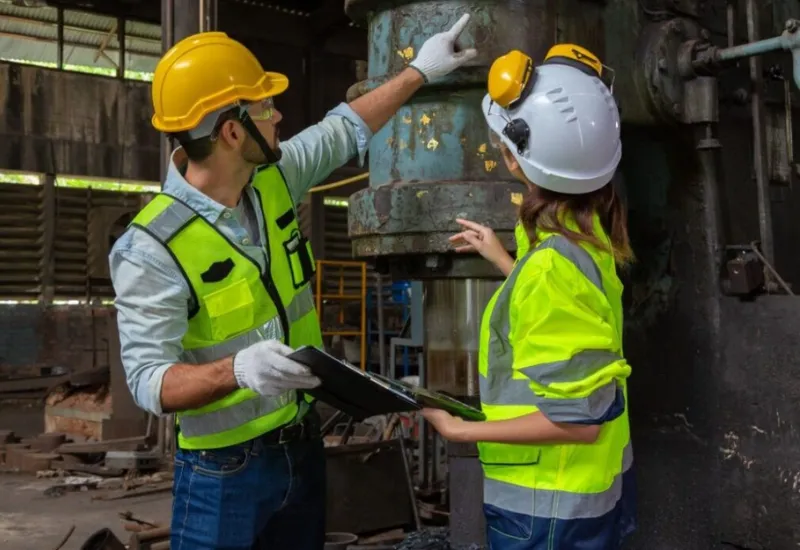
- Visual inspections of explosion-proof devices need to be performed routinely to evaluate how their external structure remains. You need to check for evidence of deterioration as well as rust damage, split areas, and harms to protective housings. The possibility of safety risks exists when minor damage emerges in dangerous surroundings and therefore requires immediate resolution.
- Safety tests should be conducted on all electrical components within built-in wiring and circuits that make up explosion-proof devices. Periodic testing should be performed on these components to discover either flaws or signs of deterioration. By implementing a malfunctioning electrical system, the system will generate sparks or short circuits, resulting in hazardous zone explosion risks.
- Explosion-proof equipment becomes less functional because dust, dirt, and grime develop on its surface. Operating equipment in a clear state is essential to maintain safety because contaminants need to be removed to avoid compromising equipment functionality. Smooth operation in equipment demands lubrication, specifically for motors as well as moving parts.
- Regular inspections of explosion-proof equipment include checking both seals and gaskets because they maintain safety performance and equipment integrity. Safety parts included in the equipment prevent dangerous substances from penetrating inside. Regular inspection of maintenance-sealed components remains necessary because their deterioration rate impacts equipment performance.
- The explosion-proof equipment commonly uses detectors that identify hazardous substances throughout operations. A proper calibration method needs to be performed on the sensors so they provide correct detection results. Regular calibration helps equipment to trigger safety systems properly during hazardous condition detection.
Compliance and Legal Considerations
The performance of equipment depends on regular maintenance which also helps organizations meet their obligations to international and local safety regulations. Regulatory bodies including ATEX (Europe) and ATEX (global) together with UL (USA) require that explosion-proof equipment maintenance reach certain standards for safety and functionality assurance.
The non-compliance with these safety regulations will lead companies to face major financial penalties along with operations shutdowns. The failure to execute proper maintenance causes damage to corporate reputation and higher insurance costs in addition to possible legal consequences following accidents.
The Hidden Costs of Neglecting Maintenance
When people ignore proper maintenance of explosion-proof equipment, they expose their operations to heavy financial risks. Equipment failure events trigger blasts by nature, which leads to extensive damage, mutilation, and possibly fatal consequences. Such incidents lead to financial losses that are much higher than what maintenance expenses would cost.
Companies that neglect equipment maintenance will experience increased insurance costs until they lose their insurance coverage completely. Insurance companies need evidence of regular maintenance services as well as evidence of safety standard compliance during their inspections. Companies that fail to maintain proper documentation face serious consequences, including losing insurance protection or having to pay elevated insurance costs for any incident.
Staff Training and Awareness
The implementation of proper maintenance requires qualified workers for effective results. Every member of the maintenance staff needs to understand how critical each checkpoint is, along with recognizing its corresponding safety risks. The company maintains regular training to keep all maintenance personnel informed about the latest safety rules and proper procedures.
FAQs
Q: What are the essential reasons behind performing annual maintenance checks on equipment which has explosion-proof specifications?
The annual maintenance practice helps keep equipment operational with safe conditions thus avoiding potential equipment failures with their explosive consequences.
Q: According to what standard should inspection frequencies be determined for explosion-proof equipment?
The standard practice for equipment maintenance is once a year yet extra inspections can be needed based on the environment in question. Users should always perform maintenance according to manufacturer-defined timeframes.
Q: The consequences during maintenance neglect include?
Equipment maintenance dereliction leads directly to device breakdowns while simultaneously multiplying explosion risks and triggering both legal consequences and insurance difficulties and hurting organizational reputation.
Q: I need to follow what steps to take to maintain compliance with safety regulations?
Equipment must hold certificates issued by ATEX and UL among other authorized regulatory bodies. Staying compliant depends on two main factors: performing regular maintenance with current documentation records.
Q: Can explosion-proof equipment be cleaned?
Regular cleaning of explosion-proof equipment prevents dust and debris buildup according to safety best practices. Please follow the equipment manufacturer’s instructions to clean without causing any harm to the system.
Conclusion
Every year, explosion-proof equipment requires mandatory inspections for maintaining workplace and personnel safety. Performed checks guard equipment stability alongside regulatory compliance and safeguard the company from damage claims. Proficient maintenance expenses represent a security investment, which gives companies protection from serious financial losses stemming from mishandled important work.
Industrial Applications & Real-World Use Cases
In hazardous industrial environments such as oil refineries, petrochemical plants, offshore platforms, and mining operations, reliable communication is a critical safety requirement. Workers in Zone 1 and Zone 21 classified areas face constant exposure to flammable gases, vapors, and combustible dust. Any electronic device used must be intrinsically safe to prevent ignition.
Oil & Gas Operations
Field engineers on drilling rigs, well pads, and production platforms rely on ATEX certified devices for work order management, real-time communication with control rooms, digital permit-to-work systems, and photographic documentation. Our devices are deployed across ADNOC, Saudi Aramco, KOC, KNPC, ONGC, Petrobras, and Shell facilities worldwide.
Refinery & Petrochemical Safety
Process safety management requires continuous communication between operators, maintenance technicians, and HSE personnel. ATEX phones enable instant push-to-talk during turnarounds, emergency responses, and inspection rounds. Explosion-proof tablets allow viewing P&IDs and digital checklists in the field.
Offshore Platform Operations
Offshore environments present salt spray corrosion, extreme weather, and limited charging infrastructure. Our IP68-rated devices withstand these conditions while maintaining Zone 1 certification for crane coordination, emergency mustering, and helicopter manifesting.
Safety Compliance Standards
- ATEX Directive 2014/34/EU — European explosive atmospheres standard
- Ex ia IIC T4 Gb — Zone 1 intrinsic safety for gas groups
- Ex ia IIIC T135°C Db — Zone 21 dust protection
- IP68 — Dust and water protection
- MIL-STD-810H — Military-grade durability
Browse Products → | Request Quote → | Certifications →
Related ATEX Products & Resources
Explore our range of ATEX-certified devices for hazardous areas: