


Intrinsically Safe Certification: Ensuring Safety in Hazardous Environments
In industries where flammable gases, vapors, or combustible dust are present, safety is not optional—it’s a legal and operational necessity. Intrinsically Safe Certification is a globally recognized method of ensuring that electrical and electronic equipment will not ignite an explosive atmosphere. This certification is essential in hazardous industries such as oil & gas, mining, petrochemicals, and manufacturing.
In this guide, we’ll explore what intrinsically safe certification means, the standards behind it, its benefits, and the industries that depend on it.
What is Intrinsically Safe Certification?
Intrinsically Safe Certification is a qualification given to devices that are designed to operate safely in hazardous environments by limiting the energy—electrical and thermal—available in a circuit. This limitation ensures that even in the case of a fault, the device cannot produce a spark or heat sufficient to cause ignition.
The term “intrinsically safe” comes from the principle that the safety is built into the equipment rather than relying solely on external protective measures.
Why is Intrinsically Safe Certification Important?
Explosive atmospheres exist in many workplaces, including:
-
Oil refineries
-
Chemical processing plants
-
Grain silos
-
Underground mines
In such environments, a single spark can cause catastrophic damage. Intrinsically Safe Certification ensures that:
-
Equipment will not ignite a hazardous atmosphere
-
Workers remain protected
-
Compliance with legal safety requirements is met
-
Insurance and liability risks are minimized
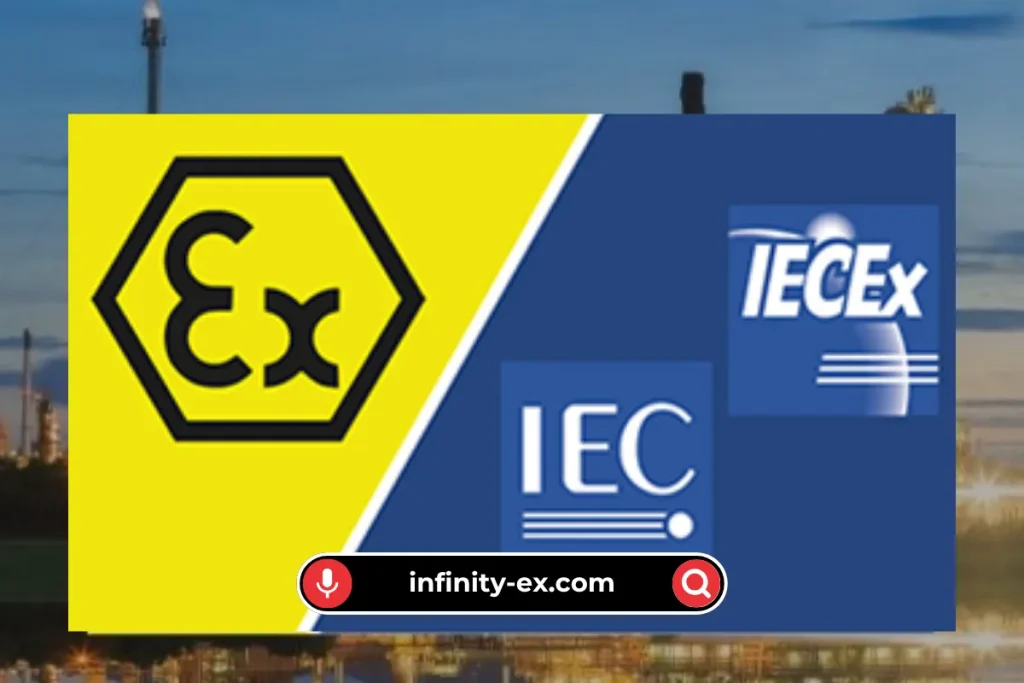
Global Standards for Intrinsically Safe Certification
Different regions have their own certification standards:
1. ATEX (Europe)
-
Mandatory for equipment used in explosive atmospheres in the EU.
-
Two main directives:
-
ATEX 114 (Product Directive)
-
ATEX 153 (Worker Safety Directive)
-
2. (International)
-
A global certification system for equipment used in explosive atmospheres.
-
Recognized in multiple countries outside the EU.
3. NEC / Class & Division System (USA)
-
National Electrical Code standards define hazardous locations as Class I, II, and III with Divisions 1 and 2.
4. Other National Standards
-
Canada: CSA
-
Australia/New Zealand: ANZEx
How Does Equipment Achieve Intrinsically Safe Certification?
The process involves:
-
Design Phase – Engineers limit voltage and current so ignition is impossible.
-
Material Selection – Components are chosen to withstand harsh environments.
-
Testing – Independent labs test under worst-case fault conditions.
-
Certification Issuance – Authorized bodies issue compliance documents.
-
Ongoing Audits – Regular inspections ensure standards are maintained
Industries That Require Intrinsically Safe Certification
-
Oil and Gas – Drilling platforms, refineries, pipelines
-
Mining – Underground coal and mineral mines
-
Chemical Manufacturing – Plants producing flammable chemicals
-
Pharmaceuticals – Processes involving volatile solvents
-
Food Processing – Grain mills, sugar plants with combustible dust
Benefits of Intrinsically Safe Certified Equipment
-
Enhanced Worker Safety – Prevents accidents and explosions
-
Regulatory Compliance – Meets legal safety requirements
-
Lower Insurance Premiums – Reduced risk means lower costs
-
Operational Continuity – Prevents shutdowns caused by accidents
-
Global Market Access – Certified equipment can be sold worldwide
Difference Between Intrinsically Safe and Explosion-Proof
| Feature | Intrinsically Safe | Explosion-Proof |
|---|---|---|
| Design Concept | Prevents ignition by limiting energy | Contains explosion within a rugged enclosure |
| Weight | Lightweight | Heavy and bulky |
| Maintenance | Easier | More complex |
| Application | Ideal for portable devices | Common for fixed installations |

Maintenance of Intrinsically Safe Devices
Even certified devices require:
-
Regular inspections
-
Replacement of damaged components with approved parts
-
Keeping certification labels intact
-
Following manufacturer maintenance instructions
Future of Intrinsically Safe Certification
As industries adopt IoT and wireless communication, intrinsically safe designs are evolving to include:
-
Smart sensors
-
5G-enabled devices
-
Real-time monitoring systems
Intrinsically Safe Certification is not just a regulatory requirement—it’s a life-saving standard that ensures safety in the most hazardous workplaces. From oil rigs to grain silos, it plays a critical role in protecting lives, property, and the environment.
FAQs about Intrinsically Safe Certification
-
What does Intrinsically Safe Certification mean?
It means the equipment is designed to prevent ignition in explosive atmospheres by limiting electrical and thermal energy. -
Who needs Intrinsically Safe Certification?
Any industry operating in hazardous environments, such as oil, gas, mining, and chemical plants. -
Is intrinsically safe the same as explosion-proof?
No, intrinsically safe prevents ignition, while explosion-proof contains an explosion. -
How do I know if my equipment is intrinsically safe?
Check the certification label and compliance documents from a recognized authority. -
Which standards apply to intrinsically safe equipment in Europe?
The ATEX directive applies. -
Is accepted in the USA?
Not directly; the USA follows NEC Class/Division or Zone system, but is widely respected. -
Can I modify intrinsically safe equipment?
No, modifications can void the certification and make the device unsafe. -
What are hazardous zones?
Classifications that define the likelihood of an explosive atmosphere being present. -
Does intrinsically safe mean waterproof?
Not necessarily; waterproofing is a separate feature. -
Can smartphones be intrinsically safe certified?
Yes, some rugged smartphones are designed and certified for hazardous areas. -
Is maintenance different for intrinsically safe equipment?
Yes, only approved parts and trained technicians should be used. -
Does intrinsically safe certification expire?
The certification remains valid as long as the device is unmodified and maintained. -
What is the testing process for intrinsically safe equipment?
It involves simulating worst-case fault conditions to ensure no ignition is possible. -
Can intrinsically safe equipment be used in all hazardous zones?
It depends on the certification rating; some are suitable for Zone 0, others only for Zone 1 or 2 -
Why is intrinsically safe certification important?
It ensures worker safety, reduces legal risks, and allows compliance with global safety standards
Produtos e Recursos ATEX Relacionados
Explore nossa linha de dispositivos certificados ATEX: