


Remote Collaboration Tools: 5 Smart Ways to Boost Safety & Cut Risk
Remote Collaboration Tools help hazardous industries boost safety, reduce risk, and improve efficiency through secure, real-time communication.
Introduction
In industries like oil and gas, mining, chemical processing, and manufacturing, safety is the top priority. Modern technology, especially remote collaboration tools, plays a vital role in improving both communication and productivity in these high-risk sectors. With the help of explosion-proof devices, these digital systems allow teams to collaborate efficiently without compromising safety.
As industrial operations continue to digitize, the integration of remote collaboration tools has revolutionized field operations, inspections, and maintenance processes. These tools enable real-time communication and data sharing among teams working in explosive or hazardous zones—bridging the gap between safety and connectivity.
Understanding Explosion-Proof Devices
Explosion-proof devices are specialized tools designed to operate safely in explosive atmospheres. They prevent internal sparks or heat from causing external ignition. Certified under global standards such as ATEX (Atmosphères Explosibles) and ATEX, these devices allow industries to use electronic equipment safely in areas where flammable gases, vapors, or dust are present.
By integrating remote collaboration tools with explosion-proof smartphones, tablets, and communication headsets, workers can safely access digital data, share reports, and conduct live video communications—enhancing both efficiency and safety in operations.
The Growing Importance of Remote Collaboration Tools
Remote collaboration tools are no longer limited to office environments. Industrial sectors now depend heavily on them for real-time field coordination and data-driven decision-making. In facilities like offshore oil rigs, refineries, or mining sites, these tools allow teams to stay connected even when they’re physically apart.
Traditional laptops and mobile devices cannot be used in explosive zones (Zone 1 or Zone 2). That’s where explosion-proof equipment integrated with remote collaboration tools becomes crucial. Engineers, supervisors, and technicians can now share live updates, troubleshoot issues, and conduct digital inspections without entering high-risk areas.
Key Benefits of Remote Collaboration Tools in Industrial Environments
1. Enhanced Safety
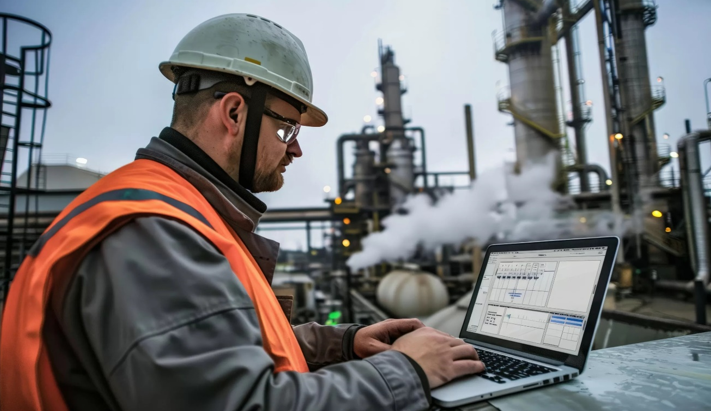
Remote collaboration tools reduce the need for workers to physically visit hazardous zones. Using explosion-proof tablets or smart helmets, workers can stream live data or video calls to off-site experts for assistance. This minimizes risk exposure and ensures compliance with safety standards.
2. Real-Time Communication
The integration of 5G-enabled explosion-proof tablets and remote collaboration software allows seamless communication across multiple locations. Teams can engage in video conferencing, instant messaging, or screen sharing, ensuring that decisions are made quickly based on accurate, up-to-date information.
3. Cost and Time Efficiency
By minimizing travel and on-site supervision requirements, remote collaboration tools help companies reduce costs significantly. Remote experts can provide real-time guidance to on-field technicians, saving time that would otherwise be spent waiting for specialist visits.
4. Improved Maintenance and Inspections
Technicians equipped with ATEX-certified tablets can document issues, record high-definition photos or videos, and upload maintenance forms directly through remote collaboration platforms. These tools streamline inspections, documentation, and reporting—reducing errors and downtime.
5. Remote Training and Support
One of the most innovative uses of remote collaboration tools is in training. Through augmented reality (AR) and video-based instructions, new employees can be trained remotely on equipment handling, safety procedures, and maintenance processes—even in restricted areas.
Explosion-Proof Devices Empowering Remote Collaboration
Explosion-proof smartphones, tablets, and headsets come equipped with features that support remote collaboration tools. High-resolution cameras, long-lasting batteries, and durable designs make them perfect for rugged environments.
For example, an oil rig technician can use an ATEX-certified tablet to broadcast live footage to a control center. Remote engineers can analyze the visuals, suggest maintenance steps, and guide the technician—all through integrated collaboration software like Microsoft Teams, Zoom, or industry-specific AR platforms.
Wearable explosion-proof devices, including smart helmets and AR glasses, allow hands-free operations. Workers can view real-time instructions, communicate with control rooms, and share on-field data instantly—enhancing both safety and productivity.
Data Security and Compliance
Security is a key component of remote collaboration tools in industrial settings. These tools must ensure encrypted communication, secure login access, and centralized management to protect sensitive operational data.
Explosion-proof devices that support remote collaboration platforms comply with cybersecurity and safety standards such as ATEX, and ISO. This ensures not just physical safety but also digital integrity, reducing the risk of data breaches or unauthorized access.
How Remote Collaboration Tools Transform Field Operations
Remote collaboration tools are redefining how maintenance, inspection, and emergency response are handled in industries.
-
Maintenance Optimization: Real-time streaming allows maintenance engineers to assess issues remotely and guide field workers step by step.
-
Emergency Response: During accidents or safety incidents, immediate communication with remote safety teams helps in quick decision-making.
-
Data Sharing: Cloud-based collaboration ensures that every stakeholder has access to the latest reports, sensor readings, and visual evidence.
By integrating with IoT systems and predictive maintenance software, remote collaboration tools help identify potential failures before they occur—saving millions in downtime costs.
Use Cases: Remote Collaboration in the Oil & Gas Industry
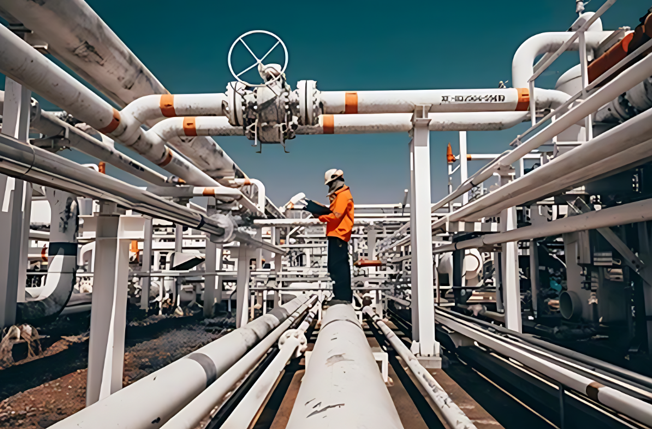
The oil and gas industry is one of the biggest beneficiaries of remote collaboration tools. Offshore drilling platforms now rely heavily on ATEX-approved communication systems for seamless collaboration between field teams and remote experts.
-
Digital Inspections: Workers use explosion-proof tablets to capture data, photos, and maintenance logs directly from hazardous zones.
-
Live Monitoring: Remote experts can observe drilling operations and provide immediate feedback.
-
Cloud Integration: Data collected from on-site devices syncs with cloud systems, ensuring real-time analysis and central control.
These advancements have significantly improved operational safety and reduced downtime in high-risk environments.
The Future of Remote Collaboration and Industrial Safety
As we move deeper into the Industry 4.0 era, the fusion of remote collaboration tools, AI, and IoT will revolutionize industrial communication even further. Future explosion-proof devices will likely feature:
-
AI-driven predictive analytics
-
5G and edge computing for faster response
-
Augmented Reality-based collaboration
-
Enhanced cybersecurity frameworks
These technologies will enable instant decision-making, smarter maintenance, and more secure communication—creating an ecosystem where efficiency and safety coexist seamlessly.
Conclusion
The integration of remote collaboration tools with explosion-proof devices is transforming the way industries operate in hazardous environments. By ensuring both connectivity and compliance, these tools bridge the gap between field operations and centralized control.
In the era of digital transformation, the combination of remote collaboration tools, ATEX-certified hardware, and cloud technology is enabling safer, smarter, and more efficient workflows across industries. For oil and gas, mining, and manufacturing sectors, this is more than just innovation—it’s the future of industrial safety and productivity.
FAQs about Remote Collaboration Tools
1. What are remote collaboration tools?
Remote collaboration tools are digital platforms that enable communication, data sharing, and teamwork between individuals located in different places, often used in industrial operations.
2. Why are remote collaboration tools important in hazardous industries?
They allow teams to communicate and troubleshoot remotely, minimizing the need for physical presence in dangerous zones.
3. Which explosion-proof devices support remote collaboration?
Devices like ATEX-certified tablets, smartphones, and smart helmets support software such as Teams, Zoom, and custom industrial apps.
4. Are remote collaboration tools safe for industrial use?
Yes. When used on explosion-proof hardware with encryption and regulatory compliance (like ATEX), they’re both physically and digitally safe.
5. How do remote collaboration tools improve productivity?
They enable faster communication, reduce downtime, enhance data accuracy, and allow remote supervision, resulting in improved overall efficiency.
Related ATEX Products & Resources
Explore our range of ATEX-certified devices for hazardous areas: