


RFID Asset Tracking: 5 Smart Ways to Boost Safety & Cut Losses (2025)
Introduction
The Importance of RFID Asset Tracking in Hazardous Environments
Hazardous areas often contain flammable gases, vapors, or combustible dust that can trigger explosions or equipment damage. These conditions require special attention to equipment certification, maintenance, and monitoring.
Without effective RFID asset tracking in hazardous areas, companies face:
-
Missing or misplaced equipment, leading to costly downtime.
-
Safety risks from using expired or faulty tools.
-
Regulatory non-compliance that can result in penalties.
A robust asset tracking system not only improves efficiency but also strengthens safety, compliance, and accountability across operations.
RFID Technology in Hazardous Areas
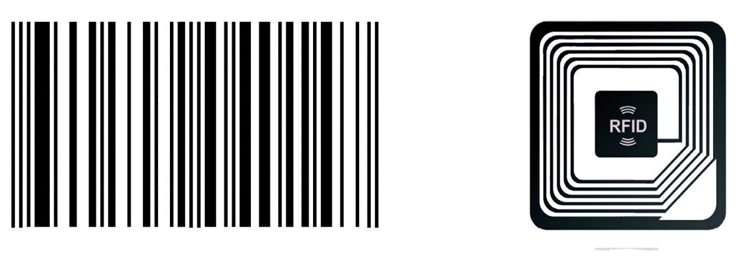
RFID (Radio Frequency Identification) uses electromagnetic signals to automatically identify and track tagged assets. Unlike barcodes, RFID doesn’t require a line of sight, making it ideal for cluttered or hard-to-reach industrial zones.
Advantages of RFID Asset Tracking in Hazardous Areas
-
Hands-free operation: Workers can scan items without direct contact.
-
High durability: RFID tags resist moisture, dust, chemicals, and heat.
-
Real-time tracking: Assets moving in and out of safety zones are instantly logged.
-
Reduced human error: Automated data collection minimizes manual mistakes.
Limitations of RFID
-
Higher cost: RFID systems are generally more expensive to install than barcode systems.
-
Signal interference: Metal or liquid surfaces may affect signal accuracy.
-
Certification needs: RFID readers in hazardous environments must be ATEX certified for safe operation.
Barcode Solutions for Asset Tracking in Hazardous Areas
Barcodes remain one of the most affordable and widely used tracking solutions. They use optical scanning to record item information and are easy to implement.
Advantages of Barcode Asset Tracking
-
Cost-effective: Barcode labels are inexpensive and easy to replace.
-
Simple to use: Workers are already familiar with barcode scanning.
-
High accuracy: Provides precise data capture when scanned correctly.
-
System compatibility: Works seamlessly with existing ERP or inventory systems.
Limitations of Barcodes
-
Line-of-sight dependency: Scanners must see the barcode directly.
-
Physical wear: Labels can fade or peel in harsh industrial conditions.
-
Manual process: Each item must be scanned individually, slowing down workflow.
For durability, barcodes in hazardous areas should be printed on laminated or metal plates to resist extreme conditions.
RFID vs Barcode: Which is Better for Hazardous Areas?
Choosing between RFID and barcode asset tracking in hazardous areas depends on your asset type, operational scale, and budget.
-
RFID is ideal for:
-
High-value tools and equipment
-
Assets requiring real-time visibility
-
Large-scale operations with frequent asset movement
-
-
Barcodes are ideal for:
-
Low to medium-value items
-
Infrequently scanned assets
-
Smaller operations with limited budgets
-
A hybrid system combining RFID and barcode tracking can offer the best balance between cost and efficiency.
Best Practices for Implementing RFID Asset Tracking in Hazardous Areas
-
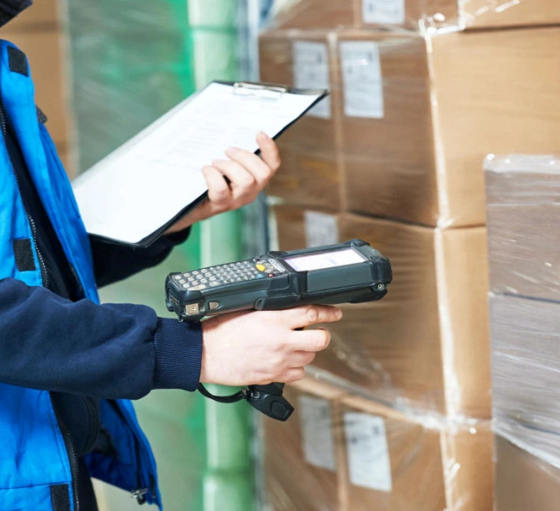
Use certified equipment: Ensure RFID scanners and mobile readers are ATEX/IECEx certified for hazardous environments.
-
Select rugged tags: Choose RFID tags that resist heat, chemicals, and impact.
-
System integration: Link RFID data with your existing asset management or ERP software for real-time tracking.
-
Train employees: Ensure proper handling and understanding of RFID equipment.
-
Start with pilot projects: Test in one facility before large-scale deployment.
FAQs About RFID Asset Tracking in Hazardous Areas
1. What is RFID asset tracking in hazardous areas?
It’s a system that uses RFID tags and readers to track tools and equipment in environments with explosion or fire risks.
2. Why is RFID suitable for hazardous areas?
RFID allows contactless, real-time monitoring, reducing human error and exposure to hazardous zones.
3. Can RFID and barcodes be used together?
Yes. Many companies use RFID for critical assets and barcodes for lower-value items.
4. Are RFID devices safe to use in explosive environments?
Yes, when certified under ATEX standards, RFID readers and tags are safe for use in explosive atmospheres.
5. How does RFID reduce asset loss?
RFID provides real-time visibility, preventing tools from being misplaced or left in restricted zones.
6. What industries benefit from RFID asset tracking?
Oil and gas, chemicals, mining, manufacturing, and pharmaceuticals use RFID for enhanced safety and compliance.
7. What type of RFID tags are best for hazardous areas?
Tags made from stainless steel or industrial-grade polymers that resist heat and corrosion.
8. What is the range of RFID readers in hazardous areas?
Typically from a few centimeters up to several meters, depending on frequency and tag type.
9. Can RFID systems integrate with existing asset management software?
Yes, RFID data can sync with ERP, CMMS, or SCADA systems for centralized management.
10. What are the maintenance requirements for RFID systems?
Regular inspection, firmware updates, and tag integrity checks ensure optimal performance.
11. Are RFID solutions expensive to maintain?
While initial costs are higher than barcodes, RFID provides long-term savings through automation and fewer losses.
12. How can RFID improve worker safety?
By automating tracking, workers spend less time in hazardous zones and receive instant alerts about unsafe conditions.
13. What are the limitations of RFID in hazardous areas?
Signal interference, higher upfront cost, and strict certification needs.
14. Can mobile devices read RFID tags in hazardous areas?
Yes, when using ATEX-certified explosion-proof tablets or handheld RFID readers.
15. What’s the best approach to start using RFID asset tracking?
Begin with a small pilot project, assess performance, and gradually scale across operations.
Conclusion
RFID asset tracking in hazardous areas brings together technology, safety, and operational efficiency. By using RFID and barcode systems, companies can minimize downtime, improve compliance, and keep workers safe in explosive or high-risk environments.
With careful implementation, certified equipment, and employee training, RFID-based asset tracking can transform traditional monitoring into a smarter, safer, and more accurate system.
Industrial Applications & Real-World Use Cases
In hazardous industrial environments such as oil refineries, petrochemical plants, offshore platforms, and mining operations, reliable communication is a critical safety requirement. Workers in Zone 1 and Zone 21 classified areas face constant exposure to flammable gases, vapors, and combustible dust. Any electronic device used must be intrinsically safe to prevent ignition.
Oil & Gas Operations
Field engineers on drilling rigs, well pads, and production platforms rely on ATEX certified devices for work order management, real-time communication with control rooms, digital permit-to-work systems, and photographic documentation. Our devices are deployed across ADNOC, Saudi Aramco, KOC, KNPC, ONGC, Petrobras, and Shell facilities worldwide.
Refinery & Petrochemical Safety
Process safety management requires continuous communication between operators, maintenance technicians, and HSE personnel. ATEX phones enable instant push-to-talk during turnarounds, emergency responses, and inspection rounds. Explosion-proof tablets allow viewing P&IDs and digital checklists in the field.
Offshore Platform Operations
Offshore environments present salt spray corrosion, extreme weather, and limited charging infrastructure. Our IP68-rated devices withstand these conditions while maintaining Zone 1 certification for crane coordination, emergency mustering, and helicopter manifesting.
Safety Compliance Standards
- ATEX Directive 2014/34/EU — European explosive atmospheres standard
- Ex ia IIC T4 Gb — Zone 1 intrinsic safety for gas groups
- Ex ia IIIC T135°C Db — Zone 21 dust protection
- IP68 — Dust and water protection
- MIL-STD-810H — Military-grade durability
Browse Products → | Request Quote → | Certifications →
Related ATEX Products & Resources
Explore our range of ATEX-certified devices for hazardous areas: