


Essential ATEX Equipment for Pharmaceutical Industry (2026)
Introduction: Why Safety in Pharma Demands More Than Just Clean Rooms
The pharmaceutical industry operates in high-risk environments where volatile chemicals, fine powders, and combustible substances are part of daily operations. Even a minor spark or temperature rise can trigger catastrophic explosions. In such environments, ensuring the safety of personnel, equipment, and processes isn’t optional — it’s mandatory.
This is where ATEX equipment for pharmaceutical industry plays a vital role. These certified devices are designed to prevent ignition in explosive atmospheres, offering protection without compromising production efficiency. In this comprehensive guide, we’ll explore what ATEX equipment is, why it’s essential for pharma, the different types available, and how to select the right equipment for your facility.
What is ATEX Equipment?
ATEX Device refers to electrical and mechanical devices certified to operate safely in environments where there’s a risk of explosion due to gases, vapors, mists, or dust.
The term “ATEX” comes from two EU directives:
-
ATEX 2014/34/EU (equipment for explosive atmospheres)
-
ATEX 1999/92/EC (minimum requirements for improving health and safety in explosive atmospheres)
When we talk about ATEX equipment for pharmaceutical industry, we mean equipment designed specifically for explosive-prone areas in drug manufacturing, compounding, and processing facilities.
Key Features of ATEX Equipment for Pharmaceutical Industry
To be compliant and efficient, ATEX equipment typically includes:
-
Sealed and ruggedized enclosures that prevent the entry of dust and moisture.
-
Anti-static and spark-proof materials to eliminate ignition sources.
-
Ingress Protection (IP) ratings and temperature control systems.
-
Compliance with ATEX standards for global use.
-
Ease of use even with gloves, thanks to ergonomic design and intuitive interfaces.
These features make such devices ideal for hazardous environments, especially those found in pharmaceutical production.
Why ATEX Equipment is Critical in the Pharmaceutical Industry
1. Protecting Personnel from Explosions
Handling flammable solvents, active pharmaceutical ingredients (APIs), or cleaning agents in powder or vapor form creates an explosive atmosphere. Using non-certified devices poses a serious risk. ATEX equipment for pharmaceutical industry ensures that no internal fault in a device can trigger an explosion, protecting your team at all times.
2. Compliance with International Safety Regulations
Pharmaceutical companies must adhere to strict global safety standards such as:
-
EU’s ATEX Directives
-
-
OSHA regulations
-
GMP guidelines
Using ATEX-certified equipment ensures you meet legal requirements, avoid fines, and maintain operational licenses.
3. Preventing Product Contamination
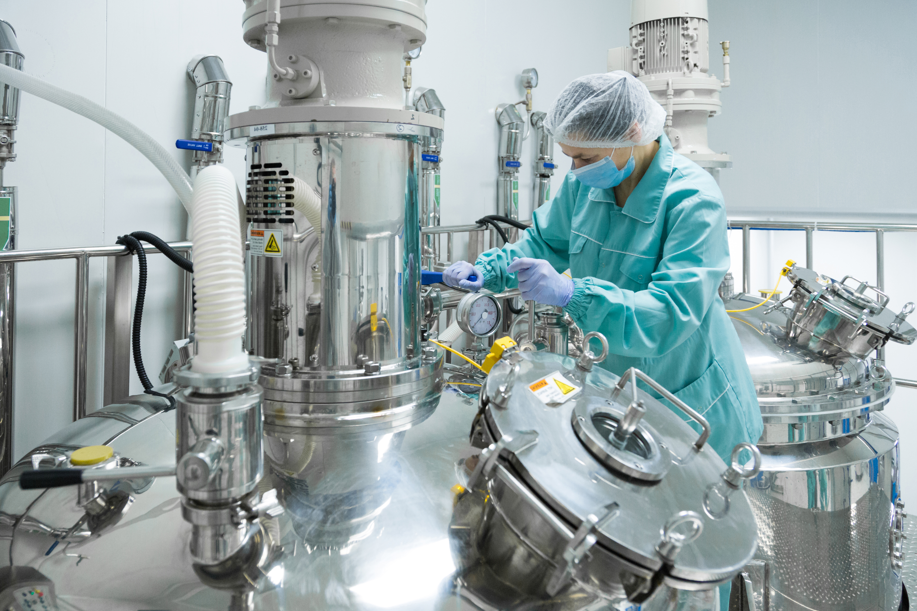
Sterile environments are a must in pharma. Many explosion-proof devices are also made to be contamination-resistant — they’re easy to clean, corrosion-resistant, and designed for use in cleanrooms. This dual-purpose nature makes ATEX equipment for pharmaceutical industry both safe and GMP-compliant.
4. Improving Operational Efficiency
Today’s explosion-proof devices go beyond safety. Modern ATEX equipment includes smart features such as:
-
Real-time monitoring
-
Wireless connectivity
-
IoT integration
-
Long battery life
-
Rugged durability
This helps pharma companies maintain high productivity even in restricted zones.
Types of ATEX Equipment Used in the Pharmaceutical Sector
1. ATEX-Certified Communication Devices
-
Intrinsically safe smartphones
-
Walkie-talkies
-
Tablets and mobile computers
These allow seamless, hands-free communication in explosive environments.
2. ATEX Gas and Dust Detectors
-
Sensors for volatile organic compounds (VOCs)
-
Fine dust and particle detectors
-
Alarm-triggering systems
They monitor air quality and instantly alert operators to danger.
3. Explosion-Proof Lighting Systems
-
LED lighting fixtures
-
Portable ATEX flashlights
-
Ceiling-mounted ATEX lights
Essential for cleanrooms, reactors, and blending areas.
4. Explosion-Proof Motors and Equipment
-
Mixing machines
-
Blenders
-
Pumps
-
HVAC systems
These ensure that mechanical operations continue safely without sparking.
5. ATEX-Grade Control Panels and Switches
-
PLCs
-
Control boxes
-
Switchboards
Engineered to prevent arcs or sparks during process automation.
How to Choose the Right ATEX Equipment for Your Facility
Choosing the correct ATEX equipment for pharmaceutical industry depends on several factors:
1. Know Your Hazardous Zones
ATEX defines zones based on the frequency and duration of explosive atmospheres:
| Zone | Description |
|---|---|
| Zone 0 / 20 | Explosive atmosphere present continuously or for long periods |
| Zone 1 / 21 | Likely to occur occasionally during normal operation |
| Zone 2 / 22 | Unlikely to occur, and if it does, only for a short time |
Select equipment rated for your specific zone.
2. Material Durability
Choose devices made from corrosion-resistant and anti-static materials. Stainless steel or specialized polymers are common.
3. Ease of Maintenance
Equipment with low service requirements and remote monitoring capabilities will save time and reduce human exposure.
4. Battery Life and Power Efficiency
For mobile devices, opt for ATEX equipment with long-lasting batteries and energy-saving modes — crucial during long shifts.
5. Environmental Tolerance
The best equipment functions reliably in extreme conditions — including high humidity, varying temperatures, and aggressive chemicals.
The Future of ATEX Equipment in Pharma
Innovation is transforming how ATEX equipment for pharmaceutical industry functions. Here’s what the future holds:
Smart Sensors & IoT Integration
IoT-enabled ATEX devices now collect real-time environmental data, helping predict failures before they occur.
Artificial Intelligence for Risk Detection
AI-powered analytics can recognize patterns indicating equipment stress, leaks, or atmospheric changes — stopping incidents before they escalate.
Wireless Communication in Hazardous Areas
ATEX-approved Wi-Fi and Bluetooth devices eliminate the need for fixed systems, improving mobility and team coordination.
Compact, Multi-Purpose Devices
Manufacturers are now designing smaller, lighter, and multifunctional devices to save space and increase operator flexibility.
Frequently Asked Questions (FAQs)
1. What is ATEX equipment?
ATEX equipment is designed for use in environments where there’s a risk of explosions caused by gases, vapors, or dust. It prevents ignition sources and ensures safe operation.
2. Why is ATEX equipment important in pharmaceutical production?
Because the pharma sector deals with flammable substances, ATEX equipment ensures worker safety and prevents product contamination.
3. Is ATEX certification mandatory in pharmaceutical environments?
It is required in any zone classified as explosive, especially in EU countries or global companies following GMP and OSHA standards.
4. Can ATEX devices be used in cleanrooms?
Yes. Many ATEX devices are cleanroom-compliant, resistant to contamination, and easy to sanitize.
5. What is the difference between ATEX?
Both are international standards for explosive atmosphere safety. ATEX is EU-focused; is global. Many devices carry both.
6. Are explosion-proof devices more expensive?
Generally, yes — but their durability and regulatory compliance offset long-term costs.
7. Can regular tablets or phones be used in explosive pharma areas?
No. Only ATEX-certified communication tools are safe for use in such zones.
8. How often should ATEX devices be inspected?
Periodic inspections are required, depending on use, risk level, and local regulations.
9. Do ATEX devices have longer life spans?
Yes, because they’re designed with robust components meant for extreme conditions.
10. What zone classifications exist under ATEX?
Zone 0, 1, 2 for gases; Zone 20, 21, 22 for dust — depending on how often explosive atmospheres are present.
11. Can ATEX equipment connect to Wi-Fi or Bluetooth?
Yes, many modern devices support wireless communication within safety standards.
12. What industries besides pharma use ATEX equipment?
Oil & gas, chemical, food, mining, and paint manufacturing all rely on ATEX safety.
13. How to identify if a device is ATEX certified?
Look for the ATEX logo and certification code engraved or printed on the equipment.
14. Can ATEX equipment help reduce downtime?
Absolutely. With smart features and real-time monitoring, it helps detect problems early and keep operations running.
15. Where can I buy ATEX equipment for pharmaceutical industry?
From certified manufacturers and distributors specializing in explosion-proof devices — such as Ex-Machinery or Bartec.
The pharmaceutical sector can’t afford to compromise on safety. ATEX equipment for pharmaceutical industry offers a trusted path to compliance, explosion prevention, and seamless operations. Whether you need communication tools, sensors, or motors — choosing certified devices tailored to your zone is not just smart, it’s critical.
As technology evolves, the future of ATEX devices will be smarter, more efficient, and more integrated — perfectly suited to the growing demands of safe pharmaceutical manufacturing.
Связанные продукты и ресурсы ATEX
Ознакомьтесь с нашим ассортиментом устройств с сертификацией ATEX: