


Explosion-Proof Electronics: 5 Fatal Risks They Eliminate (2026)
Introduction:
Explosion Proof Electronics are critical in hazardous environments where flammable gases, vapors, or combustible dust are present. Regular consumer electronics are simply not built to withstand such volatile conditions. A single spark or excessive heat can ignite these substances, leading to devastating explosions, loss of life, and property damage.

In industries such as oil and gas, chemical manufacturing, food processing, or mining, the risk of explosion is ever-present. Explosion Proof Electronics are engineered to eliminate ignition sources and survive in hostile environments, providing safe and reliable operation where failure is not an option.
This article explains why standard electronics fail in hazardous areas and how Explosion Proof Electronics are designed to overcome these risks.
Why Regular Electronics Fail in Hazardous Environments
1. They Generate Sparks and Heat
Standard electronics naturally produce small electric discharges and heat during operation. These may seem insignificant in normal settings but can become deadly in explosive atmospheres. Here’s how:
-
Switching components (e.g., relays, motors) can create sparks.
-
Static electricity buildup on plastic surfaces causes discharges.
-
Battery connection/disconnection can result in sparks.
Even something as minor as changing a flashlight battery in a gas-filled area can ignite vapors. Historical methane explosions in coal mines, often caused by non-compliant equipment, have tragically claimed thousands of lives.
2. Poor Sealing Against Hazardous Substances
In harsh industrial zones, corrosive vapors, fine dust, and moisture can infiltrate regular electronics through open vents or gaps.
Common contaminants include: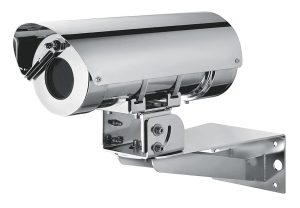
-
Acid vapors in chemical plants.
-
Metal dust in machining workshops.
-
Salty mist in marine environments.
-
Humidity in food and beverage facilities.
Once inside, these contaminants can cause:
-
Short circuits.
-
Corrosion of internal components.
-
Permanent malfunction.
One striking example: the 2008 Imperial Sugar plant explosion in Georgia. Combustible sugar dust built up on standard equipment, igniting a massive explosion that killed 14 workers and destroyed the facility.
3. No Energy Limitation Features
Explosion Proof Electronics often use intrinsically safe (IS) circuitry, which limits power to levels that are incapable of causing ignition—even in fault conditions.
Key IS features include:
-
Current limited to milliamp levels.
-
Voltages below ignition thresholds.
-
Capacitors with low energy storage.
-
Thermal regulation to avoid hotspots.
Most standard electronics draw and store more than enough energy to trigger an explosion. Even AA batteries can ignite gasoline vapors if mishandled.
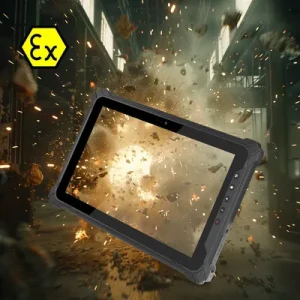
4. Use of Non-Certified Materials
Materials in everyday devices can contribute to ignition risks:
-
Plastics generate static electricity.
-
Metals can produce sparks when struck.
-
Some materials degrade in high temperatures.
Explosion Proof Electronics use
- Conductive plastics to dissipate static.
-
Spark-resistant alloys.
-
Chemically resistant coatings.
-
Heat-tolerant materials.
All materials must be carefully selected to prevent failure or ignition under stress.
5. Lack of Regulatory Certification
Hazardous environments require equipment certified under strict standards such as:
-
ATEX (EU)
-
(Global)
-
UL HazLoc (North America)
These certifications ensure:
-
Safe design under explosive conditions.
-
Extensive testing in real-world hazard simulations.
-
Reliable manufacturing and quality control.
Standard electronics do not undergo such testing, making them both unsafe and illegal in many regulated zones.
How Explosion Proof Electronics Mitigate These Risks
1. Intrinsically Safe (IS) Design
IS circuits work with extremely low energy levels, ensuring that even in the worst-case scenarios, they cannot ignite hazardous substances.
Implementation includes:

Current-limiting resistors.
Voltage suppression diodes.
Energy barriers.
Precise thermal mass calculations.
In an IS-certified device, even a short circuit cannot cause a spark strong enough to ignite methane or vapor.
2. Explosion-Proof Enclosures (Ex d)
Also called «flameproof,» these enclosures are designed to contain internal explosions and prevent them from escaping into the environment.
Key features:
-
Precision-engineered joints and flanges.
-
Heavy-duty metal casing (steel, aluminum alloys).
-
Spark-arresting channels.
-
Corrosion-resistant finishes.
If a component fails internally, the flameproof housing contains the blast, keeping the surroundings safe.
3. Certified for Hazardous Locations
Explosion Proof Electronics must pass rigorous testing for hazardous zone certification:
-
Spark ignition tests.
-
Temperature stability.
-
Drop and impact resistance.
-
Operation in extreme conditions.
Certified devices are approved for operation in:
-
Gas Zones 0/1 – Continuous or frequent gas exposure.
-
Dust Zones 20/21 – Explosive dust presence.
This ensures legal compliance and operational safety in volatile environments.
4. Dust, Moisture, and Corrosion Resistance
With IP66/IP67-rated sealing, Explosion Proof Electronics are fully protected against the ingress of water, dust, and chemicals.
Protection methods include:
-
Multilayer gaskets.
-
Hermetic seals.
-
Conformal coatings.
-
Pressurization and purge systems.
This is essential for locations like offshore rigs, food plants, and metal foundries.
5. Anti-Static and Non-Sparking Materials
Advanced material engineering prevents ignition from surface discharge or impact.
Innovations include:
-
Anti-static coatings.
-
Non-sparking alloys.
-
Conductive polymers.
-
Triboelectric testing to avoid charge accumulation.
Devices using such materials remain safe even when surrounded by flammable powders, liquids, or gases.
Real-World Applications of Explosion Proof Electronics
Explosion Proof Electronics are deployed in a wide variety of industries beyond oil and gas. In chemical manufacturing, they are used to safely control automated valves, sensors, and monitoring systems where flammable solvents or gases are present. In pharmaceutical plants, cleanrooms require explosion-proof HVAC and environmental monitoring equipment to ensure safety during the handling of volatile compounds. Even grain storage facilities benefit from explosion-proof sensors and lighting, as fine organic dust can become explosive when suspended in air. These examples show that any operation involving flammable substances, vapors, or dust can benefit from explosion-proof technology.
The Long-Term Value of Investing in Explosion Proof Electronics
While the upfront cost of Explosion Proof Electronics may be higher than standard commercial-grade devices, the long-term savings far outweigh the initial expense. Catastrophic failures, production downtime, injuries, and fines from regulatory bodies can cost companies millions. In contrast, certified explosion-proof devices often have longer service lives due to their robust construction and resistance to environmental damage. By reducing the risk of accidents and ensuring compliance with global safety standards, businesses not only protect their employees and assets but also gain a reputation for safety and reliability in high-risk industries.
Real-World Failure Example
Case: Gas Ignition by Standard Smartphone (2018)
At an oil refinery, an employee used a consumer-grade mobile phone in a restricted zone. The battery overheated and sparked near a gas leak.
Consequences:
-
$2.3 million in property damage.
-
6 weeks of production downtime.
-
OSHA fines exceeding $150,000.
-
Company-wide safety policy overhaul.
Prevention:
Had the worker used an Explosion Proof Electronics-certified smartphone with intrinsic safety features, the incident could have been entirely avoided.
Why Explosion Proof Electronics Are a Must
Hazardous environments demand more than just robust equipment—they require solutions that actively prevent disaster. Explosion Proof Electronics are not just upgraded gadgets; they are purpose-built safety devices engineered to function where failure is unacceptable.
Key Benefits:
-
Prevents ignition in explosive atmospheres.
-
Ensures regulatory compliance.
-
Reduces operational risk.
-
Avoids legal liabilities and fines.
-
Enhances worker safety and confidence.
Conclusion: The Importance of Explosion Proof Electronics
Hazardous areas such as refineries, mines, chemical plants, and food factories are potential ticking time bombs when standard electronics are used. The risks—explosions, equipment failure, regulatory violations—far outweigh the cost of implementing certified solutions.
Explosion Proof Electronics are essential, not optional. They provide peace of mind and a safer working environment while ensuring compliance with international safety standards.
Связанные продукты и ресурсы ATEX
Ознакомьтесь с нашим ассортиментом устройств с сертификацией ATEX: