


Saltwater Corrosion Offshore: 7 Proven Solutions to Prevent Failures (2026)
Saltwater corrosion on offshore oil platforms threatens safety, performance, and lifespan. Learn 7 powerful strategies to prevent corrosion and protect your offshore infrastructure.
Introduction: Why Saltwater Corrosion on Offshore Oil Platforms Is a Growing Concern
Saltwater corrosion on offshore oil platforms is one of the most critical challenges faced by the offshore energy industry today. With platforms constantly exposed to harsh marine environments—salty air, high humidity, and constant contact with seawater—materials degrade quickly. The effects of saltwater corrosion on offshore oil platforms go far beyond surface damage. It leads to reduced performance, major safety hazards, unexpected downtime, and costly repairs.
As offshore oil and gas activity continues to expand worldwide, ensuring the structural integrity and reliability of offshore installations becomes essential. To achieve this, industry leaders must prioritize understanding, identifying, and mitigating saltwater corrosion on offshore oil platforms through effective preventive measures.
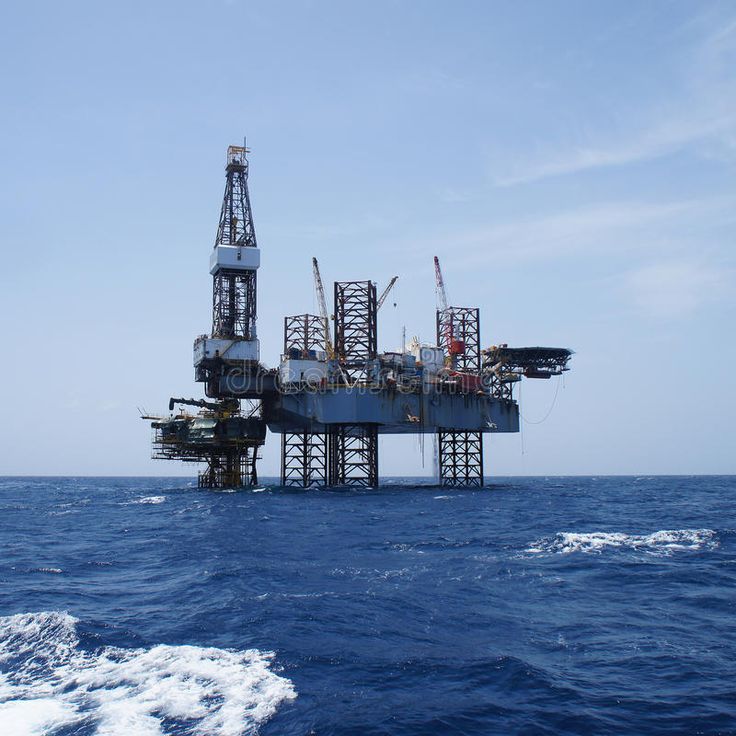
Understanding Saltwater Corrosion on Offshore Oil Platforms
Saltwater corrosion is an electrochemical process that leads to the deterioration of metals when exposed to saline environments. Offshore oil platforms, made predominantly from steel and other metals, are especially vulnerable. Saltwater acts as an efficient electrolyte due to its high chloride ion content, which accelerates electrochemical reactions between the metal and surrounding elements.
When metal is exposed to saltwater, chloride ions attack the passive protective oxide layer, making the metal surface more prone to oxidation. Over time, this results in the formation of rust, structural weakness, and ultimately component failure.
Saltwater corrosion on offshore oil platforms is inevitable without proactive corrosion protection strategies. Let’s examine the types of corrosion that offshore structures face.
Types of Saltwater Corrosion Affecting Offshore Oil Platforms
1.Uniform Corrosion
This occurs evenly across the entire surface of a metal and results in gradual thinning. Though predictable and easy to monitor, it eventually weakens structural components if not addressed in time.
2.Pitting Corrosion
Pitting forms small, localized holes or “pits” on the surface. It is far more dangerous than it appears, as pits can penetrate deeply and cause leaks in pressure vessels or pipelines.
3.Crevice Corrosion
It develops in confined spaces such as joints, bolts, welds, and under gaskets, where stagnant saltwater gets trapped. The lack of oxygen creates an aggressive corrosive environment.
4.Galvanic Corrosion
When two different metals are in electrical contact and exposed to seawater, the more reactive metal corrodes faster. This often occurs in mixed-metal assemblies.
5.Microbiologically Influenced Corrosion (MIC)
Bacteria and other microorganisms form biofilms on submerged equipment, accelerating corrosion through biological processes. MIC is especially common in underwater pipes and risers. Each type of saltwater corrosion on offshore oil platforms poses different risks, and addressing them requires a combination of engineering design and regular maintenance.
7 Proven Strategies to Prevent Saltwater Corrosion on Offshore Oil Platforms

To ensure operational safety, longevity, and cost-efficiency, offshore oil platforms must employ multi-layered anti-corrosion strategies. Below are seven highly effective methods used across the industry.
1. Use of Corrosion-Resistant Materials
Material selection is the first and most vital line of defense. Engineers prefer materials that offer high corrosion resistance in marine conditions, such as:
-
Stainless steel alloys (316L, duplex)
-
Aluminum alloys
-
Titanium
-
Composite materials
-
Specialized coatings
These materials are often used for critical components such as structural beams, tanks, risers, and joints. Proper selection reduces the impact of saltwater corrosion on offshore oil platforms, extending service life and reducing repair costs.
2. Application of Protective Coatings
Protective coatings form a barrier between metal surfaces and the harsh environment. The most commonly used coatings include:
-
Epoxy coatings: Chemically resistant and highly durable
-
Polyurethane coatings: Provide UV protection and flexibility
-
Zinc-rich primers: Offer sacrificial protection
Coatings must be applied correctly, in multiple layers, and maintained over time. When properly used, they significantly reduce saltwater corrosion on offshore oil platforms and require minimal upkeep.
3. Implementation of Cathodic Protection
Cathodic protection is an electrochemical method that suppresses corrosion by making the protected metal the cathode of an electrochemical cell. Two types are widely used:
-
Sacrificial Anode Systems: Made from zinc, magnesium, or aluminum, these anodes corrode instead of the protected structure.
-
Impressed Current Systems: Use an external power source to deliver protective current to submerged structures.
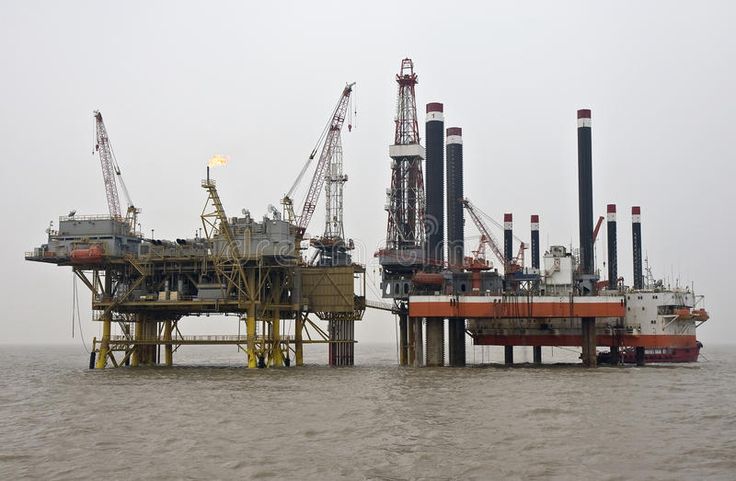
Cathodic protection is particularly effective in reducing saltwater corrosion on offshore oil platforms’ underwater legs, risers, and pipelines.
4. Routine Inspection and Maintenance
Regular inspections are essential for early detection of corrosion. The following non-destructive testing (NDT) techniques are widely used:
-
Ultrasonic Testing (UT) for wall thickness
-
Magnetic Particle Inspection (MPI)
-
Visual Inspection via drones or ROVs
Salt deposits, rust, bubbling paint, and surface cracks are all signs of developing corrosion. Cleaning, re-coating, and replacing affected parts during routine maintenance can dramatically reduce the long-term impact of saltwater corrosion on offshore oil platforms.
5. Environmental Control Measures
Controlling environmental variables on the platform can slow down corrosion. This includes:
-
Proper ventilation in enclosed equipment areas
-
Use of dehumidifiers to reduce ambient moisture
-
Thermal insulation to prevent condensation
These measures reduce the likelihood of moisture accumulation and salt deposition, key contributors to saltwater corrosion on offshore oil platforms.
6. Use of Corrosion Inhibitors
Corrosion inhibitors are chemicals added to fluid systems or applied to metal surfaces. They create a protective film that limits contact between the metal and corrosive elements.
Common types include:
-
Anodic inhibitors (form passive films)
-
Cathodic inhibitors (slow reduction reactions)
-
Vapor phase inhibitors (used in enclosed systems)
These inhibitors play an essential role in preventing saltwater corrosion on offshore oil platforms, especially in hydraulic and cooling systems.
7. Smart Design and Engineering Solutions
Engineering plays a proactive role in corrosion prevention. Smart design strategies include:
-
Avoiding crevices and sharp corners
-
Using drainable structures to prevent water accumulation
-
Implementing corrosion monitoring sensors
-
Designing with compatible metals to prevent galvanic corrosion
Incorporating corrosion mitigation into the design phase is crucial to reduce the long-term risk of saltwater corrosion on offshore oil platforms.
Frequently Asked Questions (FAQ)
Q1: How does saltwater accelerate corrosion on offshore oil platforms?
Saltwater contains chloride ions, which increase the conductivity of water and promote electrochemical reactions. These ions aggressively attack metal surfaces, especially steel, leading to rapid rusting and failure.
Q2: Which materials are most suitable for offshore structures?
Materials like 316L stainless steel, titanium, aluminum alloys, and fiberglass composites are preferred for their high resistance to saltwater corrosion on offshore oil platforms.
Q3: What is cathodic protection, and how does it work?
Cathodic protection involves using a more reactive metal (anode) to corrode in place of the structure, or applying electrical current to suppress corrosion. It’s widely used in submerged parts of offshore oil platforms.
Q4: How often should corrosion inspections be done offshore?
Annual inspections are a minimum requirement. High-risk underwater elements may require quarterly inspections using remotely operated vehicles (ROVs) and NDT techniques.
Q5: Can corrosion inhibitors fully protect offshore equipment?
While not a standalone solution, corrosion inhibitors significantly reduce saltwater corrosion on offshore oil platforms when used alongside coatings and proper maintenance.
Q6: What visible signs indicate corrosion has begun?
Early warning signs include bubbling paint, rust stains, surface discoloration, localized pitting, and metal deformation.
Conclusion: Fighting Saltwater Corrosion on Offshore Oil Platforms with Strategy and Technology
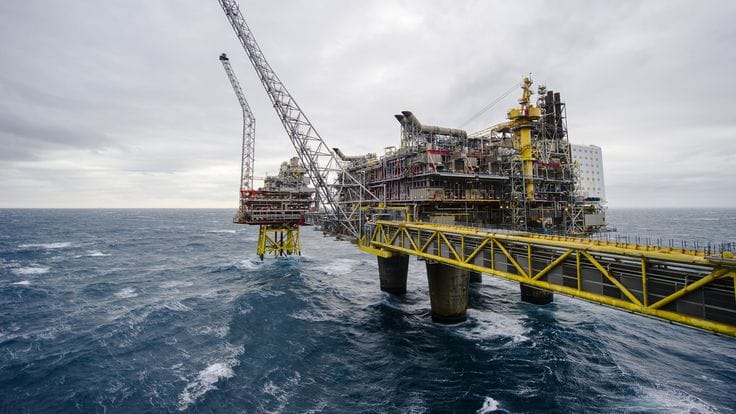
Saltwater corrosion on offshore oil platforms poses an ever-present risk to the safety, performance, and economic sustainability of marine oil and gas operations. While corrosion can’t be completely eliminated, it can be effectively controlled using a multi-pronged approach:
-
Strategic material selection
-
High-performance protective coatings
-
Robust cathodic protection systems
-
Routine inspections and predictive maintenance
-
Use of inhibitors and smart engineering designs
By implementing these proven solutions, offshore operators can protect vital assets, extend equipment lifespan, and reduce unplanned downtime. Saltwater corrosion on offshore oil platforms is a solvable challenge—if met with the right strategy and investment.
Связанные продукты и ресурсы ATEX
Ознакомьтесь с нашим ассортиментом устройств с сертификацией ATEX: