


Hazardous Area Zone Classification: 6 Reasons It’s Critical (2026)
Introduction:
Zone classification in hazardous areas is essential for safety compliance. Discover the 6 powerful zone types (Z0, Z1, Z2, Z20, Z21, Z22), their risks, and how to select explosion-proof equipment that meets ATEX standards.
Introduction: What is Zone Classification in Hazardous Areas?
Zone classification in hazardous areas is the cornerstone of safety for industries working with flammable gases, vapors, or combustible dust. From oil refineries to food production plants, identifying and categorizing explosive zones is critical to prevent fires and explosions.
This guide will help you understand the zone classification in hazardous areas, including six primary types — Zones 0, 1, 2 (for gases) and Zones 20, 21, 22 (for dust). Whether you manage a chemical plant or a grain mill, knowing your zone type is vital to ensure the right equipment and safety protocols are in place.
Understanding the Zone Classification in Hazardous Areas
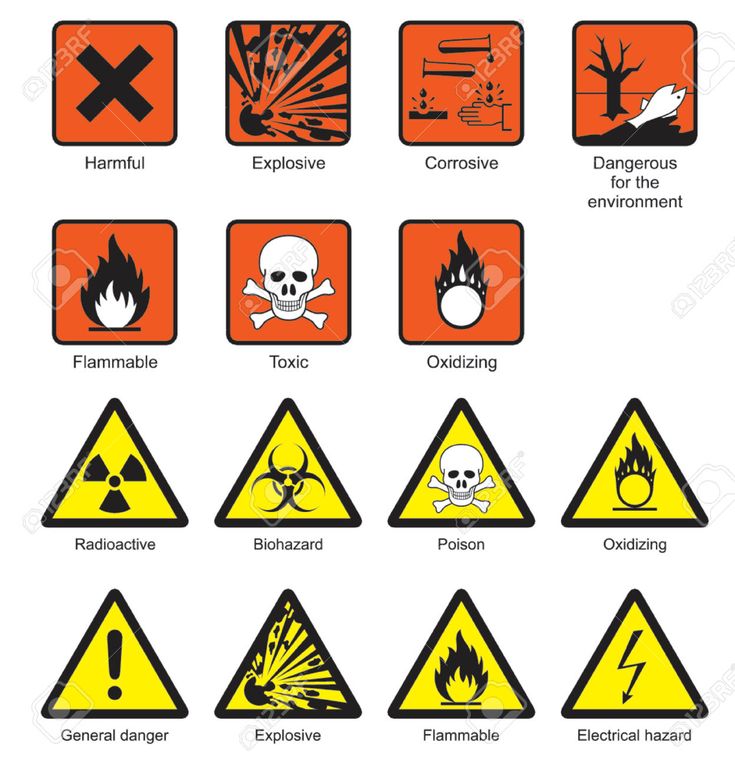
Why Zone Classification in Hazardous Areas Matters
Every industry that deals with flammable substances must manage the risk of explosions. The zone classification in hazardous areas system helps companies:
-
Determine where explosive atmospheres may occur
-
Select proper safety equipment
-
Stay compliant with international standards like ATEX
-
Train employees and reduce downtime caused by accidents
Let’s break down each of the six types of zones based on the presence and duration of explosive atmospheres.
Gas-Based Zone Classification in Hazardous Areas
Zone 0 – High-Risk Explosive Gas Environment
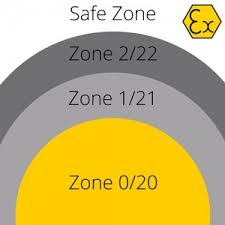
Zone classification in hazardous areas defines Zone 0 as a location where explosive gas or vapor is present continuously or for long periods. This is the most dangerous gas zone.
Examples:
-
Inside fuel tanks
-
Gas pipelines
-
Vapor-filled containers
Required equipment: Intrinsically safe or explosion-proof devices, specifically rated for Zone 0 environments, following strict ATEX certification.
Zone 1 – Medium-Risk Explosive Gas Environment
In Zone 1, an explosive gas atmosphere may occur during normal operations, but not continuously. This includes areas with occasional leaks or routine gas emissions.
Examples
-
Surroundings of fuel dispensers
-
Chemical mixing stations
-
Valve manifolds
Equipment must: Prevent sparks, arcs, or excessive surface heat. Devices must be Zone 1-certified under zone classification in hazardous areas standards.
Zone 2 – Low-Risk Explosive Gas Environment
Zone 2 is where explosive gases are not likely to occur during normal operation, or may exist for short periods only.
Examples:
-
Areas around ventilation ducts
-
Adjacent spaces to gas compressors
-
Outdoor gas equipment areas
Protection measures can be lighter but still must follow zone classification in hazardous areas guidelines.
Dust-Based Zone Classification in Hazardous Areas
Zone 20 – High-Risk Dust Environment
Defined in zone classification in hazardous areas, Zone 20 refers to areas where explosive dust clouds are continuously present or occur frequently.
Examples:
-
Inside silos and hoppers
-
Dust collection systems
-
Powder-processing machines
Equipment requirement: Completely sealed, dust-tight, and certified to ATEX Zone 20 standards.
Zone 21 – Medium-Risk Dust Environment
Zone 21 sees occasional presence of combustible dust during normal operations.
Examples: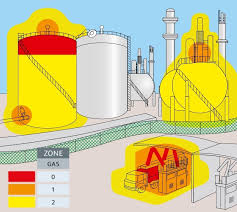
-
Surroundings of powder mills
-
Material handling machines
-
Bulk filling stations
Devices in Zone 21 must be designed with special enclosures to avoid ignition by dust accumulation.
Zone 22 – Low-Risk Dust Environment
This is where dust clouds are unlikely or will persist only for short durations. It still falls under zone classification in hazardous areas due to potential hazards.
Examples:
-
Storage warehouses for powders
-
Conveyor belt transfer points
-
Packaging and loading areas
Protection here includes sealed enclosures, but explosion-proofing is not always mandatory if the risk is low.
Why You Must Take Zone Classification in Hazardous Areas Seriously
Failure to understand and implement zone classification in hazardous areas can lead to:
-
Fires and explosions
-
Workplace injuries or fatalities
-
Non-compliance with safety laws (e.g., ATEX Directive 2014/34/EU)
-
Massive financial and reputational losses
Compliance is not just about protecting assets — it’s about saving lives.
ATEX Standards for Hazardous Zone Compliance
Two major global standards govern the zone classification in hazardous areas:
1. ATEX (EU Standard)
Applies to equipment used in explosive atmospheres. It requires marking of zones and certification for all devices installed.
2. (International Standard)
More globally accepted, especially outside the EU. It focuses on both equipment and operational safety practices.
Always ensure your equipment complies with these frameworks depending on your operating region.
Top Industries That Use Zone Classification in Hazardous Areas
Here are key sectors that apply zone classification in hazardous areas to ensure safety:
Oil & Gas Industry
-
Refineries, offshore rigs, fuel storage
Chemical Processing
-
Labs, batch reactors, mixing tanks
Mining
-
Underground tunnels, coal dust, methane pockets
Food & Agriculture
-
Flour mills, sugar refineries, grain elevators
Pharmaceutical
-
Powder blending, fine chemical handling
Each must identify hazardous zones and use certified equipment accordingly.
Best Practices for Managing Zone Classification in Hazardous Areas
To stay compliant and safe, industries must follow these best practices:
Risk Assessment
Conduct professional evaluations to map explosive zones accurately.
Proper Equipment Selection
Use only certified explosion-proof or intrinsically safe equipment.
Employee Training
Staff must know zone types and follow entry and operation protocols.
Routine Maintenance
Inspect for gas leaks, dust build-up, damaged seals, and ventilation issues.
Record Keeping and Audits
Maintain logs of zone classifications, inspections, and equipment certificates.
Frequently Asked Questions (FAQs)
1. Is Zone 0 riskier than Zone 2?
Yes. Zone classification in hazardous areas defines Zone 0 as continuously hazardous, whereas Zone 2 has intermittent, brief exposure.
2. Who determines zone classification?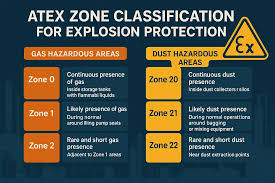
Certified safety engineers or risk assessors must evaluate the presence of gases or dust and assign zone ratings.
3. Can Zone 22 still be dangerous?
Yes. Even if it’s a low-risk zone, explosions can happen if dust accumulates without proper control.
4. What kind of equipment is allowed in Zone 1?
Only ATEX certified explosion-proof or intrinsically safe devices.
5. What is the difference between ATEX?
ATEX is used in the EU; is more global. Both serve the same purpose under different jurisdictions.
Conclusion: Prioritize Zone Classification in Hazardous Areas for Safe Operations
Proper zone classification in hazardous areas is not just a safety requirement — it’s a legal obligation and a life-saving practice. By understanding zones 0, 1, 2, 20, 21, and 22, companies can reduce explosion risks, select the right certified equipment, and maintain compliance with international safety standards.
Don’t gamble with safety. Zone classification in hazardous areas is your first line of defense against catastrophic industrial accidents.
Связанные продукты и ресурсы ATEX
Ознакомьтесь с нашим ассортиментом устройств с сертификацией ATEX: