


SCADA Integration System: 5 Smart Ways to Boost Safety & Cut Risks (2025)
SCADA Integration System improves industrial safety by boosting control, reducing risks, and enabling real-time monitoring in 2025.
Introduction
Safety can never be the last thing in a company whose industry is consecutive to oil and gas, chemicals, mining and pharmaceuticals. Employees usually work in dangerous atmospheres and just a spark may lead to devastating results. These are also the same industries that depend greatly on the application of sophisticated monitoring and control technologies in order to maintain efficient operations. This poses a dilemma: How can companies provide modern digital tools to their frontline workers without dislodging safety? This is being solved with the aid of explosion-proof tablets that are congregated with Supervisory Control and Data Acquisition SCADA integration systems.
These durable, proven certificated devices enable workers to take the advantages of digital technology into the workplace and be plugged directly in to terminal systems that power facilities. The outcome is a combination of safety, efficiency and the real.
What Are Explosion-Proof Tablets?
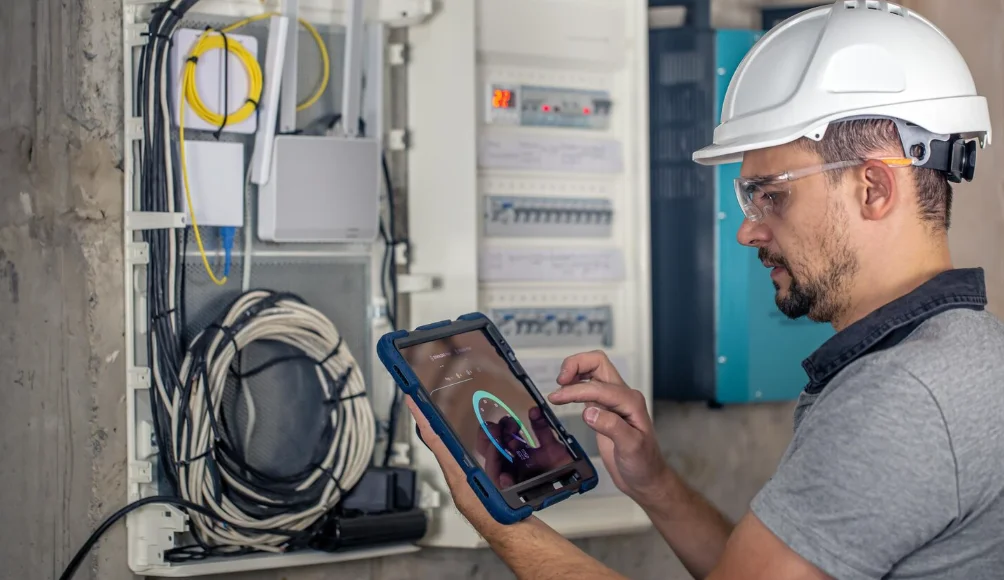
Explosion-proof tablet computers—also referred to as intrinsically safe tablet computers—are mobile computers that operate in gaseous, vaporous, or dusty places that are prone to explosions. Common characteristics encompass a collection of snapshots, a centre of concentration and extreme destinations:
- ATEX/IECEx certified to work in hazardous areas
- Rugged dust-water-shock resistant construction
- Batteries which last throughout the entire shift
- Ability to connect to the internet via Wi-Fi, LTE and Bluetooth
- Sunlight readable screens that are glove friendly
These features enable workers to introduce the digital technology in some of the most demanding industrial surroundings safely.
A Quick Look at SCADA integration
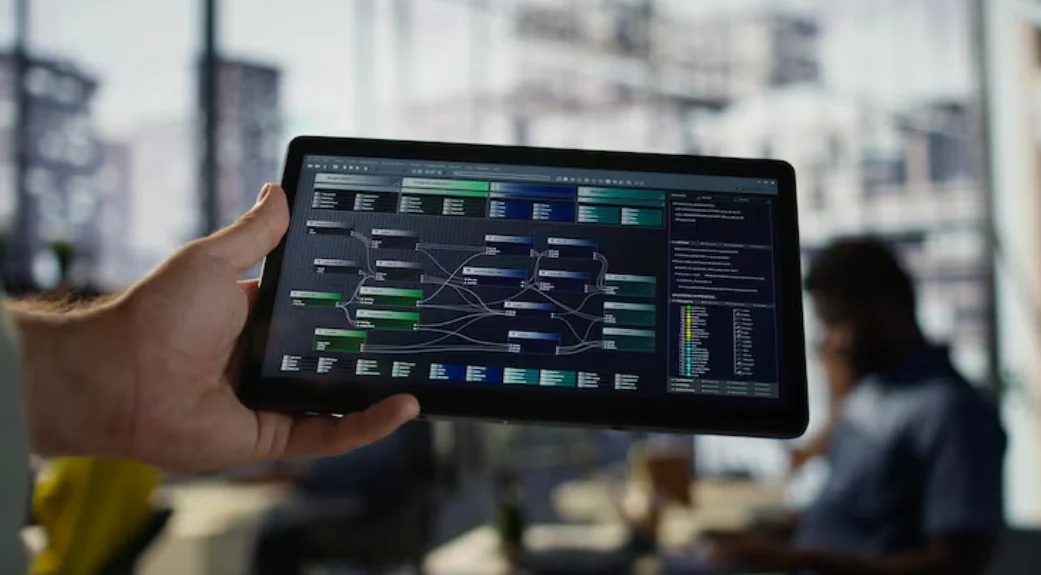
Modern industry relies on SCADA integration systems to be operational. They collect information of the sensors and equipment, present that data on HMIs (Human–Machine Interfaces) and enable the operators of a process control them remotely.
Functions normally include:
- Data collection and analysis concerning the processes
- Giving alerts on abnormal conditions
- Compliance and audit log storing
- Allow pumps, valves, and other device operation remotely
In the traditional sense, SCADA Integration access was limited to control rooms. Although this model is effective, it makes the field workers dependent on other people providing information, slows down the decision-making process in crucial times.
Why SCADA integration Matters
Explosion-proof tablets eliminate this bottlenecking point by placing the SCADA access at the fingertips of workers in line.
- Field Data in Real-Time
Technicians do not have to call back to the control room anymore. They have the ability to see live data anywhere they are—that is, the bank of pressure, the temperature, or the flow. - Faster Decision-Making
In the event of an alarm, the employee nearest the problem would know at a glance and take proper action immediately to verify conditions. - Collaboration with QUID Pro Quo
The data entered on the ground, such as the result of inspection, maintenance notes, etc., will be directly imported into the SCADA. Supervisors can be able to view the update immediately, minimizing miscommunication. - Safer Operations
Workers working remotely can be avoided staying close to dangerous machinery or working on volatile substances in order to operate the control remotely. - Paperless Workflows
Checklists are digital and eliminate transcription error or loss of records; they are auto-stored in compliance.
Real-World Use Cases
Oil and Gas
Operators working with long stretches of the pipeline or offshore wells can monitor corrosion values, ensure the pressures, and take prompt action on the other. These used to take several technicians to accomplish and had to be called back repeatedly which has also changed.
Chemical Manufacturing
Explosion-proof tablets enable employees to perform batch tracking, document inspections and gain compliance online. Rather than re-entering paper log data, data is entered directly to SCADA and provides an audit trail.
Mining
The presence of gas constitutes a major risk to underground mines. Tablets allow real-time review of ventilation rates and status of equipment as well as on-demand communication with supervisors on the surface
Pharmaceuticals
Tablets eliminate paper records and instead the electronic records associated with SCADA and MES maintain compliance and eliminate contamination risks in regulated cleanroom environments.
Challenges to Address
Integration is significant; however, it is not a plug and play. It is necessary that companies respond to:
- Connection issues in remote or closed structures where private LTE or mesh networks are a common radiated solution.
- Compatibility challenges when the existing SCADA systems used in the past are not mobile and additional middleware or new HMIs are needed.
- Cybersecurity threats, because the mobile structure increases the attack surface. Authentication, encryption and device management are decisive.
- Working adoption, where not all staff feel comfortable using paper logs, or fixed terminals. Training facilitates an effective transition process.
Best Practices for Successful Integration
- Start with pilots. Upon finding the venture successful in a single plant or department, it can be rolled to other departments or sections on a larger basis.
- Involve workers at an early stage. Their input will secure whether the solution is solving real problems.
- Harden security. Implement VPNs, role-based access, remote wipes.
- Select mobile compatible SCADA platforms. Contemporary systems tend to have responsive dashboards.
- Offline capability. Even when there is a loss of connectivity workers are expected to log data at regular intervals.
The Human Impact
The beneficial consequence of this integration is not only operational, but human as well. When the workers on the ground have similar information as their supervisors, they become autonomous and confident. They do not spend time anymore waiting to be updated or completing duplicate paperwork. Instead, they are swift and make informed decisions and put their decisions on safety.
Conclusion
SCADA and explosivity are two concepts that do not ordinarily belong together, but the latter technology is changing that by introducing portability to the highly dangerous industry. Workers are provided with real-time information and can respond instantly, and the companies achieve higher efficiency, compliance and less downtime.
There are challenges such as connectivity, cybersecurity, and training, but with thoughtful planning they can be trounced. Such integration is more than a replacement of old technology
FAQs About SCADA Integration System
1. What is a SCADA Integration System?
A SCADA Integration System is a centralized platform that connects various industrial control and monitoring systems, allowing operators to collect, analyze, and control data in real time.
2. How does a SCADA Integration System work?
It collects information from sensors, PLCs, and field devices, processes the data, and displays it on Human–Machine Interfaces (HMIs) for better visibility and decision-making.
3. Why is SCADA integration important in industrial operations?
SCADA integration is essential because it improves operational efficiency, ensures safety, and allows remote control and monitoring of industrial equipment.
4. Which industries use SCADA Integration Systems?
Industries such as oil and gas, manufacturing, mining, water treatment, and energy rely heavily on SCADA Integration Systems for automation and process control.
5. What are the key components of a SCADA Integration System?
The main components include field sensors, RTUs (Remote Terminal Units), PLCs (Programmable Logic Controllers), communication networks, and central SCADA servers.
6. What are the benefits of integrating SCADA with modern technologies?
Integrating SCADA with technologies like IoT and cloud computing enhances data accessibility, improves predictive maintenance, and reduces downtime.
7. Can a SCADA Integration System improve safety?
Yes. SCADA systems enable real-time monitoring of hazardous environments, providing instant alerts that prevent accidents and equipment failures.
8. What challenges occur during SCADA integration?
Common challenges include compatibility with legacy systems, network connectivity issues, cybersecurity risks, and lack of operator training.
9. How does a SCADA Integration System enhance productivity?
By automating repetitive tasks, providing instant data insights, and reducing manual errors, SCADA integration increases operational productivity and reliability.
10. What is the role of cybersecurity in SCADA Integration Systems?
Cybersecurity is crucial to protect sensitive industrial data and prevent unauthorized access that could disrupt operations or cause system failures.
11. How does SCADA integration support remote monitoring?
It allows engineers and technicians to monitor and control processes from any location using secure network access and mobile-compatible dashboards.
12. Are SCADA Integration Systems customizable?
Yes, SCADA systems are highly customizable to meet the specific operational needs of each facility, industry, or equipment type.
13. What is the difference between traditional SCADA and integrated SCADA systems?
Traditional SCADA systems operate in isolation, while integrated SCADA systems connect multiple control systems for unified, real-time management.
14. How can explosion-proof tablets work with a SCADA Integration System?
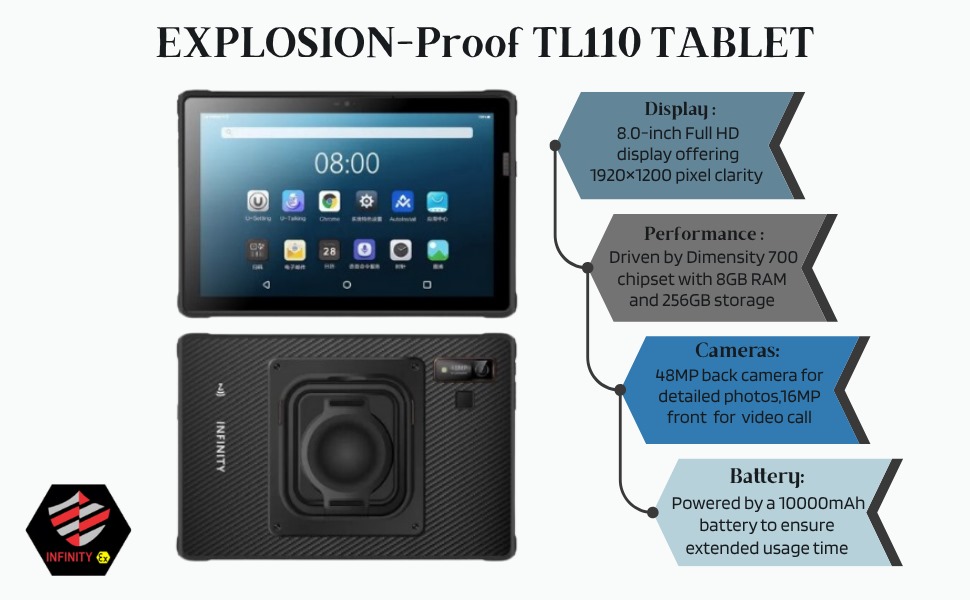
Explosion-proof tablets can safely access SCADA dashboards in hazardous areas, allowing field workers to collect and update data securely in real time.
15. What are best practices for implementing a SCADA Integration System?
Best practices include starting with pilot projects, involving end users early, ensuring network security, using mobile-compatible platforms, and providing proper staff training.
Related ATEX Products & Resources
Explore our range of ATEX-certified devices for hazardous areas: