


The Need for Safe Communication:
In dangerous workplaces like oil rigs, chemical plants, and mines, phones have always balanced usefulness with safety. For years, workers faced a hard choice – use normal electronics that might cause explosions, or use basic communication tools that slowed work. This problem started a tech revolution that changed workplace safety forever. The story from simple, bulky devices to today’s advanced, explosion-proof smartphones shows how technology solves life-saving challenges. These special phones protect workers while letting them communicate, proving that safety and technology can work together perfectly.
The Heavy Early Models: Safety First
The first explosion-proof phones were tools, not gadgets. They focused on protection over looks or features, putting basic electronics in thick metal cases that could stop explosions. The idea was simple – keep electrical parts completely separate from explosive air. These were very strong but limited devices that weighed as much as bricks and only made calls. Workers often complained about carrying these heavy devices, but they knew it was necessary for their safety.
In the 1990s, makers faced big challenges making these devices both safe and useful. Every part, from batteries to speakers, had to be redesigned to stop sparks that could light gases or dust. The batteries alone required special designs to prevent overheating. The resulting phones met safety needs but missed basics like texting that normal phones had. Workers carried these tough phones because they had to, often needing extra devices for photos or notes. This inconvenience showed the need for better solutions.
Adding Smarter Features
As phone tech improved worldwide, explosion-proof phones slowly got smarter. The early 2000s saw the first steps, like basic cameras and texting, always limited by safety needs. Engineers created clever solutions like camera zooms without electrical parts near the lens and special touchscreens that couldn’t make sparks. These improvements came slowly because each new feature needed thorough safety testing.
This time brought a key change – instead of just stopping explosions, new phones actively prevented them. New safety ideas allowed more advanced electronics by making sure no single part could ever release enough power to cause fires. Makers added these improvements while meeting different safety rules in places like Europe and North America. The phones became slightly smaller and lighter, though still bigger than regular phones. Workers started seeing real benefits, like being able to text safety alerts or take pictures of equipment issues.

Smartphones for Dangerous Areas
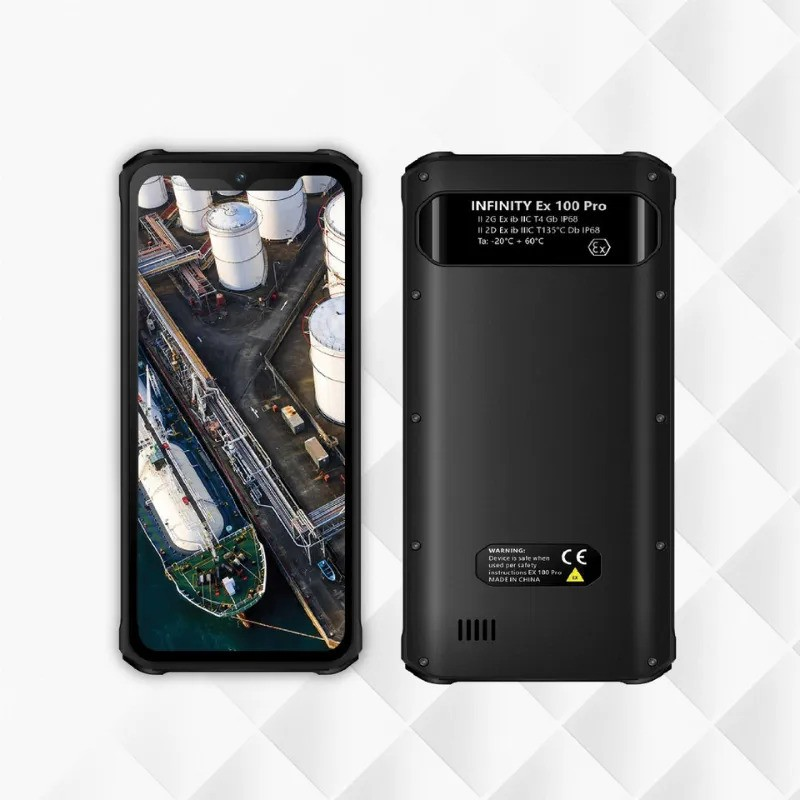
Today’s explosion-proof phones have fully changed, mixing modern smartphone tech with perfect safety. Current models run full Android or iOS systems, looking almost like normal phones. Behind this, every piece from chips to batteries gets careful redesigns to do two hard things at once – work like smartphones while being completely safe. The transformation has been remarkable, giving workers full communication tools without safety compromises.
Modern phones use many safety layers. Special batteries stop overheating, while whole circuit boards get coatings to prevent sparks. Even USB ports have smart designs that disconnect before sparking. Most amazingly, all this safety now comes in phones barely bigger than normal ones – nothing like the old heavy models. Workers can now carry one device that does everything they need safely. The price has also become more reasonable as technology has improved.
What’s Next?
Explosion-proof tech keeps improving with new ideas like 5G, augmented reality, and smart sensors. The next step goes beyond stopping explosions to improving safety with features like air quality alerts and danger warnings. Some test models already include depth sensors and heat cameras built into their safe designs. Future phones might automatically detect gas leaks or warn about unsafe areas before workers enter them.
This progress shows a bigger change in safety thinking – from just reducing risks to stopping them before they happen. Future safety phones might be complete protection hubs, always checking the work area while giving full communication power. As jobs move to tougher places like the deep ocean or space, the need for smarter, safer phones will keep growing. The technology continues evolving to meet these new challenges while keeping workers connected and protected.
FAQs
How are these different from tough phones?
Tough phones survive drops and water. Explosion-proof phones stop any electrical activity that could start fires, with special parts and approvals. They’re designed for completely different dangers.
Can they use normal apps?
Yes, current safe phones can use regular apps, though some power-heavy apps might be limited for safety. Most everyday apps work perfectly fine.
Why do they cost more?
The special part designs, strict testing, and small production numbers all add to costs that match their life-saving purpose. However, prices have dropped as technology has improved.
How long do they last?
With normal work use, most last 3-5 years, though very rough conditions may shorten this compared to normal phones. Proper care extends their life significantly.
Do different jobs need different types?
Yes, approvals vary by industry and country, with oil/gas, mining, and chemical work often needing different safety specs. Always check what certification your workplace requires.
How explosion-proof phones evolved from bulky call-only devices to smart, safe communication tools for oil rigs, mines & chemical plants. Learn about their life-saving tech.
Industrial Applications & Real-World Use Cases
In hazardous industrial environments such as oil refineries, petrochemical plants, offshore platforms, and mining operations, reliable communication is a critical safety requirement. Workers in Zone 1 and Zone 21 classified areas face constant exposure to flammable gases, vapors, and combustible dust. Any electronic device used must be intrinsically safe to prevent ignition.
Oil & Gas Operations
Field engineers on drilling rigs, well pads, and production platforms rely on ATEX certified devices for work order management, real-time communication with control rooms, digital permit-to-work systems, and photographic documentation. Our devices are deployed across ADNOC, Saudi Aramco, KOC, KNPC, ONGC, Petrobras, and Shell facilities worldwide.
Refinery & Petrochemical Safety
Process safety management requires continuous communication between operators, maintenance technicians, and HSE personnel. ATEX phones enable instant push-to-talk during turnarounds, emergency responses, and inspection rounds. Explosion-proof tablets allow viewing P&IDs and digital checklists in the field.
Offshore Platform Operations
Offshore environments present salt spray corrosion, extreme weather, and limited charging infrastructure. Our IP68-rated devices withstand these conditions while maintaining Zone 1 certification for crane coordination, emergency mustering, and helicopter manifesting.
Safety Compliance Standards
- ATEX Directive 2014/34/EU — European explosive atmospheres standard
- Ex ia IIC T4 Gb — Zone 1 intrinsic safety for gas groups
- Ex ia IIIC T135°C Db — Zone 21 dust protection
- IP68 — Dust and water protection
- MIL-STD-810H — Military-grade durability
Browse Products → | Request Quote → | Certifications →
Related ATEX Products & Resources
Explore our range of ATEX-certified devices for hazardous areas:
Selecting the Right Device for Your Operation
Choosing the correct explosion-proof device depends on your specific operational requirements, environmental conditions, and workflow needs. Here are the key factors to consider when evaluating intrinsically safe communication equipment for your facility:
For Field Operators and Technicians
Personnel performing daily rounds, equipment inspections, and maintenance tasks benefit from compact phones with long battery life and rugged construction. The EX72 Plus delivers excellent balance between size, durability, and Zone 1 certified functionality for hands-on field work.
For Engineers and Supervisors
Professionals who need to reference drawings, access CMMS systems, review data trends, and manage digital permits require larger displays and more processing power. The EX 101 Ultra and INFINITY EX 100 PRO provide the performance needed for these demanding tasks while maintaining full ATEX certification.
For Tablet-Based Workflows
Operations transitioning to digital permit-to-work, electronic logbooks, or tablet-based inspection systems need larger screen formats. The TL110 5G Tablet provides a desktop-class experience in a Zone 1 rated package, ideal for control room extensions, field engineering, and supervisor walkdowns.
Key Selection Criteria
- Zone classification of your operating environment (Zone 1 gas and/or Zone 21 dust)
- Temperature range at your facility (our devices operate from minus 20 to plus 60 degrees Celsius)
- Battery duration needed for your shift length (8, 12, or 16 hour shifts)
- Application requirements such as SAP, push-to-talk, camera quality, or GPS accuracy
- Network compatibility with your facility communications infrastructure
Contact our team for a personalized device recommendation based on your specific operational requirements.