


LED Flashlights: 4 Powerful Reasons for Bright, Durable & Energy-Saving Performance
LED Flashlights deliver bright, reliable, and energy-efficient performance while reducing power waste and maintenance issues in professional environments.
Introduction
In industrial environments where safety and reliability are top priorities, LED flashlights have become essential tools for professionals working in dark or hazardous areas. Whether it’s an oil refinery, a mining tunnel, or an offshore platform, having dependable lighting can make all the difference in preventing accidents and ensuring smooth operations.
Modern LED flashlights are more than just portable light sources — they’re designed with ATEX-certified and intrinsically safe technology that prevents ignition, making them suitable for explosive or high-risk zones. In this article, we’ll explore what makes LED flashlights essential for industrial use, how they enhance worker safety, and why ATEX-certified LED flashlights are the preferred choice for hazardous environments.
1. What Are LED Flashlights?
LED flashlights use Light Emitting Diodes (LEDs) instead of traditional bulbs to produce bright, energy-efficient light. Unlike incandescent flashlights, LEDs consume less power, generate minimal heat, and last much longer.
In industrial applications, especially in hazardous areas, LED flashlights must meet strict standards such as ATEX or UL certification to ensure they won’t ignite flammable gases or dust.
2. Why LED Flashlights Are Essential in Industrial Workplaces
2.1 High Efficiency and Longevity
LEDs are known for their energy efficiency, converting up to 90% of energy into light rather than heat. This makes LED flashlights a cost-effective and long-lasting option for industries that operate 24/7 in demanding environments.
2.2 Durability and Shock Resistance
Unlike glass bulbs, LEDs are solid-state devices that can withstand vibrations, shocks, and rough handling. This makes LED flashlights ideal for heavy-duty use in construction, mining, and oil & gas sectors.
2.3 Consistent Brightness
Even as battery levels drop, LED flashlights maintain steady brightness — an important feature for field engineers, inspectors, and safety teams who rely on consistent illumination during long shifts.
2.4 Eco-Friendly Technology
LED light are mercury-free and consume less energy, aligning with modern sustainability goals. Their long lifespan reduces waste and the need for frequent replacements.
3. ATEX-Certified LED Flashlight for Hazardous Areas
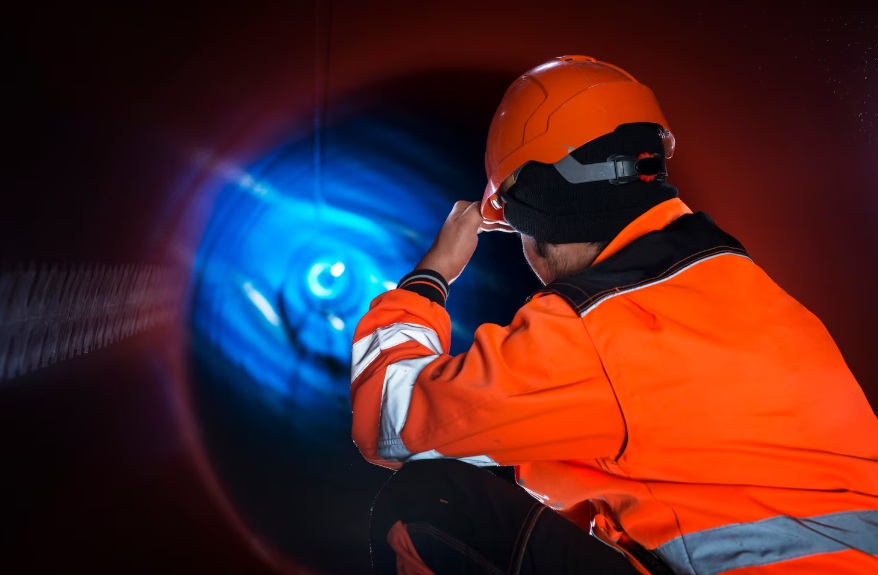
In environments where explosive gases or combustible dust are present, ordinary flashlights pose a major risk. That’s where ATEX-certified LED flashlight come in.
3.1 What Does ATEX Certification Mean?
ATEX (Atmosphères Explosibles) certification ensures that equipment can be safely used in explosive atmospheres. An ATEX-certified LED flashlight is engineered to prevent sparks, excessive heat, and ignition sources, allowing safe operation in Zones 0, 1, or 2 (for gases) and Zones 20, 21, or 22 (for dust).
3.2 Features of ATEX-Certified LED Light
-
Intrinsically safe design
-
Spark- and heat-resistant components
-
Anti-static body and lens materials
-
IP-rated waterproof and dustproof construction
-
Certified for gas and dust hazardous zones
These flashlights are tested under extreme conditions to ensure they maintain functionality without compromising safety.
4. Key Benefits of Using LED Flashlights in Hazardous Environments
4.1 Enhanced Worker Safety
LED flashlights with ATEX certification prevent ignition even in volatile conditions. Workers in oil rigs, refineries, or chemical plants can perform maintenance, inspection, and emergency tasks with confidence.
4.2 Better Visibility in Critical Operations
In confined spaces or during power outages, LED flashlights provide bright, white light that improves visibility, helping workers detect leaks, equipment issues, or safety hazards.
4.3 Reduced Maintenance Costs
Because LED flashlights last significantly longer than traditional models (often over 50,000 hours), industries save on replacements and maintenance.
4.4 Lightweight and Portable Design
Industrial LED flashlights are designed to be ergonomic and easy to carry, reducing fatigue during long shifts and improving efficiency.
5. Comparing LED Flashlights with Traditional Flashlights
| Feature | LED Flashlights | Traditional Flashlights |
|---|---|---|
| Light Source | LED diode | Incandescent bulb |
| Energy Use | Low power consumption | High energy use |
| Lifespan | 50,000+ hours | 1,000–2,000 hours |
| Brightness | Constant and adjustable | Dims over time |
| Safety | Intrinsically safe (ATEX) | Not explosion-proof |
| Durability | High shock resistance | Fragile glass bulb |
It’s clear that LED flashlights outperform traditional models in every category, especially in environments demanding safety and reliability.
6. Best Practices for Electrical Safety During Flashlight Use
Even with ATEX-certified devices, safe operation is critical. Here are key safety practices to follow during Electrical Safety Month and beyond:
-
Inspect before use – Check casing, switches, and lens for damage.
-
Use approved batteries – Avoid counterfeit or incompatible cells.
-
Keep dry and clean – Prevent dust and chemical buildup.
-
Avoid modifications – Altering design may void ATEX certification.
-
Charge safely – Use only manufacturer-approved chargers in safe zones.
By following these best practices, industries maintain compliance and ensure the reliability of their LED flashlights.

7. Industrial Applications of LED Light
7.1 Oil and Gas Industry
Used in inspection and emergency maintenance inside refineries and offshore platforms.
7.2 Mining Operations
Provide illumination in underground tunnels where explosive gases or dust are present.
7.3 Chemical Processing Plants
Help workers perform visual checks without risking sparks or ignition.
7.4 Utilities and Power Plants
Assist technicians in electrical inspections, maintenance, and cable management.
7.5 Fire and Rescue Operations
Offer dependable light in dark, smoke-filled, or confined areas during emergencies.
In all these sectors, LED flash are not just tools—they are lifesaving devices that enable safety, visibility, and productivity.
8. Choosing the Right LED Flashlight for Hazardous Areas
When selecting LED Lights for industrial use, consider the following:
-
ATEX certification – Confirms explosion-proof safety.
-
Battery Type – Rechargeable lithium-ion preferred for long runtime.
-
Beam Distance – Choose adjustable focus for close and distant illumination.
-
Ingress Protection (IP) Rating – IP67 or higher for dust and water resistance.
-
Ergonomic Design – Lightweight, anti-slip body for easy handling.
Investing in certified flashlights ensures long-term safety and compliance with international standards.
9. The Role of UL Certification in Electrical Safety
Just like ATEX certification in Europe, UL Certification is vital in North America for verifying electrical safety standards. UL-certified LED flashlight undergo rigorous testing for voltage, insulation, and heat control.
When both ATEX and UL certifications are present, you can trust the device for use in global hazardous environments.
10. Future of LED Flashlight in Industrial Safety
-
Integrated sensors for gas detection
-
Bluetooth connectivity for equipment tracking
-
Rechargeable smart docks
-
Adjustable lumen control for energy saving
With continuous innovation, LED lights will remain at the forefront of industrial lighting technology — blending safety, performance, and sustainability.
Conclusion
LED flashlights are more than simple lighting tools — they are vital safety assets for professionals working in hazardous or confined environments. Their ATEX-certified design, high efficiency, and unmatched reliability make them indispensable in industries like oil & gas, mining, and manufacturing.
By investing in LED flashlights, companies not only enhance visibility but also ensure compliance with UL and ATEX safety standards, reducing the risk of accidents and protecting their workforce.
Whether it’s for inspection, maintenance, or emergency use, LED lights continue to illuminate the path toward a safer, more efficient industrial future.
Related ATEX Products & Resources
Explore our range of ATEX-certified devices for hazardous areas:
Selecting the Right Device for Your Operation
Choosing the correct explosion-proof device depends on your specific operational requirements, environmental conditions, and workflow needs. Here are the key factors to consider when evaluating intrinsically safe communication equipment for your facility:
For Field Operators and Technicians
Personnel performing daily rounds, equipment inspections, and maintenance tasks benefit from compact phones with long battery life and rugged construction. The EX72 Plus delivers excellent balance between size, durability, and Zone 1 certified functionality for hands-on field work.
For Engineers and Supervisors
Professionals who need to reference drawings, access CMMS systems, review data trends, and manage digital permits require larger displays and more processing power. The EX 101 Ultra and INFINITY EX 100 PRO provide the performance needed for these demanding tasks while maintaining full ATEX certification.
For Tablet-Based Workflows
Operations transitioning to digital permit-to-work, electronic logbooks, or tablet-based inspection systems need larger screen formats. The TL110 5G Tablet provides a desktop-class experience in a Zone 1 rated package, ideal for control room extensions, field engineering, and supervisor walkdowns.
Key Selection Criteria
- Zone classification of your operating environment (Zone 1 gas and/or Zone 21 dust)
- Temperature range at your facility (our devices operate from minus 20 to plus 60 degrees Celsius)
- Battery duration needed for your shift length (8, 12, or 16 hour shifts)
- Application requirements such as SAP, push-to-talk, camera quality, or GPS accuracy
- Network compatibility with your facility communications infrastructure
Contact our team for a personalized device recommendation based on your specific operational requirements.