


Ensuring Safety and Compliance
Introduction
The petrochemical industry is one of the largest and most hazardous sectors in the world. From refining crude oil to producing chemicals like plastics, fertilizers, and solvents, petrochemical facilities handle materials that can easily ignite, explode, or release toxic fumes. To ensure worker safety and prevent catastrophic accidents, specialized equipment is required. Among the most critical safety technologies are ATEX devices in petrochemical plants, which are designed to operate safely in explosive atmospheres.
In this article, we will explore the importance of ATEX-certified equipment, how it works, and why ATEX devices in petrochemical plants have become the global standard for operational safety and compliance.
What Are Petrochemical Plants?
Petrochemical plants are industrial complexes where raw hydrocarbons like natural gas and crude oil are converted into essential products such as plastics, synthetic rubber, resins, solvents, and fertilizers. These plants include several processing units such as:
-
Distillation towers – Separate hydrocarbons into different fractions.
-
Cracking units – Break larger molecules into smaller, useful compounds.
-
Polymerization plants – Produce plastics and synthetic fibers.
-
Reforming units – Create aromatic hydrocarbons for chemical industries.
Because these facilities deal with flammable gases and liquids, the use of ATEX devices in petrochemical plants is vital for avoiding accidents and ensuring compliance with international safety standards.
Hazards in Petrochemical Plants
Petrochemical plants are classified as high-risk workplaces due to:
-
Explosive Atmospheres – Hydrocarbon vapors can ignite with a single spark.
-
Toxic Gas Emissions – Chemicals like benzene pose serious health risks.
-
Fire Hazards – High-pressure and high-temperature processes create ignition risks.
-
Corrosion & Mechanical Failures – Continuous operations weaken equipment.
These risks highlight why ATEX devices in petrochemical plants are mandatory, as standard equipment can become ignition sources.
What Are ATEX Devices?
ATEX (Atmosphères Explosibles) devices are designed and certified for safe use in explosive environments. They are built to eliminate sparks, overheating, and static discharge.
Examples of ATEX devices in petrochemical plants include:
-
Explosion-proof mobile phones
-
Intrinsically safe tablets
-
ATEX radios
-
Gas detectors and sensors
-
Explosion-proof lighting systems
-
Rugged handheld computers
These devices not only protect workers but also enable digital operations in hazardous zones.
Importance of ATEX Devices in Petrochemical Plants
The use of ATEX devices in petrochemical plants is critical for several reasons:
-
Safety – Prevent ignition in areas with flammable gases or vapors.
-
Compliance – Meet EU ATEX directives and ATEX international standards.
-
Efficiency – Allow digital monitoring, inspections, and maintenance in real-time.
-
Cost Saving – Avoid accidents and reduce downtime caused by unsafe equipment.
-
Worker Confidence – Staff feel safer knowing their communication and monitoring devices are explosion-proof.
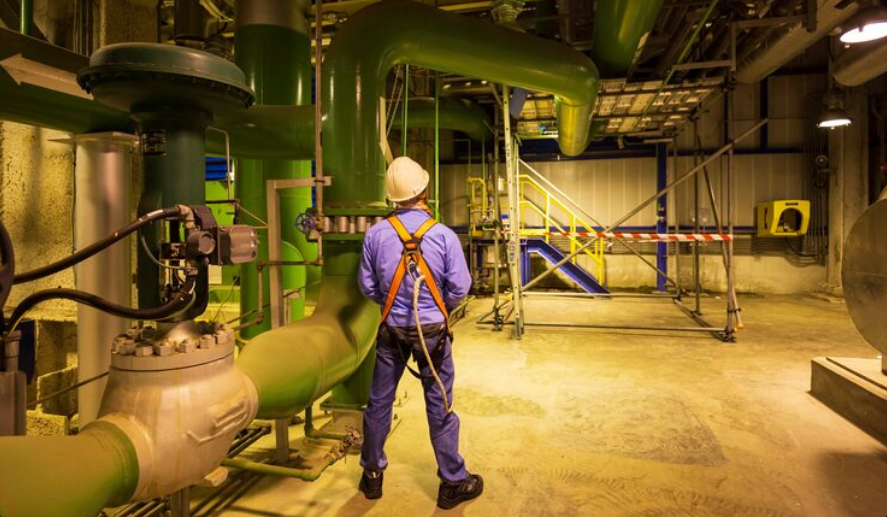
Global Standards for ATEX Devices
Two major certification systems regulate explosion-proof equipment:
-
ATEX Directives (EU) – Required for all equipment in explosive atmospheres within Europe.
-
ATEX certification (International) – Recognized worldwide for hazardous area equipment.
Petrochemical companies must ensure that all devices used in hazardous zones are compliant with either ATEX standards. This makes ATEX devices in petrochemical plants not just optional, but legally necessary.
Benefits of Using ATEX Devices in Petrochemical Plants
The integration of ATEX devices in petrochemical plants offers a wide range of benefits:
-
Accident Prevention – Eliminates risk of ignition from devices.
-
Real-Time Communication – Intrinsically safe phones and radios enable instant response.
-
Efficient Inspections – Tablets and handhelds allow engineers to collect and analyze data on-site.
-
Continuous Monitoring – Gas detectors alert workers to leaks immediately.
-
Improved Compliance – Ensures adherence to ATEX, OSHA, and ISO standards.
-
Digital Transformation – Supports IoT and Industry 4.0 adoption in hazardous zones.
Future of ATEX Devices in Petrochemical Plants
As petrochemical plants evolve, the role of ATEX devices is also growing. Future trends include:
-
Smart ATEX devices integrated with IoT for predictive maintenance.
-
Wearable ATEX technology such as smart helmets and sensors.
-
Drones with explosion-proof certification for remote inspections.
-
Sustainable designs reducing environmental impact while maintaining safety.
With the global demand for safer and more efficient operations, ATEX devices in petrochemical plants will remain central to industrial innovation.

Conclusion
ATEX devices in petrochemical plants are not just safety tools — they are vital assets for operational efficiency, compliance, and risk management. From explosion-proof phones and radios to gas detectors and intrinsically safe tablets, these devices ensure that workers remain safe while operations continue smoothly.
As regulations tighten and technology advances, the reliance on ATEX devices will continue to grow. For petrochemical companies, investing in ATEX-certified equipment is an investment in both safety and productivity.
15 FAQs About ATEX Devices in Petrochemical Plants
Q1. What are ATEX devices in petrochemical plants?
They are explosion-proof devices designed for safe use in hazardous areas with explosive atmospheres.
Q2. Why are ATEX devices mandatory in petrochemical plants?
Because petrochemical facilities deal with volatile chemicals that can easily ignite.
Q3. What types of ATEX devices are used in petrochemical plants?
Mobile phones, tablets, radios, gas detectors, and explosion-proof lighting.
Q4. What is the difference between ATEX certification?
ATEX applies in the EU, while ATEX is an international standard.
Q5. Can normal devices be used in petrochemical plants?
No, only certified ATEX devices are allowed in hazardous zones.
Q6. How do ATEX devices improve safety?
They eliminate ignition risks by preventing sparks and overheating.
Q7. Do ATEX devices also help with efficiency?
Yes, they enable digital communication, monitoring, and inspections.
Q8. Are ATEX devices required worldwide?
Yes, either ATEX certification is required depending on the region.
Q9. What industries besides petrochemicals use ATEX devices?
Mining, oil & gas, food processing, pharmaceuticals, and refineries.
Q10. How often should ATEX devices be inspected?
Regularly, as per manufacturer and regulatory requirements.
Q11. Are ATEX devices more expensive than normal devices?
Yes, but they save costs by preventing accidents and downtime.
Q12. Can ATEX devices connect to modern software systems?
Yes, many are compatible with IoT, ERP, and monitoring platforms.
Q13. What role do ATEX gas detectors play in petrochemical plants?
They provide real-time alerts for gas leaks and toxic emissions.
Q14. What is the future of ATEX devices in petrochemical plants?
Integration with IoT, AI-based monitoring, and explosion-proof drones.
Q15. Why should petrochemical companies invest in ATEX devices?
To protect workers, comply with laws, and ensure operational continuity.
Industrial Applications & Real-World Use Cases
In hazardous industrial environments such as oil refineries, petrochemical plants, offshore platforms, and mining operations, reliable communication is a critical safety requirement. Workers in Zone 1 and Zone 21 classified areas face constant exposure to flammable gases, vapors, and combustible dust. Any electronic device used must be intrinsically safe to prevent ignition.
Oil & Gas Operations
Field engineers on drilling rigs, well pads, and production platforms rely on ATEX certified devices for work order management, real-time communication with control rooms, digital permit-to-work systems, and photographic documentation. Our devices are deployed across ADNOC, Saudi Aramco, KOC, KNPC, ONGC, Petrobras, and Shell facilities worldwide.
Refinery & Petrochemical Safety
Process safety management requires continuous communication between operators, maintenance technicians, and HSE personnel. ATEX phones enable instant push-to-talk during turnarounds, emergency responses, and inspection rounds. Explosion-proof tablets allow viewing P&IDs and digital checklists in the field.
Offshore Platform Operations
Offshore environments present salt spray corrosion, extreme weather, and limited charging infrastructure. Our IP68-rated devices withstand these conditions while maintaining Zone 1 certification for crane coordination, emergency mustering, and helicopter manifesting.
Safety Compliance Standards
- ATEX Directive 2014/34/EU — European explosive atmospheres standard
- Ex ia IIC T4 Gb — Zone 1 intrinsic safety for gas groups
- Ex ia IIIC T135°C Db — Zone 21 dust protection
- IP68 — Dust and water protection
- MIL-STD-810H — Military-grade durability
Browse Products → | Request Quote → | Certifications →
Related ATEX Products & Resources
Explore our range of ATEX-certified devices for hazardous areas: