


Class I Div 1 Smartphones: 7 Powerful Choices for Hazardous Areas in 2025
Class I Div 1 Smartphones are essential for hazardous areas in 2025. Explore rugged, explosion-safe devices designed for oil & gas, mining, and industrial safety.
Introduction
Class I Div 1 Smartphones are essential for maintaining safety and productivity in hazardous industrial environments such as oil refineries, chemical plants, and mining facilities. These specialized mobile devices are engineered to meet strict safety standards, ensuring reliable performance while preventing the ignition of flammable gases or vapors.
Designed for extreme conditions, Class I Div 1 Smartphones combine advanced communication, real-time data access, and critical safety features—allowing workers to stay connected, efficient, and protected without compromising explosion safety. In this article, we’ll explore their key benefits, design principles, certification requirements, and real-world use cases to help industries choose the right rugged mobility solution.
Understanding Class I Div 1 Certification
To understand the importance of Class I Div 1 Smartphones, it’s essential to know what the classification means. The Class/Division system, primarily used in North America, defines the level of hazardous risk in a location.
-
Class I: Areas where flammable gases or vapors may be present.
-
Division 1: Environments where such substances are continuously or frequently present during normal operations.
Therefore, a Class I Div 1 environment poses a high risk of explosion. Smartphones used here must be designed to prevent sparks, excessive heat, or static discharge—any of which could ignite the atmosphere.
Explosion-Proof Design and Engineering
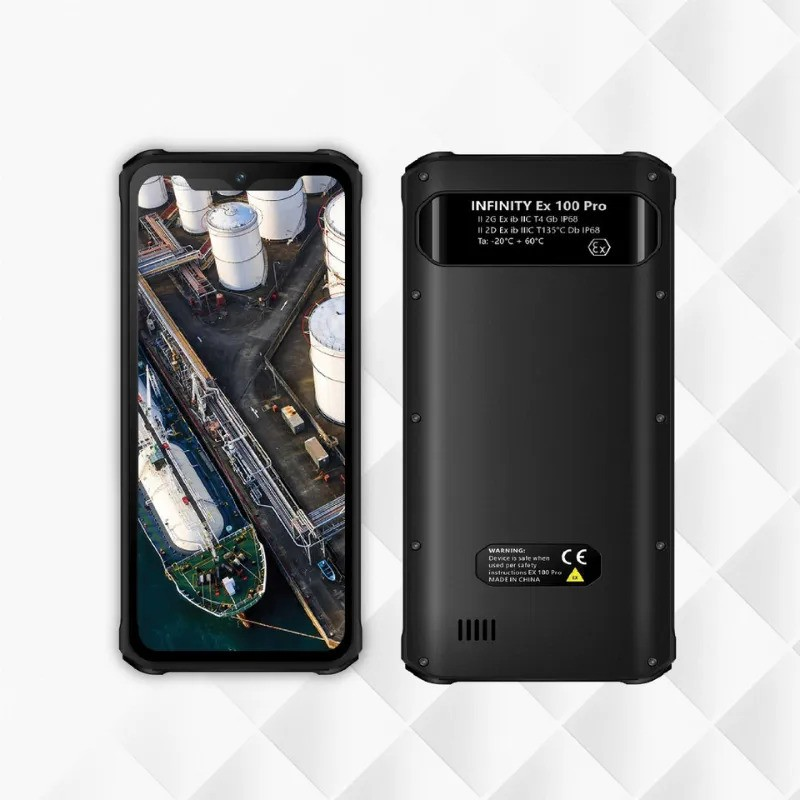
Class I Div 1 Smartphones are built with safety-first engineering. These devices differ significantly from consumer smartphones in both internal and external design aspects:
-
Encapsulation Technology:
Internal circuits are enclosed within protective materials to isolate any electrical sparks. -
Temperature Control:
Devices are engineered to operate within safe temperature limits, ensuring they don’t become an ignition source. -
Anti-Static Exterior:
The outer casing is designed with anti-static and anti-spark properties, suitable for volatile atmospheres. -
Rugged Casing:
Typically compliant with MIL-STD-810G or higher standards for shock, vibration, and impact resistance.
Key Features of Class I Div 1 Smartphones
Modern Class I Div 1 Smartphones are much more than safe communication tools—they integrate cutting-edge features for productivity and digital transformation in industrial environments.
1. Durable Construction
Made with industrial-grade materials, these devices can survive drops, extreme temperatures, and moisture.
2. High-Resolution Cameras
Some models include explosion-proof cameras for photo documentation in hazardous zones.
3. Connectivity Options
Support for 4G/5G, Wi-Fi, and Bluetooth ensures seamless connectivity in remote operations.
4. Glove-Compatible Touchscreen
Workers can use the phone while wearing gloves, essential in safety gear environments.
5. Long Battery Life
Optimized power management ensures continuous operation during long shifts.
6. Enhanced Security
Encrypted communication and MDM (Mobile Device Management) support for secure enterprise control.
Benefits of Using Class I Div 1 Smartphones
The deployment of Class I Div 1 Smartphones offers numerous operational and safety advantages:
1. Safety Assurance
The primary benefit lies in explosion protection, ensuring compliance with hazardous location standards.
2. Efficient Communication
Enables real-time voice and data transfer between teams and control rooms.
3. Digital Transformation
Supports apps for maintenance, inspection, and asset tracking, streamlining workflows.
4. Cost Savings
Minimizes equipment downtime by integrating multiple tools (camera, communication, data entry) in one device.
5. Worker Mobility
Allows safe mobility in restricted or risk-prone areas.

Global Standards and Certifications
While Class I Div 1 applies to North American regulations (NEC/CEC), many devices also meet international safety standards such as:
-
ATEX (Europe)
-
ATEX (Global)
-
INMETRO (Brazil)
-
CNEx (China)
Manufacturers often obtain multiple certifications to ensure that their Class I Div 1 Smartphones are globally accepted across different regulatory regions.
Industries Using Class I Div 1 Smartphones
These smartphones are crucial across industries dealing with explosive atmospheres:
-
Oil and Gas Refineries
-
Chemical and Petrochemical Plants
-
Mining Operations
-
Pharmaceutical Manufacturing
-
Paint and Coating Facilities
-
Power Generation Units
Each sector benefits from enhanced worker safety and efficient mobile data handling.
Top Manufacturers
Several renowned brands lead in Class I Div 1 Smartphones technology:
-
Ecom Instruments
-
i.safe MOBILE
-
BARTEC
-
Sonim Technologies
-
Aegex Technologies
These companies design smartphones meeting strict global standards while integrating smart OS platforms like Android or Windows.
How to Choose the Right Class I Div 1 Smartphone
When selecting an explosion-proof smartphone, consider the following:
-
Certifications:
Must include Class I Div 1 approval and ideally ATEX certifications. -
Durability Rating:
Look for IP68+ and MIL-STD compliance for ruggedness. -
Performance:
Check for processor power, RAM, and software support. -
Battery Life:
Choose models designed for extended field use. -
Accessories Compatibility:
Availability of docking stations, chargers, and mounting options.
Integration with Industrial IoT and SCADA Systems
Modern Class I Div 1 Smartphones play a key role in industrial IoT ecosystems. They connect seamlessly with SCADA systems, wearable sensors, and cloud platforms—enabling real-time monitoring and control.
This integration enhances predictive maintenance, reduces downtime, and ensures greater operational efficiency.
Maintenance and Safety Best Practices
Even with built-in safety measures, proper maintenance is vital
-
Regularly inspect for physical damage or cracks.
-
Avoid unauthorized repairs or opening the device.
-
Keep software updated for the latest security patches.
-
Store devices in controlled environments when not in use.
Future of Class I Div 1 Smartphones
The future is moving toward more intelligent, lightweight, and 5G-enabled designs. Integration with AI-based predictive safety systems, augmented reality (AR) for training, and cloud data analytics will redefine how industries manage hazardous operations.
The goal is clear: to enhance human safety while improving operational transparency.
Conclusion
Class I Div 1 Smartphones have revolutionized industrial mobility, allowing workers to operate safely within the most dangerous environments. With certifications ensuring explosion protection and features supporting modern digital workflows, these devices represent the next generation of industrial safety communication.
Investing in Class I Div 1 Smartphones is not just about compliance—it’s about building a smarter, safer, and more connected workforce.
Frequently Asked Questions (FAQs)
1. What does Class I Div 1 mean for smartphones?
It means the smartphone is safe for areas where flammable gases or vapors are present during normal operations.
2. Are Class I Div 1 Smartphones explosion-proof?
Yes, they are built to prevent ignition sources and meet explosion-proof standards.
3. Which industries use these smartphones?
Oil & gas, chemical, mining, and power generation industries.
4. Can I use Class I Div 1 Smartphones globally?
Yes, many models are dual-certified for global compliance.
5. Do they support 5G connectivity?
Yes, newer models support 5G for faster communication.
6. What OS do they use?
Mostly Android, though some use custom secure OS versions.
7. Are they waterproof?
Yes, typically rated IP68 or higher.
8. Can they be used with gloves?
Yes, most models feature glove-friendly touchscreens.
9. How long does the battery last?
Between 8 to 20 hours depending on usage.
10. Are there explosion-proof cameras built-in?
Some models include certified cameras for safe imaging.
11. What is the weight of a typical Class I Div 1 Smartphone?
Usually between 250–400 grams.
12. Do they have GPS functionality?
Yes, integrated GPS is standard for location tracking.
13. What is the warranty period?
Generally between 1–3 years depending on the manufacturer.
14. Can they connect to IoT systems?
Yes, they support industrial IoT and SCADA integrations.
15. Are software updates regular?
Manufacturers ensure periodic updates for safety and performance.
Industrial Applications & Real-World Use Cases
In hazardous industrial environments such as oil refineries, petrochemical plants, offshore platforms, and mining operations, reliable communication is a critical safety requirement. Workers in Zone 1 and Zone 21 classified areas face constant exposure to flammable gases, vapors, and combustible dust. Any electronic device used must be intrinsically safe to prevent ignition.
Oil & Gas Operations
Field engineers on drilling rigs, well pads, and production platforms rely on ATEX certified devices for work order management, real-time communication with control rooms, digital permit-to-work systems, and photographic documentation. Our devices are deployed across ADNOC, Saudi Aramco, KOC, KNPC, ONGC, Petrobras, and Shell facilities worldwide.
Refinery & Petrochemical Safety
Process safety management requires continuous communication between operators, maintenance technicians, and HSE personnel. ATEX phones enable instant push-to-talk during turnarounds, emergency responses, and inspection rounds. Explosion-proof tablets allow viewing P&IDs and digital checklists in the field.
Offshore Platform Operations
Offshore environments present salt spray corrosion, extreme weather, and limited charging infrastructure. Our IP68-rated devices withstand these conditions while maintaining Zone 1 certification for crane coordination, emergency mustering, and helicopter manifesting.
Safety Compliance Standards
- ATEX Directive 2014/34/EU — European explosive atmospheres standard
- Ex ia IIC T4 Gb — Zone 1 intrinsic safety for gas groups
- Ex ia IIIC T135°C Db — Zone 21 dust protection
- IP68 — Dust and water protection
- MIL-STD-810H — Military-grade durability
Browse Products → | Request Quote → | Certifications →
Related ATEX Products & Resources
Explore our range of ATEX-certified devices for hazardous areas: