


Why Does Safe Communication Matter in Mining?
Explosion-proof phones for mining are certified handsets that cannot ignite methane or coal dust, which is why ordinary phones are banned underground. Mining adds requirements most hazardous-area sites do not have: methane is the dominant risk gas, coal dust creates a secondary explosion hazard, and workers are often far from help with poor signal. The features that matter underground are therefore certification for the gas group in use, a battery that lasts a full shift, push-to-talk, and location tracking with an SOS alert. Certification must cover both the gas and the dust hazard where both are present.
Introduction
Mining has always been among the most hazardous occupations worldwide. Underground miners face serious dangers such as poor lighting, exposure to toxic gases like methane, extreme heat, and collapsing structures. In such high-risk environments, communication is not just a convenience—it’s a lifeline.
This is where explosion-proof phones in mining become essential. These specialized communication tools are designed to operate safely in environments filled with flammable gases, dust, and other ignition risks. Their robust design, advanced features, and compliance with international safety standards make them critical for underground and surface mining operations alike.
What Are Explosion-Proof Phones?
Explosion-proof phones in mining are engineered to prevent ignition in potentially explosive atmospheres. Unlike standard mobile phones, they are built with components that do not spark or overheat. These devices undergo strict certification processes to ensure they meet the safety requirements of ATEX, ATEX, or MSHA standards.
They are widely used in industries such as oil and gas, chemical manufacturing, and Explosion-proof phones in mining, where the chance of accidental explosions is high due to the presence of combustible gases and dust particles.
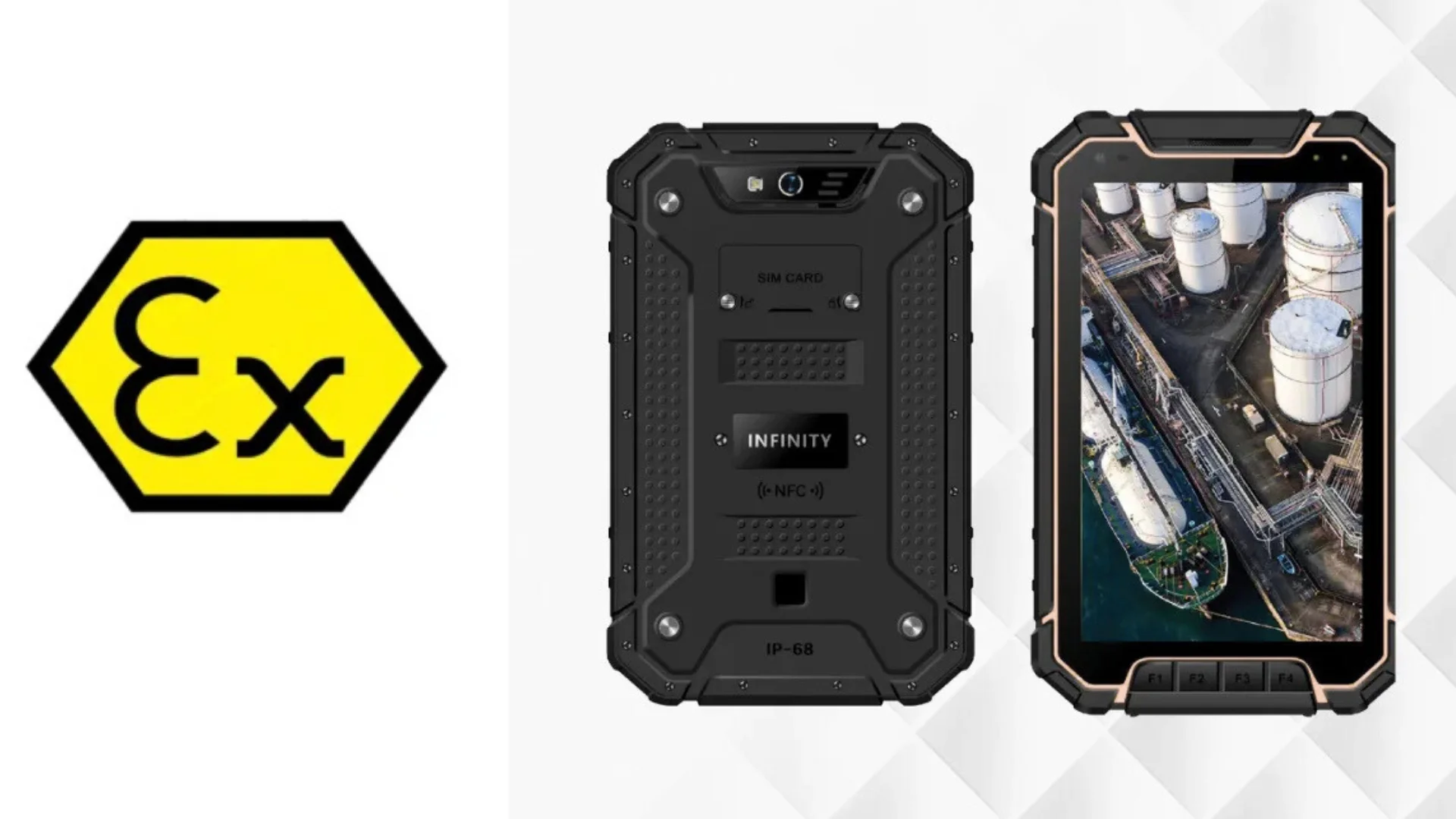
What Features Matter in a Mining Phone?
Key Factors explosion-proof phones in mining:
1. Intrinsically Safe Design
Designed to limit electrical and thermal energy to prevent ignition in explosive environments.
2. Rugged Build
Constructed with durable materials to resist shocks, drops, and vibration typical of mining conditions.
3. Dust and Water Resistance
Sealed against dirt and moisture, usually rated IP67 or higher to ensure longevity underground.
4. Long Battery Life
Built to support extended shifts where charging may not be feasible.
5. Noise-Canceling Microphones
Enables clear communication even in noisy environments with heavy machinery operating nearby.
6. Push-to-Talk (PTT) Functionality
Ideal for instant communication, especially useful during emergencies or when hands-free operation is required.

7. SOS Emergency Alert
A dedicated button to instantly notify supervisors and safety teams of an emergency.
These features make explosion-proof phones in mining more than just durable—they are purpose-built safety tools.
Why Are Explosion-Proof Phones Essential in Mining?
1. Preventing Explosions
The biggest advantage of using explosion-proof phones in mining is preventing accidents caused by sparks or heat emissions. A regular phone can easily become a hazard in the presence of gases like methane or coal dust.
2. Enabling Emergency Response
In case of gas leaks, fires, or equipment failure, workers can use these phones to alert response teams instantly. The SOS feature often bypasses normal communication routes to reach the safety command center.
3. Supporting Deep Underground Communication
Standard communication systems often fail in deep shafts or remote tunnels. Explosion-proof phones offer reliable connectivity, whether via radio, LTE, or mesh networks.
4. Compliance with Safety Regulations
Mining is a heavily regulated industry. Using certified explosion-proof devices ensures compliance with safety standards, helping companies avoid legal penalties and ensuring safe operations.
5. Improving Operational Efficiency
Quick communication between team members, supervisors, and control rooms improves coordination and reduces downtime. This boosts productivity and enhances worker morale.
6. Durability in Extreme Conditions
These phones are built to withstand drops, vibrations, high humidity, and extreme temperatures, making them ideal for both surface and underground mining.
7. Location Tracking and Monitoring
Smart explosion-proof phones offer GPS functionality, which helps track the exact location of workers in real-time—a crucial feature for emergency evacuations.
8. Integration with Safety Systems
Modern explosion-proof phones can be integrated with mine safety systems for real-time alerts on gas levels, temperature changes, or structural risks.
9. Cost-Effective Safety Investment
Though they come at a higher upfront cost, the long-term benefits—such as reduced accident rates, fewer production interruptions, and regulatory compliance—make them cost-effective safety investments.
10. Ready for the Future
Today’s models support 5G, Bluetooth, NFC, and can run safety and inspection apps. They are future-proofed to evolve with mining technology trends.
What Types of Explosion-Proof Phone Are Used in Mining?
Mining sites use three broad types: fixed wired handsets at shaft stations and along haulage routes, wireless handsets that work over an underground network, and certified smartphones that add data, forms and location tracking. Which is appropriate depends on the underground network available and on the gas and dust classification of the workings.
1. Wired Explosion-Proof Phones
-
Installed in fixed locations such as control rooms or tunnels
-
Extremely reliable in stable environments
-
Resistant to high temperatures, moisture, and corrosion
2. Wireless Explosion-Proof Phones
-
Allow mobility across different zones of the mining site
-
Operate via private LTE, radio, or Wi-Fi networks
-
Ideal for large-scale mining areas or remote underground teams
3. Smart Explosion-Proof Phones
-
Equipped with touchscreens, cameras, sensors, and app support
-
Can run mapping software, air quality monitors, and inspection tools
-
Often used by supervisors, safety inspectors, or engineers
The selection depends on the specific use-case and safety zone rating (e.g., ATEX Zone 1 or Zone 2).
How Do You Select the Right Explosion-Proof Phone?
Here are the key factors of Explosion-proof phones in mining consider when selecting a phone:
1. Certification & Compliance
Make sure the phone is certified by:
-
ATEX for EU mining environments
-
ATEX for international compliance
-
MSHA for mines in the U.S.
2. Durability Rating
Check for an IP67 or IP68 rating for dust/water protection. Also, confirm drop resistance according to MIL-STD-810G standards.
3. Battery Life
Choose phones that offer 10+ hours of usage, with power-saving and fast-charging features. This is essential for 12-hour shifts or emergency standby.
4. Ease of Use
The UI must be simple. Large buttons, glove compatibility, and voice commands improve usability in dark or stressful conditions.
5. Connectivity Options
Depending on your mining site, select devices with LTE, Wi-Fi, Bluetooth, or Push-to-Talk over Cellular (PoC) compatibility.
Where Is Mining Communication Technology Heading?
With rapid advancements in mining automation and Industry 4.0 integration, explosion-proof phones in mining will evolve significantly. Some upcoming features include:
AI-Powered Hazard Detection
Smartphones with AI can analyze sensor data to detect hazardous gas levels in real-time.
5G Connectivity
Faster, low-latency networks will enable real-time video calls, file sharing, and cloud-based safety monitoring—even underground.
Edge Computing
Phones will process safety data locally and sync only critical alerts to reduce network load and speed up response time.
Remote Device Diagnostics
Phones will self-monitor hardware and software issues, reporting problems before failure.
These trends will further increase miner safety and operational efficiency.
Frequently Asked Questions
1. What is the difference between ATEX Zone 1 and Zone 2 phones?
Zone 1 phones are rated for environments where explosive gases are likely during normal operation, while Zone 2 phones are for less frequent exposure.
2. Can explosion-proof phones be used in surface mining?
Yes. Although underground mines present more danger, surface mining also involves risks where certified phones are beneficial.
3. Are explosion-proof Explosion-proof phones in mining oftware?
Yes. Smart devices can run custom apps for mapping, inspection, air monitoring, and workflow automation.
4. How often should these phones be inspected?
Regular monthly inspections and firmware updates are recommended to ensure safety and performance.
5. Are cameras allowed on Explosion-proof phones in mining?
Some models have certified cameras that meet explosion-proof standards for use in inspection or documentation.
6. Do they support push-to-talk communication?
Yes, many models support PTT over cellular or radio frequencies, allowing fast team communication.
7. Can they connect to Wi-Fi or 5G underground?
If the mining operation has a local 5G or Wi-Fi setup, these phones can connect and operate normally.
8. How long do explosion-proof phones typically last?
With proper maintenance, they can last 3–5 years, even in harsh environments.
9. What’s the average price range?
They usually cost between $800 to $2,500, depending on features and certifications.
10. Which brands are industry recommended?
Popular brands include Ecom Instruments, i.safe MOBILE, Bartec, and Sonim.
Conclusion: A Smart Investment in Safety
In hazardous environments like mining, reliable communication can be the difference between life and death. Explosion-proof phones in mining are not just communication devices—they are safety solutions, productivity boosters, and compliance enablers.
From preventing explosions to enabling real-time tracking and emergency alerts, these phones provide critical support underground. As mining operations continue to modernize, investing in explosion-proof phones will remain a core part of industrial safety strateg
Related ATEX Products & Resources
Explore our range of ATEX-certified devices for hazardous areas: