


Explosion-Proof Products: 7 Smart Ways to Avoid Counterfeits | Infinity-Ex 2025
Explosion-Proof Products must be authentic to ensure safety in hazardous areas. Learn smart ways to identify and avoid counterfeit products in 2025.
Introduction
Explosion-proof products – including lighting fixtures, control panels, and others – are not merely an instrument. They are safety guards that prevent sparks or gas explosions within the vessel to ignite the flammable gases, vapours or dust. It might be the difference between safe shift and disaster in the industries where a single spark may cause the disaster. Fake counterparts are finding their way in the market in the last few years.
These counterfeits may appear real, as a result, they may have beautiful finishes, copied certification tags, even counterfeit documents. However, there are some other weak aspects that we do not see when we look inside: Low quality materials, weak seals or wrong assembly. Dressing such gear may cost lives, property destruction, and huge operational losses in an industry where, say it in oil and gas, chemical processing, or mining are of critical importance to the economy. This is how you can identify and prevent them before it can get to your facility.
Learn What the Real meaning of Explosion Proof
The labeling of explosion-proof products is not hype. It is an engineering norm. Real products are designed to absorb any internal explosion so that it does not burn up the ambiance.
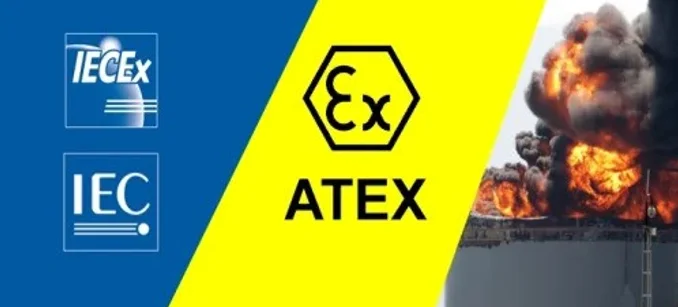
They should be tested to known standards such as ATEX (Europe), or ATEX (world) in rigorous testing on strength, sealings, and safe operation. There may be fake certificates or omission of such tests in the counterfeited equipment. Unless you know what the certification includes, you may miss when a claim is fraudulent- and it can be expensive.
Make Only Authorized Purchases
The most obvious tip is to course through the manufacturer or their direct distributors in order to avoid counterfeits. Authorized dealers are able to supply authentication, original packaging, serial numbers matching the manufacturers databases.
Beware of deep-discounted prices of vendors you do not know well. Too good to be true purchase in a safety oriented commodity industry will most often contain an issue, a counterfeit, a worn out unit, repackaged as a new unit, an altered serial number, or a variety of other issues. You are not purchasing a merchandise, you are purchasing peace of mind it should go when you need it most.
Check Certifications and Documents
All authentic explosion-proof products should have a certification tag of an internationally recognized body including UL, CSA, ATEX, or IECEx with backup documentation.
To verify:
• Go to the official database and check the number of certification.
• Make sure that the product model corresponds to the one written on the certificate device.
• Unless it is a widely known and recognized issuing body, it has to be confirmed as accredited.
Other counterfeiters take genuine certificate numbers and scrape them out again and then paste them on irrelevant items, another indicator of a fraud. A couple of minutes of checks can help avoid costly or even life-threatening error.
Audit Build Quality
A fake can be seen with the naked eye even before installing. Red flag warning signs are:
• Unsmooth machining
• Weak in the materials of casing
• Sub-standard screws or seals
• Easy to chip/flake coatings
Original equipment is faultlessly manufactured using the heavy-duty materials able to withstand severe pressure, temperature, and environment. When it is too light, loosely or cheaply made it is most probably a fake.
Request Traceability
A recognized manufacturer is able to track a product up to the source, such as:
• Batch number
• The date of manufacture
• Location of the factory
• Records for quality control
And when a supplier can not do this, or skirts the questions you ask, this is also a major red flag. Traceability in industries that are high on compliance is evidence that the product is safe.
We Have to Be Cautious of E-Marketplaces
explosion-proof products through the e-commerce mediums are risky though convenient. In case of purchasing online:
• Purchase through the authorized shop of the manufacturer or sellers.
• Review the sellers.
• Use listings that are either well-described or with good pictures or contact information.
Purchasing Explosion-proof products over the unproven internet is not only betting money; it is gambling with operation safety and compliance as well.
Teach Your Groups
The most efficient method of counterfeit prevention is when all parties involved in purchasing, maintenance and safety understand what they are looking at. Train the personnel to:
• Identify the real marks of certification
• Make an inspection of the equipment on arrival
• Report unhealthy products as soon as possible
Sensitizing departments will lower the risk of bogus explosion-proof products being put to use and consolidate a safety-first ethic.
Report Counterfeits
Should you suspect counterfeit product:
• Report to the certification body on the product.
• Report to the original manufacturer.
• Either report it to safety or regulators.
By doing so, you may save other people buying the same hazardous product and reinforce issues related to counterfeiting.
Conclusion
An investment in explosion-proof products is not like any other buy but a buy that guarantees safety, compliance and stability of operations. Mockup products diminish such safeguards and generate unexplained risk that may prove to be more costly than the selling price of the item.
Purchasing explosion-proof products through well established sources of supply, check documentation, inspect quality, require traceability, and training groups working below you will help ensure that fake products never enter your operation. There are no shortcuts in the hazardous environment; the actual price of a counterfeit is gauged in the risks which are inadmissible.
FAQs
1. What are explosion-proof products?
They are devices designed to prevent ignition in explosive or hazardous environments.
2. Why are counterfeit explosion-proof products dangerous?
They lack certified protection and can cause explosions or equipment failure.
3. How can I identify genuine explosion-proof products?
Check certification labels, serial numbers, and manufacturer documentation.
4. Which certifications should explosion-proof products have?
ATEX, and UL certifications are the most common.
5. Do counterfeit products look similar to real ones?
Yes, counterfeit items often closely mimic original designs.
6. Can counterfeit explosion-proof products pass inspections?
Usually no—detailed technical audits reveal compliance failures.
7. Why are counterfeit products cheaper?
They use low-quality materials and skip safety testing.
8. Where are counterfeit explosion-proof products commonly sold?
Unauthorized online sellers and unverified distributors.
9. How does Infinity-Ex help avoid counterfeits?
Infinity-Ex supplies verified, certified, and tested explosion-proof solutions.
10. Is documentation important when purchasing?
Yes, authentic products always include compliance certificates.
11. Can counterfeit products void insurance claims?
Yes, using uncertified equipment can invalidate insurance coverage.
12. Are explosion-proof products required by law?
Yes, in many hazardous industries regulatory compliance is mandatory.
13. What industries need explosion-proof products most?
Oil & gas, mining, chemical, energy, and manufacturing sectors.
14. How often should products be inspected?
Regular inspections are recommended as per safety regulations.
15. What is the safest way to buy explosion-proof products?
Purchase only from authorized suppliers with proven certifications.
Industrial Applications & Real-World Use Cases
In hazardous industrial environments such as oil refineries, petrochemical plants, offshore platforms, and mining operations, reliable communication is a critical safety requirement. Workers in Zone 1 and Zone 21 classified areas face constant exposure to flammable gases, vapors, and combustible dust. Any electronic device used must be intrinsically safe to prevent ignition.
Oil & Gas Operations
Field engineers on drilling rigs, well pads, and production platforms rely on ATEX certified devices for work order management, real-time communication with control rooms, digital permit-to-work systems, and photographic documentation. Our devices are deployed across ADNOC, Saudi Aramco, KOC, KNPC, ONGC, Petrobras, and Shell facilities worldwide.
Refinery & Petrochemical Safety
Process safety management requires continuous communication between operators, maintenance technicians, and HSE personnel. ATEX phones enable instant push-to-talk during turnarounds, emergency responses, and inspection rounds. Explosion-proof tablets allow viewing P&IDs and digital checklists in the field.
Offshore Platform Operations
Offshore environments present salt spray corrosion, extreme weather, and limited charging infrastructure. Our IP68-rated devices withstand these conditions while maintaining Zone 1 certification for crane coordination, emergency mustering, and helicopter manifesting.
Safety Compliance Standards
- ATEX Directive 2014/34/EU — European explosive atmospheres standard
- Ex ia IIC T4 Gb — Zone 1 intrinsic safety for gas groups
- Ex ia IIIC T135°C Db — Zone 21 dust protection
- IP68 — Dust and water protection
- MIL-STD-810H — Military-grade durability
Browse Products → | Request Quote → | Certifications →
Related ATEX Products & Resources
Explore our range of ATEX-certified devices for hazardous areas: