


Hazardous Area Mobile Phone Saudi Arabia – Complete Industrial Safety Guide
Industrial environments such as oil refineries, gas plants, chemical factories, and mining sites involve significant safety risks. In these locations, even a small spark from a regular electronic device can cause catastrophic explosions. Because of this, companies operating in dangerous environments rely on specialized communication devices designed specifically for safety compliance.
A hazardous area mobile phone Saudi Arabia solution is built to operate safely in explosive environments where gases, vapors, or combustible dust may be present. These phones are designed according to strict international safety certifications and are widely used across industries throughout the Kingdom.
Saudi Arabia has one of the world’s largest oil and gas sectors, which makes intrinsically safe mobile technology essential for worker safety, communication, and operational efficiency. This article explains everything you need to know about these specialized devices, including safety standards, benefits, features, and how to choose the right device for industrial use.
Understanding Hazardous Areas in Industrial Environments
Before discussing mobile devices, it is important to understand what a hazardous area actually is.
A hazardous area is any location where flammable gases, vapors, liquids, or combustible dust may create a risk of explosion if exposed to ignition sources such as sparks or heat.
Industries in Saudi Arabia frequently encounter these environments, including:
-
Oil refineries
-
Offshore drilling platforms
-
Petrochemical plants
-
Gas processing facilities
-
Fuel storage terminals
-
Mining operations
To prevent accidents, specialized equipment such as a hazardous area mobile phone Saudi Arabia certified device must be used instead of standard smartphones.
These phones are engineered to eliminate spark generation and reduce heat levels so they cannot ignite hazardous materials.
Why Standard Smartphones Are Dangerous in Industrial Zones
Most commercial smartphones are not designed for dangerous industrial environments. They contain batteries and electronic circuits that can produce heat or electrical sparks.
Using normal smartphones in hazardous areas can result in:
-
Explosion risks
-
Fire hazards
-
Equipment damage
-
Worker injuries
-
Regulatory violations
This is why industries rely on certified devices like a hazardous area mobile phone Saudi Arabia approved for explosive environments.
These devices undergo rigorous safety testing to ensure they operate safely even under extreme industrial conditions.
Explosion-Proof vs Intrinsically Safe Mobile Phones
Many people confuse explosion-proof devices with intrinsically safe devices. While both are designed for hazardous areas, their protection methods differ.
Intrinsically Safe Phones
These devices limit electrical and thermal energy so that sparks cannot ignite explosive gases.
Explosion-Proof Phones
These devices contain explosions within the device casing so they cannot spread to the surrounding atmosphere.
A hazardous area mobile phone Saudi Arabia solution often falls under the intrinsically safe category because it prevents ignition rather than containing explosions.
Hazardous Area Classifications Used in Saudi Arabia
Industrial environments are divided into different hazard zones depending on how often explosive substances are present.
Zone 0
Explosive gases are present continuously.
Zone 1
Explosive gases may appear during normal operations.
Zone 2
Explosive gases appear only under abnormal conditions.
Many companies choose a hazardous area mobile phone Saudi Arabia certified for Zone 1 or Zone 2 because these zones are common in oil and gas facilities.
ATEX certifications Explained
Safety certifications ensure that devices are safe for use in hazardous environments.
ATEX Certification
Used primarily in Europe and internationally recognized.
ATEX certification
Global standard for explosion-protected equipment.
Devices with these certifications are widely used across the Middle East, including Saudi Arabia.
When selecting a hazardous area mobile phone Saudi Arabia, always ensure the device meets ATEX standards to guarantee safety compliance.
Key Features of Hazardous Area Mobile Phones
Modern intrinsically safe phones are designed with advanced technology that supports both safety and productivity.
Some essential features include:
Explosion-Proof Design
Special casing prevents sparks and overheating.
Rugged Construction
Devices are resistant to dust, water, drops, and extreme temperatures.
Long Battery Life
Industrial shifts require reliable power for extended use.
Push-to-Talk Communication
Workers can communicate instantly in noisy environments.
High Visibility Screens
Displays remain visible even in bright sunlight.
These features make a hazardous area mobile phone Saudi Arabia an essential tool for industrial workers.
Industries That Use Hazardous Area Mobile Phones in Saudi Arabia
Saudi Arabia’s economy relies heavily on industries where safety-certified devices are mandatory.
Oil and Gas
Workers in drilling sites and refineries need reliable communication tools.
Petrochemical Plants
Explosion-safe devices prevent ignition in chemical processing environments.
Mining
Dust and gas risks require intrinsically safe equipment.
Energy Sector
Power plants use rugged communication devices for field operations.
For these industries, using a hazardous area mobile phone Saudi Arabia is not only recommended but often required by safety regulations.
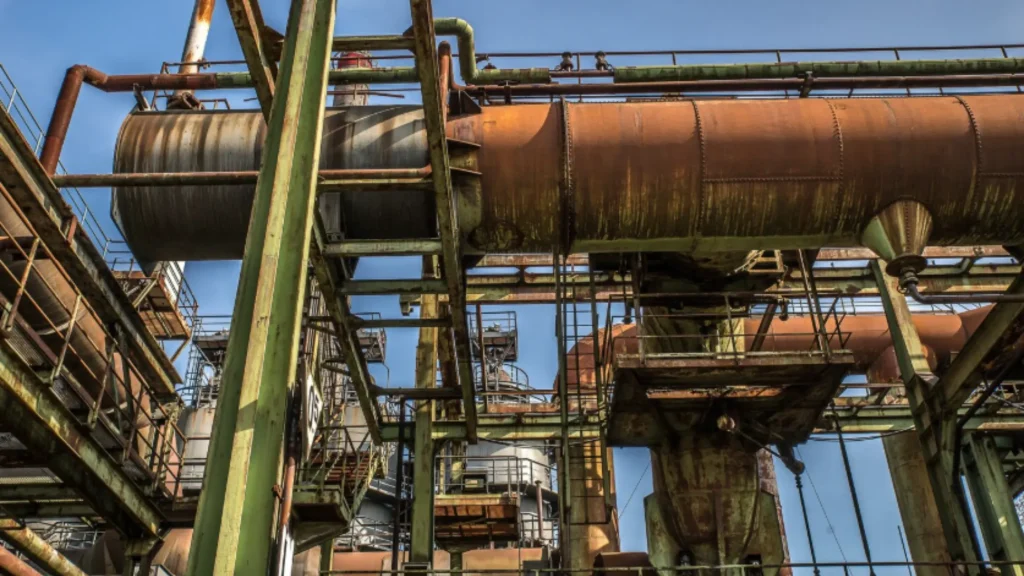
Benefits of Using Intrinsically Safe Phones
Companies investing in specialized communication devices gain several advantages.
Improved Worker Safety
Explosion risks are minimized.
Regulatory Compliance
Organizations meet international safety standards.
Better Communication
Field teams can communicate instantly.
Increased Productivity
Workers can access apps, documents, and instructions.
Reduced Downtime
Rugged devices perform reliably in extreme environments.
Because of these advantages, many companies choose a hazardous area mobile phone Saudi Arabia solution for their industrial operations.
Important Safety Standards in Saudi Arabia
Saudi Arabia follows strict safety regulations for hazardous equipment used in industrial sectors.
Common regulatory frameworks include:
-
ATEX certification
-
ATEX certification
-
Saudi Aramco engineering standards
-
International industrial safety regulations
Companies must ensure that every hazardous area mobile phone Saudi Arabia device used on site meets these standards to prevent safety violations.
Choosing the Right Hazardous Area Mobile Phone
Selecting the correct device depends on several factors.
Hazard Zone Rating
Ensure the phone matches the classification of the work environment.
Durability
Industrial environments require rugged devices.
Battery Performance
Long battery life is essential for field operations.
Communication Features
Push-to-talk, LTE connectivity, and Wi-Fi improve efficiency.
Certification Compliance
Always verify safety certifications.
Careful evaluation ensures the selected hazardous area mobile phone Saudi Arabia device meets operational and safety requirements.
Popular Brands Manufacturing Hazardous Area Phones
Several manufacturers specialize in intrinsically safe mobile devices.
Some leading companies include:
-
Ecom Instruments
-
i.safe MOBILE
-
Sonim Technologies
-
Atexxo Manufacturing
These brands design rugged industrial smartphones suitable for hazardous environments.
Organizations searching for a hazardous area mobile phone Saudi Arabia solution often choose devices from these manufacturers because of their strong safety reputation.
Future of Hazardous Area Mobile Technology
Technology continues to evolve rapidly in the industrial sector. Modern explosion-proof smartphones now support advanced digital capabilities.
Future developments may include:
-
5G industrial connectivity
-
AI-powered safety monitoring
-
Smart worker tracking
-
Augmented reality maintenance tools
-
Industrial IoT integration
As industries adopt digital transformation strategies, the demand for a hazardous area mobile phone Saudi Arabia compatible with advanced technologies will continue growing.
Conclusion
Industrial safety is a top priority in sectors such as oil, gas, petrochemicals, and mining. Standard smartphones cannot be used in these environments due to the risk of sparks and explosions.
Specialized devices designed for hazardous locations provide safe communication, advanced features, and rugged durability. With strict safety certifications and advanced protective engineering, these devices play a vital role in protecting workers and ensuring regulatory compliance.
Investing in a hazardous area mobile phone Saudi Arabia solution allows organizations to maintain safe communication while improving productivity across dangerous industrial environments.
FAQs
1. What is a hazardous area mobile phone?
A hazardous area mobile phone is a device designed to operate safely in explosive environments such as oil refineries and chemical plants.
2. Why can’t regular smartphones be used in hazardous zones?
Standard smartphones can generate sparks or heat that may ignite flammable gases or dust.
3. What certification is required for explosion-proof phones?
Most devices require ATEX certification to ensure safety compliance.
4. What industries use intrinsically safe smartphones?
Oil and gas, petrochemical plants, mining operations, and energy facilities commonly use these devices.
5. Are hazardous area phones waterproof?
Most industrial models are rugged and include high water and dust resistance ratings.
6. Do explosion-proof phones support modern apps?
Yes, many devices run Android and support industrial and communication applications.
7. What is the difference between Zone 1 and Zone 2?
Zone 1 areas frequently contain explosive gases, while Zone 2 areas encounter them only occasionally.
8. Are intrinsically safe phones expensive?
They usually cost more than regular smartphones due to specialized safety engineering.
9. Can hazardous area phones use 4G or 5G networks?
Many modern devices support 4G LTE, and newer models are beginning to support 5G.
10. How durable are intrinsically safe mobile phones?
They are built with rugged materials to withstand drops, dust, water, and extreme temperatures.
11. Do these phones support push-to-talk communication?
Yes, many models include push-to-talk features for instant communication.
12. Can these devices be used offshore?
Yes, they are commonly used on offshore oil rigs and drilling platforms.
13. Are these phones suitable for mining operations?
Yes, intrinsically safe smartphones are widely used in underground and surface mining environments.
14. Do hazardous area phones require special chargers?
Most devices use certified accessories designed for hazardous environments.
15. How long do industrial smartphone batteries last?
Battery life varies but many devices are designed to last through long industrial shifts.
Related ATEX Products & Resources
Explore our range of ATEX-certified devices for hazardous areas: