


Hazard Detection Before Incidents Occur: 4 Critical Solutions for High-Risk Industries (2025)
Hazard Detection Before Incidents Occur helps high-risk industries prevent accidents, identify threats early, and maintain safer, compliant operations in 2025.
Introduction
Industries operating in hazardous environments face constant threats from gas leaks, fires, explosions, equipment malfunctions, and toxic exposures. Traditionally, safety systems were designed to respond after accidents happened, but modern technology has shifted the focus. Today, real-time hazard detection before incidents occur is becoming a core safety strategy across oil & gas, mining, chemical, and power sectors.
By integrating ATEX-certified devices, smart sensors, IoT platforms, and AI-driven monitoring, companies can now detect risks instantly, alert workers, and implement preventive measures before a small problem escalates into a disaster. This proactive approach is saving lives, cutting costs, and ensuring compliance with strict international regulations.
What is Real-Time Hazard Detection?
Real-time hazard detection before incidents occur means continuously monitoring industrial environments using advanced technologies to identify unsafe conditions instantly. Unlike traditional manual inspections, these systems work 24/7 and provide immediate alerts for hazards such as:
-
Gas leaks or toxic vapors.
-
Overheating machinery or electrical faults.
-
Pressure build-up in pipes and tanks.
-
Abnormal vibration in critical equipment.
-
Unauthorized access to hazardous zones.
The goal is simple: detect, alert, and prevent before an incident occurs.
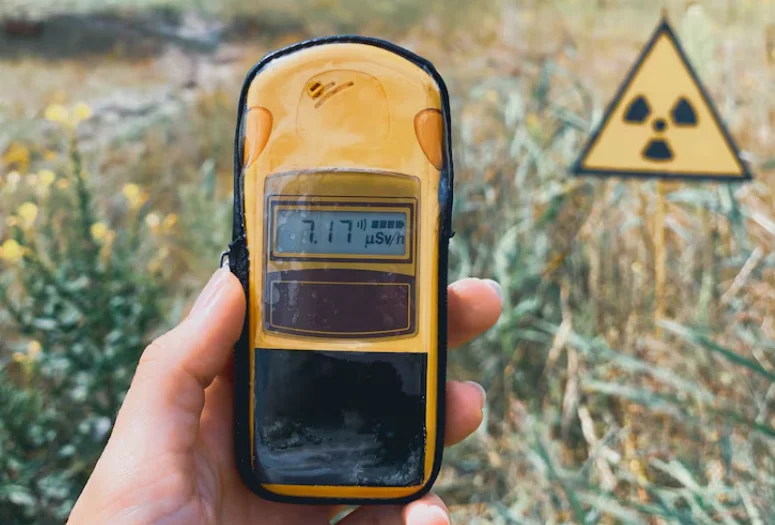
Why Real-Time Hazard Detection Before Incidents Occur is Critical
Industries are dealing with increasingly complex operations. A single failure can result in catastrophic accidents, financial losses, and even fatalities. Here’s why real-time hazard detection before incidents occur is crucial:
-
Worker Safety: Protects lives by ensuring immediate response to threats.
-
Accident Prevention: Stops hazards from escalating into disasters.
-
Compliance: Meets ATEX, and OSHA safety standards.
-
Cost Efficiency: Prevents costly downtime, equipment damage, and penalties.
-
Reputation Management: Builds trust by showing a commitment to safety.
Technologies Behind Real-Time Hazard Detection
1. Smart Sensors
Smart sensors are the backbone of real-time hazard detection before incidents occur. They continuously measure gas levels, pressure, humidity, temperature, and vibration to detect anomalies instantly.
2. ATEX-Certified Devices
Explosion-proof mobile phones and tablets with integrated sensors allow workers to receive hazard alerts directly on their devices. These ATEX devices are designed for dangerous environments where normal electronics could ignite explosions.
3. IoT (Internet of Things) Platforms
IoT networks connect sensors and ATEX devices, transmitting real-time hazard data to centralized dashboards for instant decision-making.
4. AI & Predictive Analytics
Artificial intelligence analyzes data from sensors to predict hazards before they happen, making real-time hazard detection even more accurate.
5. Cloud-Based Monitoring
Supervisors can remotely monitor multiple hazardous sites from anywhere, ensuring real-time hazard detection before incidents occur across global operations.
Applications of Real-Time Hazard Detection Before Incidents Occur
Oil & Gas Industry
In oil rigs and refineries, real-time hazard detection is used to monitor gas leaks, flammable vapors, and pressure changes in pipelines.
Mining Industry
Underground mines use ATEX phones and smart sensors for real-time monitoring of toxic gases and ventilation levels.
Chemical Manufacturing
Hazardous chemical reactions, solvent storage, and resin production require real-time hazard detection before incidents occur to avoid chain-reaction accidents.
Power Generation
Gas-fired power plants and battery facilities use hazard detection systems to prevent overheating, fire, and electrical explosions.
Transportation & Logistics
Hazardous material transportation relies on real-time hazard detection before incidents occur to monitor leaks, container pressure, and cargo safety.
Benefits of Real-Time Hazard Detection Before Incidents Occur
-
Prevention of Explosions and Fires – Detects leaks or overheating early.
-
Worker Protection – Alerts workers instantly via ATEX phones and tablets.
-
Cost Savings – Reduces downtime and equipment repair costs.
-
Regulatory Compliance – Helps meet ATEX, and OSHA guidelines.
-
Improved Productivity – Workers operate with confidence in safer environments.
-
Predictive Maintenance – Identifies early signs of equipment failure.
Future of Real-Time Hazard Detection
The future of real-time hazard detection before incidents occur lies in full digital integration. AI, machine learning, and digital twins will make hazard prediction faster and more accurate. Wearables, drones, and robotic monitoring will further reduce worker exposure to dangerous environments.
Conclusion
Real-time hazard detection before incidents occur is not just a safety measure—it is a business-critical investment. With ATEX-certified devices, IoT sensors, and AI-driven systems, industries can predict and prevent accidents before they happen. This approach saves lives, reduces costs, and ensures smooth operations in the world’s most hazardous environments.
Companies that embrace this technology will lead the way in safety, efficiency, and compliance, making real-time hazard detection before incidents occur the future of industrial risk management.
FAQs: Real-Time Hazard Detection Before Incidents Occur
1. What does “Real-time hazard detection before incidents occur” mean?
Real-time hazard detection before incidents occur refers to continuously monitoring industrial environments using smart sensors and ATEX devices to identify potential risks instantly, allowing preventive action before accidents happen.
2. Why is real-time hazard detection important in hazardous industries?
Industries like oil & gas, mining, and chemicals deal with explosive gases, toxic vapors, and fire risks. Real-time hazard detection before incidents occur helps prevent disasters, saves lives, and keeps operations compliant with international safety standards.
3. Which technologies enable real-time hazard detection?
Technologies such as smart sensors, IoT platforms, ATEX-certified phones and tablets, AI analytics, and cloud-based dashboards make real-time hazard detection before incidents occur possible.
4. How does real-time hazard detection improve worker safety?
By sending instant alerts of gas leaks, equipment overheating, or abnormal pressure, hazard detection before incidents occur ensures workers are immediately warned and can evacuate or respond safely.
5. Can real-time hazard detection reduce costs for companies?
Yes. Real-time hazard detection before incidents occur prevents equipment failures, reduces downtime, and avoids penalties for non-compliance—helping companies save significant operational costs.
6. Is real-time hazard detection linked with predictive maintenance?
Absolutely. With vibration and temperature sensors, hazard detection before incidents occur helps identify signs of machine wear and allows maintenance before breakdowns happen.
7. Which industries benefit the most from real-time hazard detection?
Oil & gas refineries, mining operations, chemical plants, battery manufacturing, and power generation facilities gain the most from real-time hazard detection before incidents occur due to their high-risk environments.
8. Can ATEX-certified phones and tablets support real-time hazard detection?
Yes. ATEX-certified devices with integrated sensors and IoT connectivity are designed for explosive zones, making them essential for hazard detection before incidents occur in hazardous areas.
9. How does AI enhance real-time hazard detection?
AI analyzes data collected from sensors and predicts risks. With AI-powered monitoring, real-time hazard detection before incidents occur becomes more accurate, allowing early warnings and automated responses.
10. What is the future of real-time hazard detection before incidents occur?
The future includes AI-driven analytics, wearable devices, robotics, and digital twins. These innovations will make hazard detection before incidents occur more precise and proactive, further reducing industrial risks.
Industrial Applications & Real-World Use Cases
In hazardous industrial environments such as oil refineries, petrochemical plants, offshore platforms, and mining operations, reliable communication is a critical safety requirement. Workers in Zone 1 and Zone 21 classified areas face constant exposure to flammable gases, vapors, and combustible dust. Any electronic device used must be intrinsically safe to prevent ignition.
Oil & Gas Operations
Field engineers on drilling rigs, well pads, and production platforms rely on ATEX certified devices for work order management, real-time communication with control rooms, digital permit-to-work systems, and photographic documentation. Our devices are deployed across ADNOC, Saudi Aramco, KOC, KNPC, ONGC, Petrobras, and Shell facilities worldwide.
Refinery & Petrochemical Safety
Process safety management requires continuous communication between operators, maintenance technicians, and HSE personnel. ATEX phones enable instant push-to-talk during turnarounds, emergency responses, and inspection rounds. Explosion-proof tablets allow viewing P&IDs and digital checklists in the field.
Offshore Platform Operations
Offshore environments present salt spray corrosion, extreme weather, and limited charging infrastructure. Our IP68-rated devices withstand these conditions while maintaining Zone 1 certification for crane coordination, emergency mustering, and helicopter manifesting.
Safety Compliance Standards
- ATEX Directive 2014/34/EU — European explosive atmospheres standard
- Ex ia IIC T4 Gb — Zone 1 intrinsic safety for gas groups
- Ex ia IIIC T135°C Db — Zone 21 dust protection
- IP68 — Dust and water protection
- MIL-STD-810H — Military-grade durability
Browse Products → | Request Quote → | Certifications →
Related ATEX Products & Resources
Explore our range of ATEX-certified devices for hazardous areas: