


Industries Using ATEX Phones in Saudi Arabia – Complete Industrial Safety Guide
Saudi Arabia is one of the world’s largest industrial economies, particularly in the oil, gas, petrochemical, and energy sectors. Many workplaces in these industries contain flammable gases, vapors, and combustible dust, which can create serious explosion risks if proper safety equipment is not used.
This is why industries using ATEX phones in Saudi Arabia rely on specialized communication devices that are designed for hazardous environments. ATEX-certified phones are engineered to prevent sparks, overheating, and electrical discharge that could ignite explosive atmospheres.
These rugged smartphones allow workers to communicate safely while operating in high-risk industrial zones. As industrial safety regulations become stricter, more organizations are adopting ATEX-certified communication devices to protect workers and comply with international safety standards.
This comprehensive guide explains the major industries using ATEX phones in Saudi Arabia, why they are essential, and how they improve safety and productivity across dangerous work environments.
What Are ATEX Phones?
ATEX phones are mobile devices specifically designed to operate safely in hazardous environments where explosive gases, vapors, or dust may be present.
The term ATEX comes from the European directive Atmosphères Explosibles, which regulates equipment used in explosive environments.
Devices used in industries using ATEX phones in Saudi Arabia are designed with safety features such as:
-
Spark-proof electronics
-
Controlled surface temperatures
-
Explosion-resistant housing
-
Certified industrial batteries
-
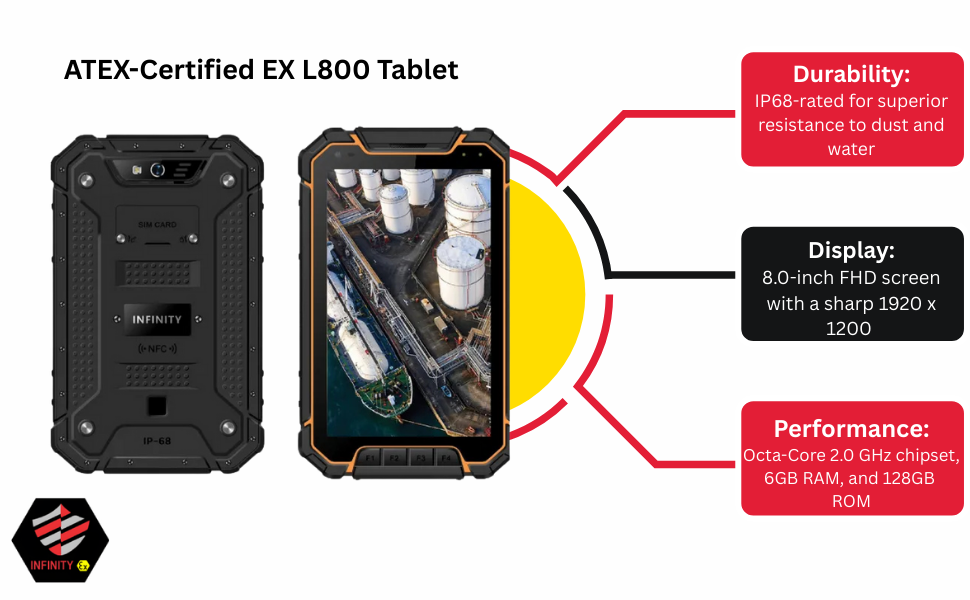
Rugged protective casing
These design features ensure that the device cannot ignite flammable materials present in industrial zones.
Why Hazardous Industries Require ATEX Phones
Industrial workplaces often contain dangerous substances that can easily ignite if exposed to sparks or heat.
Regular smartphones are not designed for these environments, making them unsafe for hazardous locations.
For this reason, industries using ATEX phones in Saudi Arabia rely on specially certified devices that comply with strict safety regulations.
Using ATEX-certified phones provides several benefits:
-
Prevents explosions caused by electronic sparks
-
Ensures worker safety in hazardous zones
-
Maintains compliance with safety regulations
-
Enables reliable communication across industrial facilities
These devices have become essential tools in industries where safety is a top priority.
Oil and Gas Industry
The oil and gas sector is the largest industry in Saudi Arabia and one of the most hazardous work environments.
Workers operate around flammable gases, drilling fluids, and high-pressure equipment, making explosion risks extremely high.
Because of these dangers, the oil and gas sector is one of the most prominent industries using ATEX phones in Saudi Arabia.
ATEX smartphones allow workers to:
-
Communicate safely on drilling rigs
-
Coordinate refinery operations
-
Monitor pipelines and storage facilities
-
Access digital maintenance systems
Reliable communication is critical in these environments, and ATEX phones provide a safe solution for industrial workers.
Petrochemical Industry
Saudi Arabia hosts some of the largest petrochemical production facilities in the world.
These plants process chemicals that can release highly flammable vapors during manufacturing.
To maintain safety, petrochemical plants are among the key industries using ATEX phones in Saudi Arabia.
Workers use ATEX-certified devices to:
-
Coordinate chemical processing operations
-
Perform equipment inspections
-
Report safety incidents
-
Communicate during emergency situations
Without these certified devices, workers would not be able to safely use mobile technology inside hazardous processing areas.
Mining Industry
Mining operations often take place in underground environments where combustible dust and gases can accumulate.
These conditions create a high risk of explosions, especially in enclosed spaces.
For this reason, mining companies are also among the important industries using ATEX phones in Saudi Arabia.
ATEX mobile phones help mining workers:
-
Communicate with surface teams
-
Monitor underground operations
-
Access safety procedures and digital maps
-
Report hazards in real time
The rugged design of ATEX devices also allows them to withstand harsh underground conditions.
Energy and Power Generation
Power plants often store and process fuels such as natural gas, diesel, and other combustible materials.
This makes power generation facilities another example of industries using ATEX phones in Saudi Arabia.
Workers in energy facilities use these devices to:
-
Monitor electrical systems
-
Coordinate maintenance operations
-
Communicate across large industrial sites
Respond to technical issues quickly
Safe communication is essential in power plants where safety incidents can have serious consequences.
Chemical Manufacturing
Chemical manufacturing plants regularly handle hazardous materials that can create explosive atmospheres.
These facilities require strict safety standards to prevent accidents.
As a result, chemical production facilities are also among the major industries using ATEX phones in Saudi Arabia.
ATEX-certified devices allow employees to safely:
-
Track chemical processing systems
-
Conduct plant inspections
-
Coordinate logistics operations
-
Maintain communication during emergencies
These devices help ensure both worker safety and operational efficiency.
Fuel Storage and Distribution
Fuel storage terminals contain large quantities of gasoline, diesel, and aviation fuel.
Because these substances are highly flammable, communication devices used in these locations must be carefully designed.
Fuel storage facilities are therefore among the critical industries using ATEX phones in Saudi Arabia.
Workers in these environments rely on ATEX phones for:
-
Tank inspections
-
Safety monitoring
-
Logistics coordination
-
Emergency communication
Using standard smartphones in these facilities would pose a serious safety risk.
Benefits of ATEX Phones for Industrial Workers
Organizations that invest in ATEX-certified communication technology gain several advantages.
Companies operating in industries using ATEX phones in Saudi Arabia benefit from:
Improved Safety
Certified devices reduce explosion risks in hazardous zones.
Reliable Communication
Workers can stay connected even in large industrial facilities.
Increased Productivity
Employees can access digital tools and industrial applications.
Regulatory Compliance
Organizations meet international safety standards.
Rugged Durability
ATEX devices are designed to withstand harsh industrial environments.
These advantages make ATEX phones a critical investment for hazardous industries.
ATEX Certification and Safety Standards
Safety certification is essential for devices used in explosive environments.
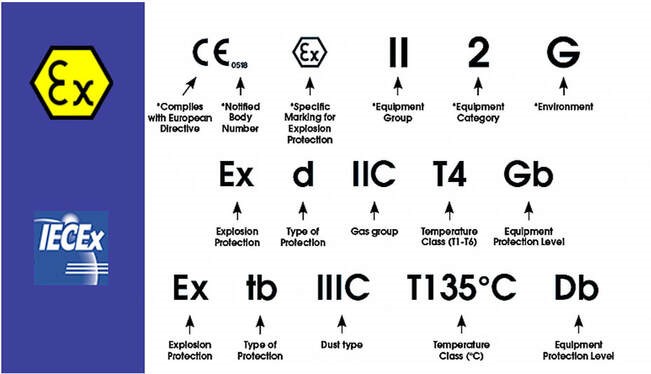
ATEX certification confirms that a device meets strict European safety regulations for hazardous locations.
Most devices used in industries using ATEX phones in Saudi Arabia also comply with international standards such as:
-
ATEX certification
-
Intrinsically Safe design standards
-
Industrial protection ratings
These certifications ensure that the devices are safe to use in explosive atmospheres.
Key Features of ATEX Smartphones
Modern ATEX smartphones combine safety engineering with advanced technology.
Common features include:
-
Explosion-proof housing
-
Long battery life
-
High-brightness displays
-
Push-to-talk communication
-
Dust and water resistance
-
Industrial-grade durability
These features allow workers in industries using ATEX phones in Saudi Arabia to safely perform their daily tasks while staying connected.
Future of Industrial Communication Technology
Industrial workplaces are rapidly adopting digital technologies to improve efficiency and safety.
New innovations in ATEX-certified devices include:
-
5G connectivity
-
Industrial IoT integration
-
Remote maintenance tools
-
Augmented reality support
-
Smart worker safety monitoring
As technology evolves, the demand within industries using ATEX phones in Saudi Arabia will continue to grow.
These devices will play an important role in modernizing industrial operations while maintaining strict safety standards.
Conclusion
Saudi Arabia’s industrial sectors operate in environments where safety is absolutely critical. Explosive gases, vapors, and combustible dust create significant risks that require specialized equipment.
ATEX-certified smartphones provide a safe communication solution for hazardous workplaces. These devices allow workers to stay connected while minimizing the risk of sparks or explosions.
From oil refineries and petrochemical plants to mining operations and power facilities, many industries using ATEX phones in Saudi Arabia rely on these devices to maintain safety and operational efficiency.
As industrial technology continues to advance, ATEX phones will remain essential tools for protecting workers and ensuring compliance with safety regulations.
FAQs
1. What are ATEX phones?
ATEX phones are mobile devices designed to operate safely in hazardous environments containing explosive gases or dust.
2. Why are ATEX phones important in industrial environments?
They prevent sparks or overheating that could ignite flammable materials.
3. Which industries use ATEX phones in Saudi Arabia?
Oil and gas, petrochemical plants, mining, chemical manufacturing, and energy sectors commonly use them.
4. Can regular smartphones be used in hazardous areas?
No, regular smartphones can produce sparks and are unsafe for explosive environments.
5. What does ATEX certification mean?
It confirms that equipment meets European safety standards for explosive atmospheres.
6. Are ATEX phones waterproof?
Most ATEX devices are rugged and include high water and dust resistance ratings.
7. Do ATEX phones support modern apps?
Yes, many run Android and support industrial applications.
8. Are ATEX smartphones expensive?
They usually cost more than regular smartphones because of specialized safety engineering.
9. Can ATEX phones work in extreme temperatures?
Yes, they are designed for harsh industrial environments.
10. Do ATEX phones support push-to-talk communication?
Yes, many models include push-to-talk features for instant communication.
11. Are ATEX phones used offshore?
Yes, offshore oil platforms commonly use ATEX-certified communication devices.
12. Do these phones require special chargers?
Yes, certified accessories are often required to maintain safety standards.
13. How durable are ATEX smartphones?
They are built to withstand drops, dust, water, and industrial environments.
14. Can ATEX phones connect to Wi-Fi and LTE networks?
Yes, most modern models support both connectivity options.
15. Are ATEX phones mandatory in hazardous workplaces?
In many industrial zones, certified devices are required to comply with safety regulations.
Explore ATEX Products & Resources
Related ATEX Products & Resources
Explore our range of ATEX-certified devices for hazardous areas: